

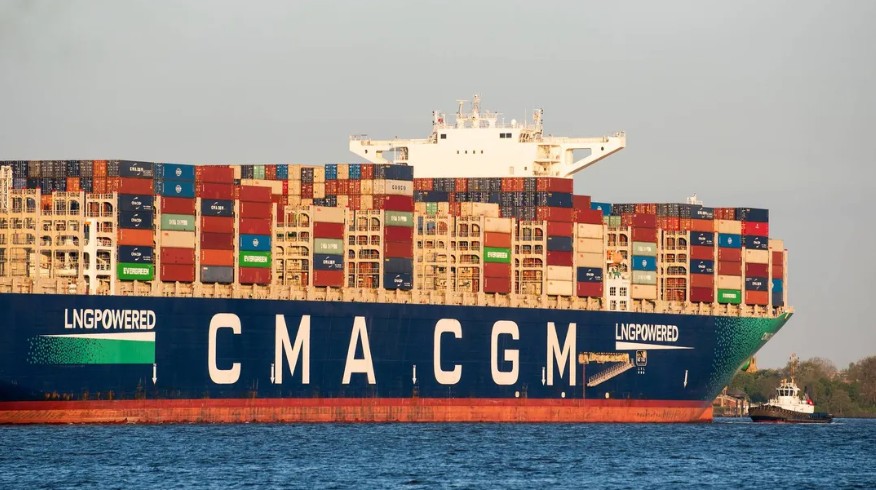
In recent years, interest in environmentally friendly fuel alternatives has been growing in the maritime sector. In this context, according to DNV data, ship orders powered by liquefied natural gas (LNG) demonstrate a distinct advantage over other alternative fuels. DNV's report reveals that nearly all new alternative fuel ship orders fall within the LNG category.
LNG is regarded as a cleaner option among fossil fuels and has the potential to reduce carbon emissions. For this reason, the maritime industry aims to reduce its environmental impact by transitioning to LNG. However, LNG also has environmental drawbacks such as methane leakage, and this situation is criticized by some environmental organizations.
Among other alternative fuels are options such as ammonia, methanol, and hydrogen. These fuels stand out in projects targeting zero carbon emissions. However, technological and economic challenges related to the use of these fuels are greater compared to LNG. In particular, the storage and transportation of fuels such as ammonia and hydrogen are not compatible with existing infrastructure, and this situation makes the adoption of these fuels difficult.
DNV's data clearly demonstrates the maritime sector's preference for LNG. This situation shows that the sector views LNG as the most suitable alternative fuel in the short term. However, in the long term, other alternative fuels must also be developed and adopted to achieve zero carbon emission targets.
In conclusion, the vast majority of alternative fuel ship orders in the maritime sector are focused on LNG. This trend reflects the sector's efforts to fulfill its environmental responsibilities. However, for true sustainability, other alternative fuels such as ammonia, methanol, and hydrogen must also be considered, and investments in this area must be increased.
Key Points:
According to DNV data, nearly all new alternative fuel ship orders fall within the LNG category.
LNG is regarded as a cleaner option among fossil fuels and has the potential to reduce carbon emissions.
Among other alternative fuels are ammonia, methanol, and hydrogen; however, there are technological and economic challenges related to the use of these fuels.
The maritime sector views LNG as the most suitable alternative fuel in the short term; however, in the long term, other alternative fuels must also be developed and adopted to achieve zero carbon emission targets.

