

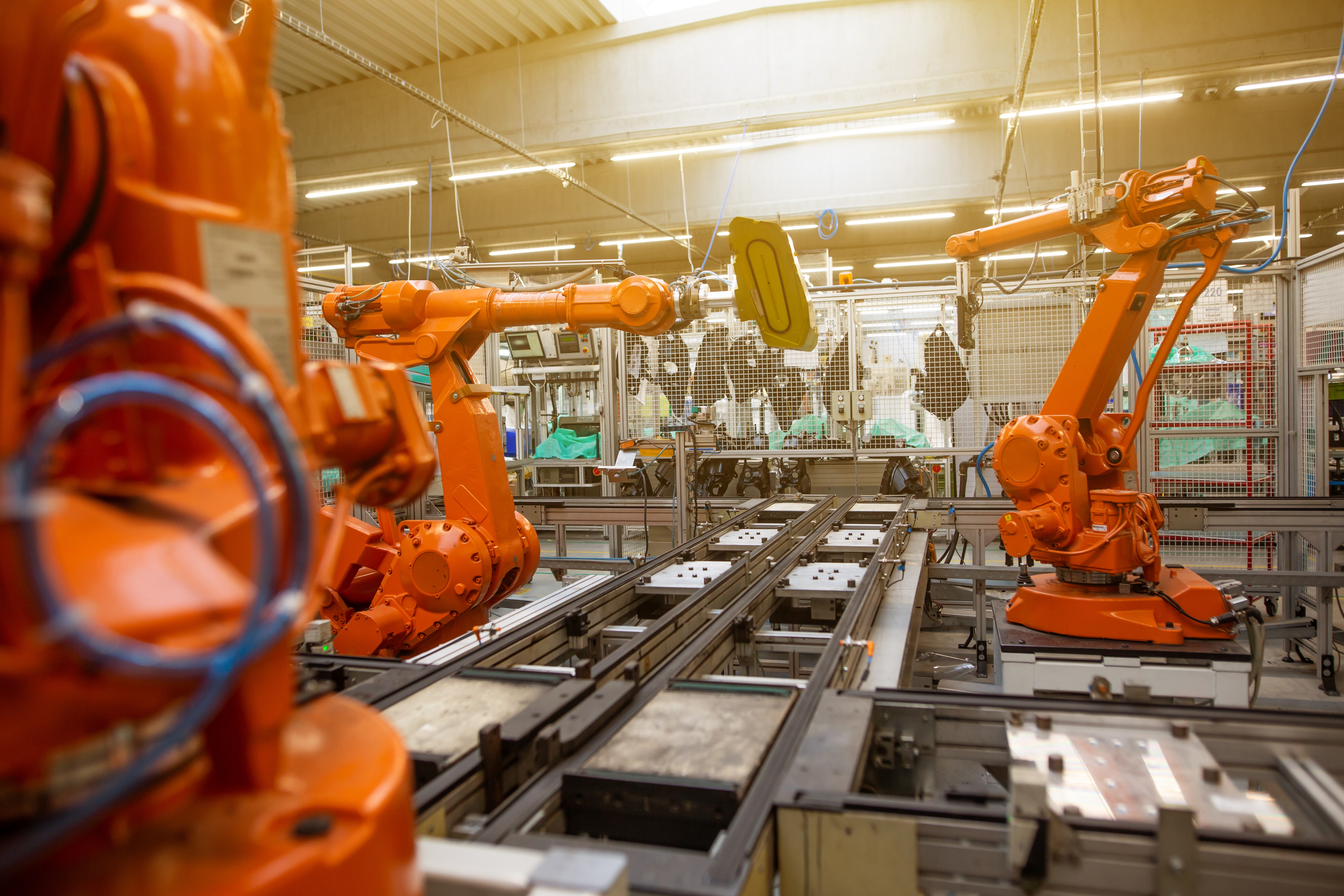
Warehouse robotics investments are accelerating worldwide. While 51,000+ AMRs were deployed in 2023, that number is expected to reach 180,000 by 2030. AMRs deliver significant benefits in labor-constrained operations; however, simply "adding more robots" often means diminishing returns, high capital expenditure (capex), and complex workflows.
Zebra is introducing a solution that unites robotic and human workforce through a single orchestration layer using modern cloud + edge architecture, making it possible to achieve the same throughput with just one-third fewer robots. Here are five essential strategies for extracting maximum efficiency from every AMR:
1. Asset Utilization: Reduce Dwell Time, Unlock Capacity
Many warehouses operate larger AMR fleets than necessary. The reasons:
Robots waiting in queue during induction,
AMRs parked in corridors waiting for an operator,
Idle robots due to order flow fluctuations during takeoff.
Robot orchestration optimizes AMR movements and tasks in real time.
Edge devices provide instant coordination.
The cloud layer continuously analyzes performance data.
Task assignments are automatically updated.
Result: dwell time decreases, facility throughput increases, and the true potential of AMRs is realized.
2. Higher Cubic Capacity: 30% Fewer Robots with Right Cart Design
Most AMRs make more trips than necessary because of limited volume on integrated transport platforms.
Zebra's approach:
High-capacity rolling carts,
Detachable and low-cost carrier carts,
Cart buffering (staging areas with full loads ready).
This enables:
A single robot to handle 3 times more volume,
AMR count to be reduced by 30%,
Reduced robot idle time and continuous workflow.
3. Optimize Pick Tours: Smart Orchestration, Not "Swarm"
In swarm models, robots fill the pick area; workers waste time searching for the next AMR.
Zebra's orchestration engine:
Increases pick density,
Optimizes robot-picker pairing,
Minimizes pick routes,
Directs AMRs in leapfrog sequence, staying one step ahead of the picker.
This creates continuous workflow:
Pickers never wait,
AMRs remain productive,
More items collected in less time.
4. Directed Workflows: End-to-End Flow with Wearable Technology
Many automation solutions focus solely on robots. Zebra integrates robot-human interaction.
Wearable devices:
Direct correct product-order matching during induction,
Provide real-time task and routing information to pickers,
Free both hands via ring scanner,
Display the correct staging area at takeoff.
Because each step is directed, error rates drop, worker satisfaction rises, and physical strain decreases.
5. Real-Time Visibility: Real-Time Management with 1,000 Data Points
Wearables don't just direct workers—they provide management with instant visibility:
Picker performance
Customer-order cycle time analysis
Identification of slotting requirements
Identification of profitable and unprofitable business models
Zebra's advanced telemetry system processes 500–1,000 data points per order, identifying anomalies, bottlenecks, and opportunities.
Result: 3PLs and warehouse managers can optimize resources on a minute-by-minute basis.
Zebra Technologies: Integrated Orchestration with AMR + Edge + Cloud
Zebra Symmetry Fulfillment:
AMRs + edge devices + cloud analytics
Synchronization of human-robot workflows on a single platform
Reducing dwell time to increase throughput
Optimizing robot investments
Integration with existing WMS/ERP infrastructure
Zebra also provides:
Barcode & RFID solutions
Mobile computers and rugged tablets
Wearables
Real-time location systems
AI-powered workflow analytics
supporting 80% of Fortune 500 supply chain operations.
Key Takeaways:
Orchestration, rather than increasing AMR count, delivers higher ROI.
Cart buffering and high-volume carts reduce robot requirements by 30%.
Leapfrog robot routing shortens pick paths and increases throughput.
Wearables direct the entire end-to-end flow; reducing errors and fatigue.
Advanced telemetry gives management real-time decision-making power.
Zebra Symmetry Fulfillment manages robot-human interaction on a single platform.
Author: SedatOnat.com
We would be delighted to receive your feedback.
Wishing you happy reading.

