

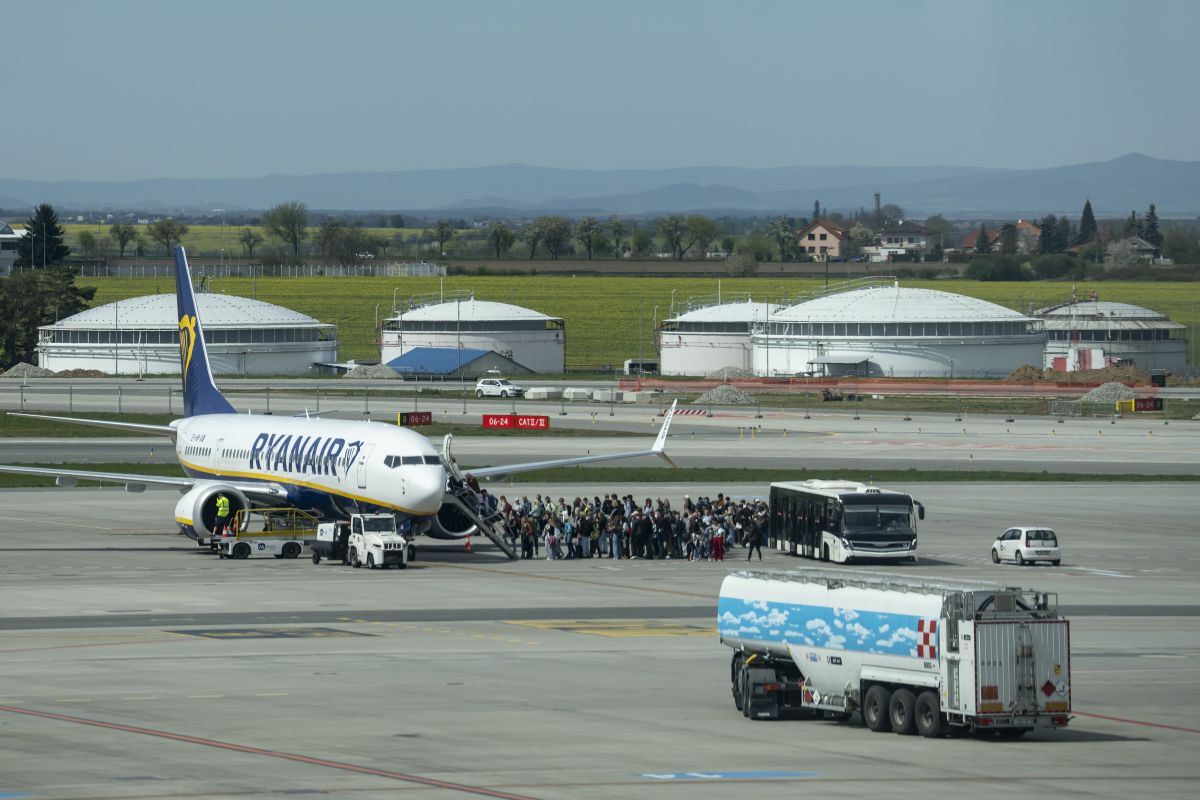
According to SupplyChainBrain, reporting on a document seen by Bloomberg, the European Commission will clarify on 8 May 2026 that there are no regulatory obstacles to European airlines using U.S.-standard Jet A fuel. The clarification follows a formal request last month from Airlines 4 Europe — the trade association representing Deutsche Lufthansa, Air France-KLM and British Airways owner IAG — explicitly aimed at broadening the supply pool in response to fuel pressure from the effective closure of the Strait of Hormuz. The European norm is Jet A-1; Jet A is predominantly available in the United States. The critical technical difference is the freezing point — Jet A-1: -47 °C or below, Jet A: -40 °C — making Jet A-1 more suitable for long international flights and polar winter routes, although most large aircraft are certified to operate on both.
In the same regulatory bulletin, the EU will issue two further clarifications: first, that carriers will not be penalised for unused slots when issues such as war-driven fuel shortages make slot use impossible; second, that airlines cannot retroactively raise prices on tickets that have already been sold — a reminder that effectively forces tighter cost management. The closure of Hormuz has placed hundreds of millions of barrels of oil and fuel under blockade in the global market; concerns in Europe have focused in particular on jet fuel, and the Commission's clarification could encourage additional U.S. shipments into the region. The European Union Aviation Safety Agency EASA issued a bulletin on the safe use of Jet A reminding operators to take account of the differences in properties between the two fuels — particularly the freezing point.
The quantitative framing matters: consultancy Energy Aspects estimates that if Hormuz stays largely shut, Europe's jet-fuel stocks (including kerosene) will deplete at roughly 230,000 barrels per day this quarter — about twice Italy's entire daily demand. Against that backdrop the EU and the UK have already significantly increased jet-fuel / kerosene imports from the U.S., and President Donald Trump told other nations in a March social media post to buy fuel from the United States. The Commission's forthcoming clarification reads as a regulatory loosening capable of turning the transatlantic jet-fuel corridor into a durable supply valve, and is the single most consequential micro-policy move heading into the summer travel season for European aviation.
Key Takeaways:
1. On 8 May 2026 the European Commission will confirm there are no regulatory obstacles to European airlines using U.S.-standard Jet A fuel.
2. The move follows a formal Airlines 4 Europe request — representing Lufthansa, Air France-KLM and IAG — to broaden supply against Hormuz-driven fuel pressure.
3. Critical technical difference: Jet A-1 freezes at -47 °C, Jet A at -40 °C; most large aircraft are certified for both, and EASA issued a safe-use bulletin.
4. Energy Aspects estimates Europe's jet-fuel stocks will deplete at 230,000 barrels per day this quarter if Hormuz stays shut — about twice Italy's daily demand.
5. Same package: war-driven slot penalty exemption + ban on retroactive ticket-price increases; the transatlantic jet-fuel corridor may become a durable supply valve.
[44069]

