

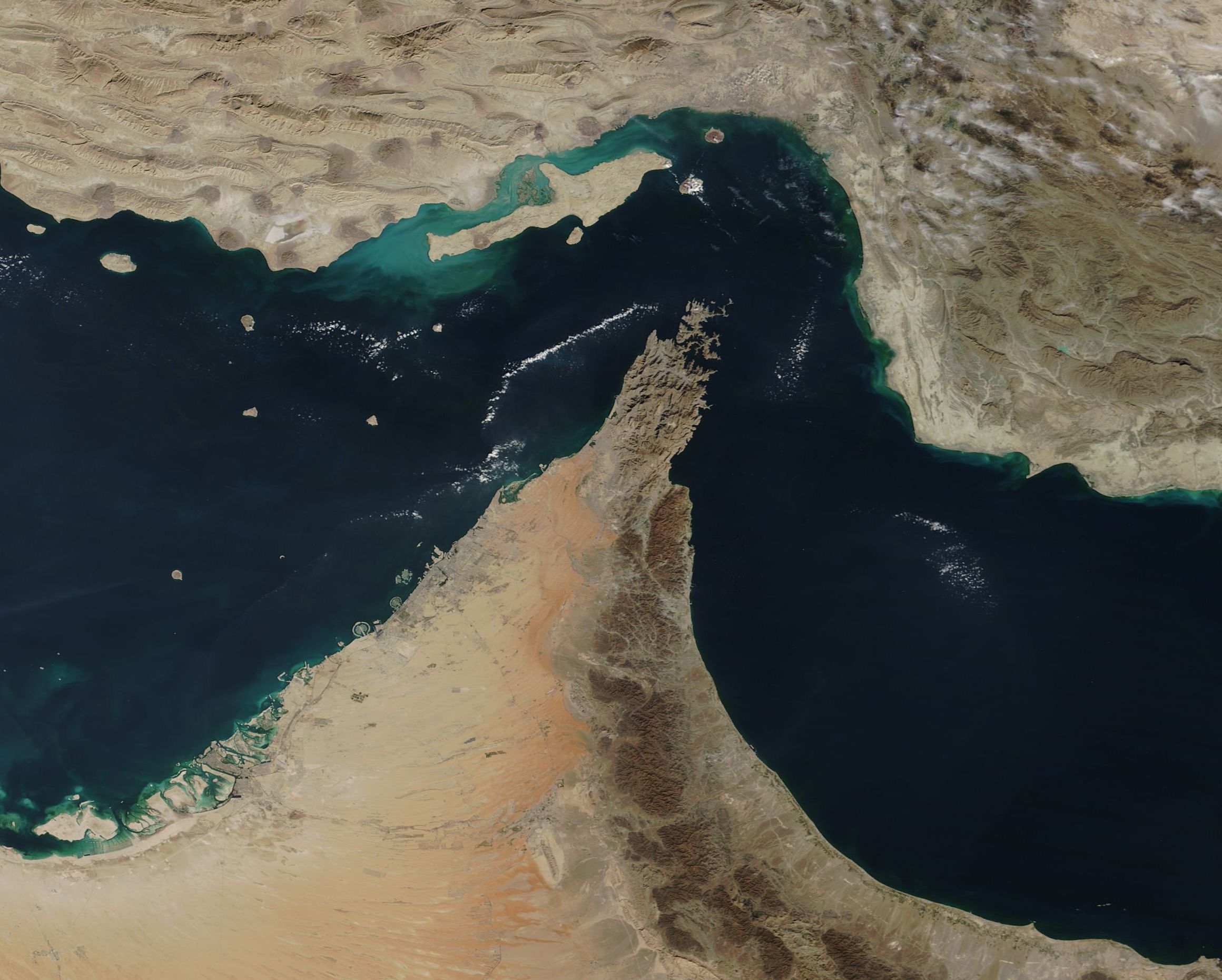
Iraq and Pakistan have secured deals with Iran to ship oil and liquefied natural gas from the Gulf, according to five sources with knowledge of the matter. The agreements demonstrate Tehran's ability to control energy flows through the Strait of Hormuz. The U.S.-Israeli war with Iran has slashed energy exports from a region that normally supplies 20% of the world's crude oil and LNG.
Claudio Steuer of the Oxford Institute for Energy Studies notes Iran's strategic shift: "Iran has moved from blocking Hormuz to controlling access to it. Hormuz is no longer a neutral transit route, it is a controlled corridor." With most of its crude exports typically shipped through the strait, Iraq was among the producers worst-affected by its closure, while Pakistan, which depends heavily on Gulf energy imports, has faced surging fuel costs.
In a previously unreported deal between Baghdad and Tehran, Iraq secured safe passage for two very large crude carriers (VLCCs), each carrying approximately 2 million barrels of crude, that passed through the strait on Sunday. Iraq is now working to secure Iran's approval for more transits as the government seeks to safeguard oil revenues that comprise 95% of its budget. An Iraqi oil ministry official stated, "Iraq is a close ally of Iran, and any deterioration in Iraq's economy would also damage Iran's economic interests in the country."
Similarly, two tankers loaded with Qatari LNG are headed to Pakistan following a separate bilateral agreement between Islamabad and Tehran. Pakistan received roughly 10 LNG cargoes per month before the war and now must meet high summer electricity demand for cooling. Sources confirmed that neither Iraq nor Pakistan has made direct payments to Iran or its Islamic Revolutionary Guard Corps (IRGC) in relation to the transits.
Before the war, about 3,000 vessels passed through Hormuz each month. Traffic is now around 5% of that level, according to shipping data. The disruption has sent Brent crude surging by more than 50% since the outbreak of the conflict at the end of February. LNG prices in Europe and Asia have jumped by roughly 35% to 50%. Saul Kavonic, head of research at consultancy MST Marquee, warned, "As more governments become willing to cut deals with Iran for passage, it risks normalizing the idea that Iran will control the Strait of Hormuz on a more permanent basis."
Key Takeaways:
1. Iraq and Pakistan have struck bilateral transit deals with Iran to ship oil and LNG through the Strait of Hormuz.
2. Iraq secured safe passage for two VLCC tankers, each carrying 2 million barrels of crude, which passed through the strait on Sunday.
3. Monthly vessel traffic through the Strait of Hormuz has dropped to 5% of pre-war levels, down from 3,000 ships.
4. Brent crude prices have surged more than 50% since the conflict began, while LNG prices have jumped 35-50%.
5. Iran has shifted its strategy from blocking Hormuz to controlling access, transforming it into a controlled corridor.

