

Daily Supply Chain Report
May 2, 2026 - Saturday
This day, we bring together the 4 key events that entered the chronology, in date order.
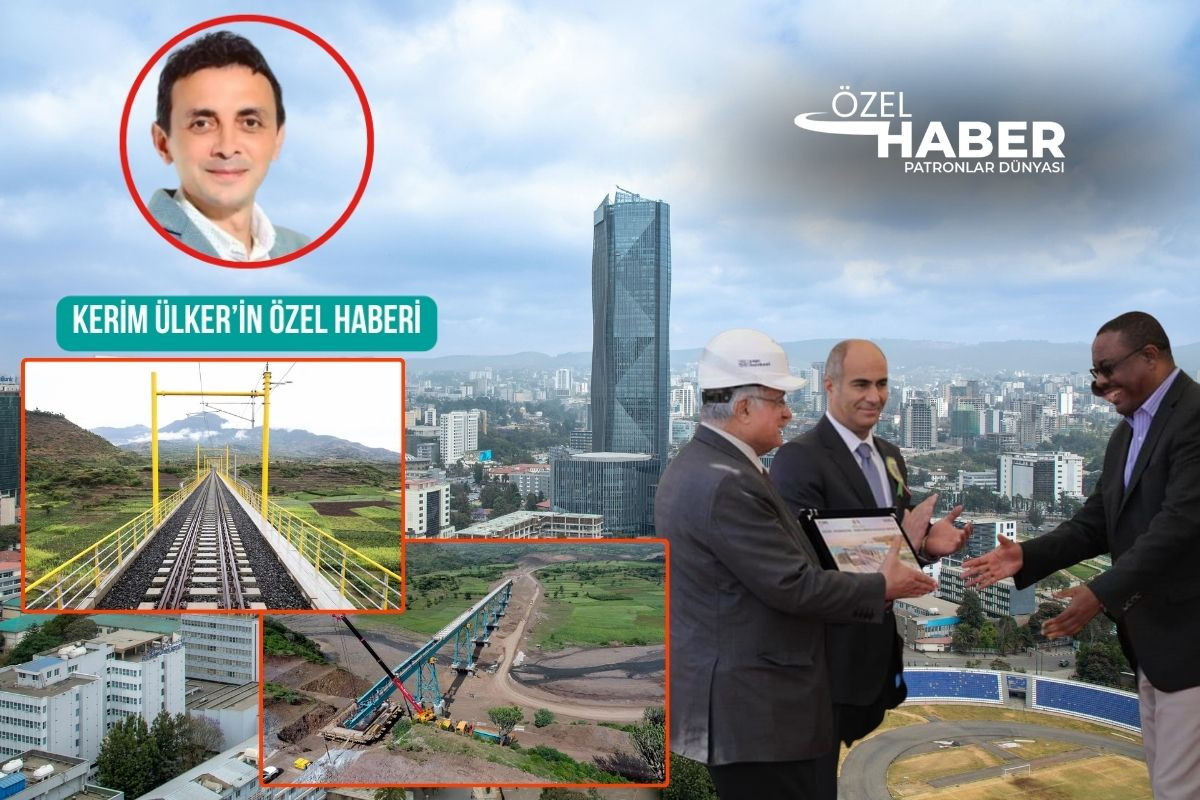
London Court of International Arbitration (LCIA) awards Yapı Merkezi compensation exceeding $300 million from Ethiopia. LCIA ruled in favor of Yapı Merkezi against Ethiopia Railways Corporation (ERC) in a dispute over a $1.7 billion, 400 km railway project from which the contractor withdrew due to civil war; PwC was appointed quantum expert, Ethiopia's scenario priced compensation at $230-300 million but with elapsed time the amount sits well above $300 million, with the payment plan expected by end-May.
In the same period, Iran's Parliament unveils 12-article Strait of Hormuz governance plan. Iranian Parliament Vice Speaker Ali Nikzad announced the 12-article transit protocol during a Bandar Abbas visit: an outright ban on Israeli vessels, war-reparations condition for ships from countries deemed hostile to Iran; revenue split 30% to armed forces and 70% to public welfare and development; "the new governance is as important as the nationalization of oil, ship traffic will not return to its pre-war state".
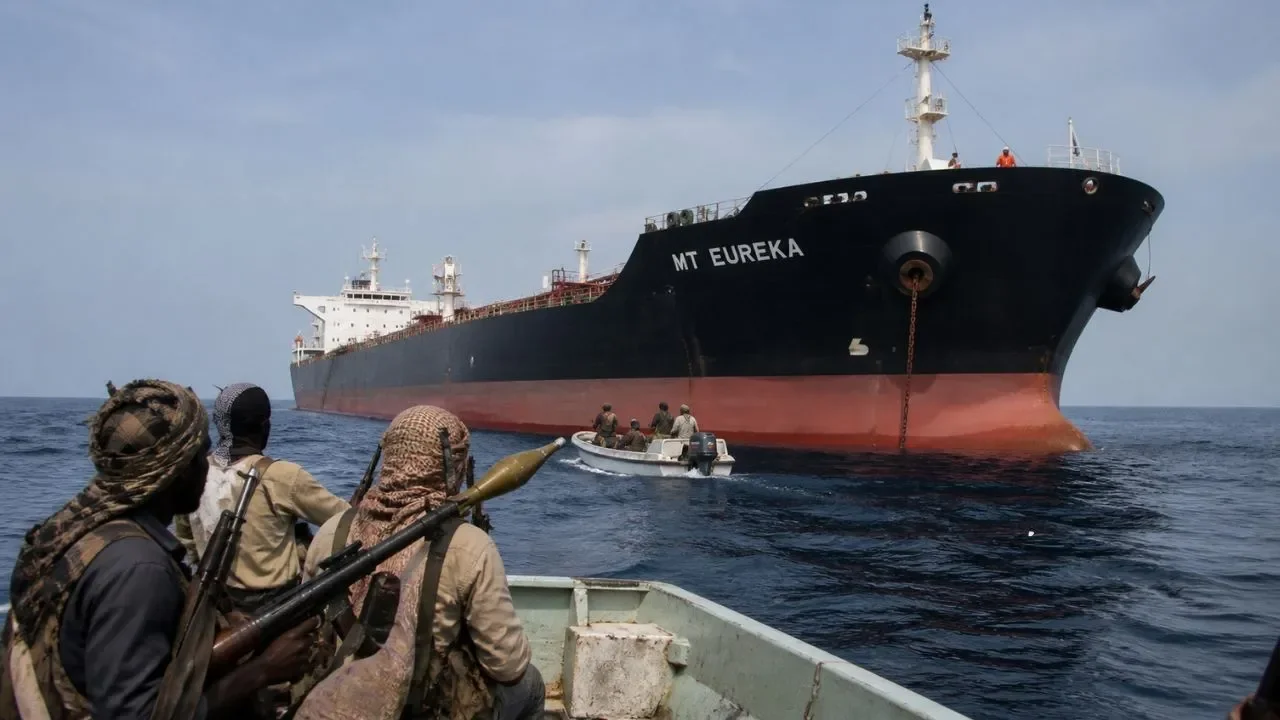
Elsewhere, Oil tanker M/T EUREKA hijacked off Yemen's Shabwa coast. Yemen's Coast Guard reported that unidentified armed attackers hijacked the oil tanker M/T EUREKA off Shabwa and were diverting it toward Somali waters via the Gulf of Aden; the same day UKMTO logged a separate approach on a bulk carrier 84 miles southwest of Mukalla, as the Hormuz crisis pulls naval assets toward the Persian Gulf and lifts piracy risk in the corridor.
Then, Trump administration formally tells U.S. Congress that hostilities with Iran are "terminated". On the last day of the 60-day War Powers window, the White House told Congress hostilities with Iran are "terminated" and no fresh authorization is required; the same letter notes Iran's threat remains significant and the war may be "far from over," while the U.S. naval blockade and military presence at the Strait of Hormuz remain in place.

