

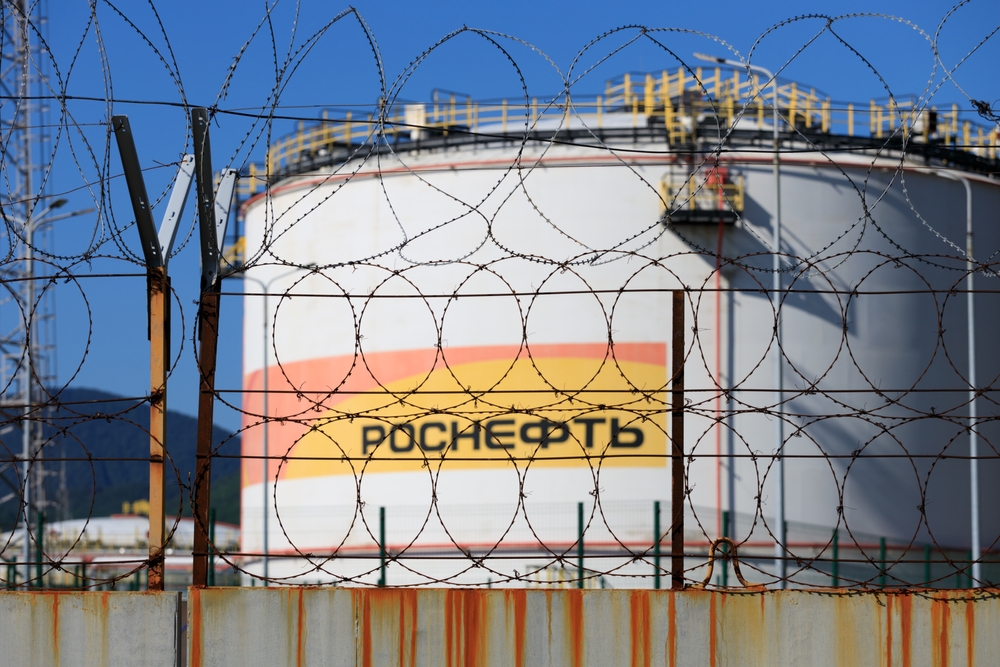
Russia's rail network is experiencing a notable disruption. Up to 40 percent of oil destined for the country's refineries is being rejected for transport by Russian Railways (RZD), according to oil companies. Meanwhile, RZD claims that refineries are not submitting the volumes they plan to transport.
Oil Companies' Complaints
Russian firms including RN-Trans (part of Rosneft) and Gazprom Neft have filed complaints with RZD authorities highlighting significant delivery delays. These delays are occurring in both domestic and export deliveries. The companies are concerned that the decline in fuel transportation could lead to domestic supply problems in the future.
Impact of New Priority Rules
It is notable that these new oil transportation problems coincided with the New Year. On January 1st, new priority rules came into effect in Russia, canceling previous fuel prioritization on the network. Oil companies suggest this has made it easier for RZD to explain why it is transporting less fuel compared to the previous period.
RZD's Position
RZD interprets the situation differently. The railway operator states that oil companies are not supplying enough fuel to transport, and consequently the volume of fuel transported has decreased compared to the previous period. According to Russian media, this position is supported by data in RZD's planning system.
Other Possible Factors
If the new priority rules are not the source of the problem, some Russian market actors point to labor shortages as a possible cause. Oil refineries are producing less fuel than in the previous period. This situation could also explain the ongoing disruption. Others argue that they have failed to reach production targets on time and, with tight railway transportation schedules, may miss their allocated time slots.
Ukrainian Attacks and Refinery Capacity
Ongoing Ukrainian drone attacks on Russian oil facilities have not been mentioned, but this could also contribute to the reduction in rail fuel flows. According to The Moscow Times, these attacks have disabled 10 percent of Russia's refinery capacity.
Key Points
Up to 40 percent of oil produced at Russian refineries is being rejected for transport by RZD.
RN-Trans and Gazprom Neft have filed complaints with RZD regarding significant delivery delays.
The new priority rules that came into effect on January 1st coincide with the onset of fuel transportation problems.
RZD claims that oil companies are not supplying the fuel volumes needed for transport.
Factors such as labor shortages and failure to meet production targets may also contribute to the problems.
Ukraine's attacks on oil facilities have disabled 10 percent of Russia's refinery capacity.
This situation points to a significant challenge in Russia's energy sector and carries potential risks for both domestic and external markets.
We would be delighted to receive your feedback.
We wish you happy reading from the start.

