

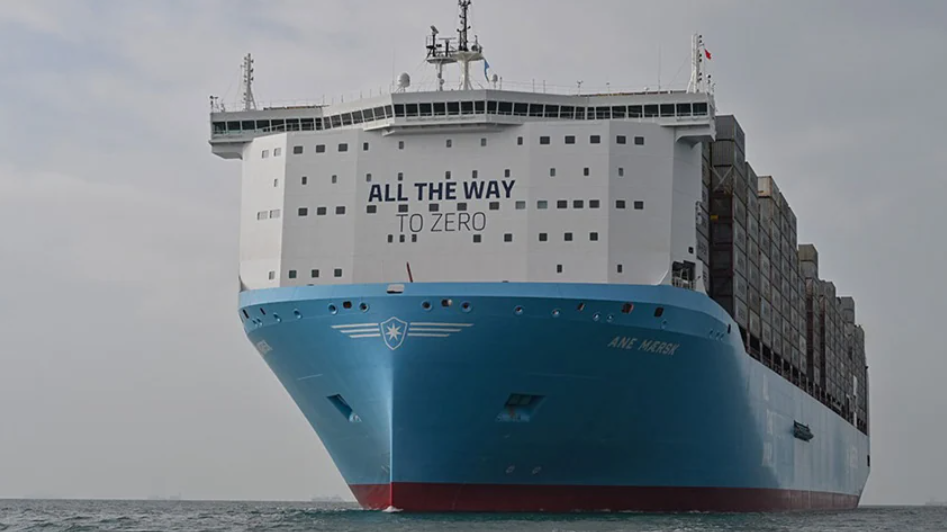
Maersk, one of the world's leading maritime shipping companies, is reassessing its environmental sustainability targets. The company has decided to postpone the clean fuel usage targets it had set for its fleet. This change marks a significant shift in Maersk's strategy for reducing carbon emissions.
Among its primary objectives, Maersk aims to reduce emissions per container by 50 percent, and is now focusing on improving energy efficiency to reach this goal. The company plans to reduce its environmental impact by enhancing energy efficiency. This strategic shift has been made due to slower-than-expected progress in transitioning to clean fuels and current technological and economic challenges.
Maersk's decision once again highlights the difficulties in achieving sustainability targets in the maritime shipping sector. The company plans to meet its emission reduction objectives through energy efficiency improvements. This approach focuses on enabling existing vessels to operate more efficiently and optimizing operational processes.
Energy efficiency improvements reduce fuel consumption, providing both cost savings and minimizing environmental impact. Through investments in this area, Maersk aims to enhance the overall performance of its fleet and reach sustainability targets through a more realistic path.
However, the postponement of the transition to clean fuel demonstrates that the adoption of alternative fuels is progressing slowly across the sector. The challenges faced by Maersk apply equally to other maritime shipping companies. Factors such as the production, distribution, and cost of alternative fuels are affecting this transition process.
Maersk's energy efficiency-focused strategy could serve as an example for the sector. Other companies may similarly consider improving existing technologies and operational processes to achieve emission reduction targets. This approach offers a more readily implementable and economical solution in the short term.
However, it remains a fact that a transition to clean fuels will be inevitable in the long term. Alongside energy efficiency improvements, Maersk continues its efforts in researching and developing alternative fuels. The company plans to increase the use of these fuels in the future and is closely monitoring developments in this area.
In conclusion, Maersk's postponement of clean fuel targets underscores the challenges in achieving sustainability objectives in the maritime shipping sector. The company plans to meet its emission reduction targets by focusing on energy efficiency improvements. This strategy may serve as an example for other companies facing similar challenges across the sector.
Key Points:
Maersk has decided to postpone its clean fuel usage targets.
The company aims to reduce emissions per container by 50 percent.
Energy efficiency improvements are the focus to achieve this goal.
Improved energy efficiency reduces fuel consumption and environmental impact.
The postponement of the transition to clean fuels reflects challenges across the sector.
Maersk continues its work in researching and developing alternative fuels.
We would be delighted to receive your feedback.
We wish you pleasant reading.

