

In recent weeks, escalating attacks in the Red Sea have prompted vessels to opt for longer routes via Cape of Good Hope rather than the Suez Canal. This shift is significantly raising carbon emissions from maritime shipping, jeopardizing 2030 climate goals.
According to Reuters, attacks by Houthi rebels in Yemen are preventing ships from using the Suez Canal. As a result, shipments from Asia to Europe are being rerouted via Cape of Good Hope on longer, more fuel-intensive routes. For example, a large container vessel traveling from Shanghai to Hamburg via Cape of Good Hope produces 38% more CO₂ emissions compared with transiting the Suez Canal.
These diversions pose a serious threat to climate goals, given that maritime shipping accounts for 2.9% of total global CO₂ emissions. The International Maritime Organization (IMO) aims to reduce shipping sector emissions by 20% by 2030. However, current security concerns and limited availability of alternative fuels are making it difficult to achieve these targets.
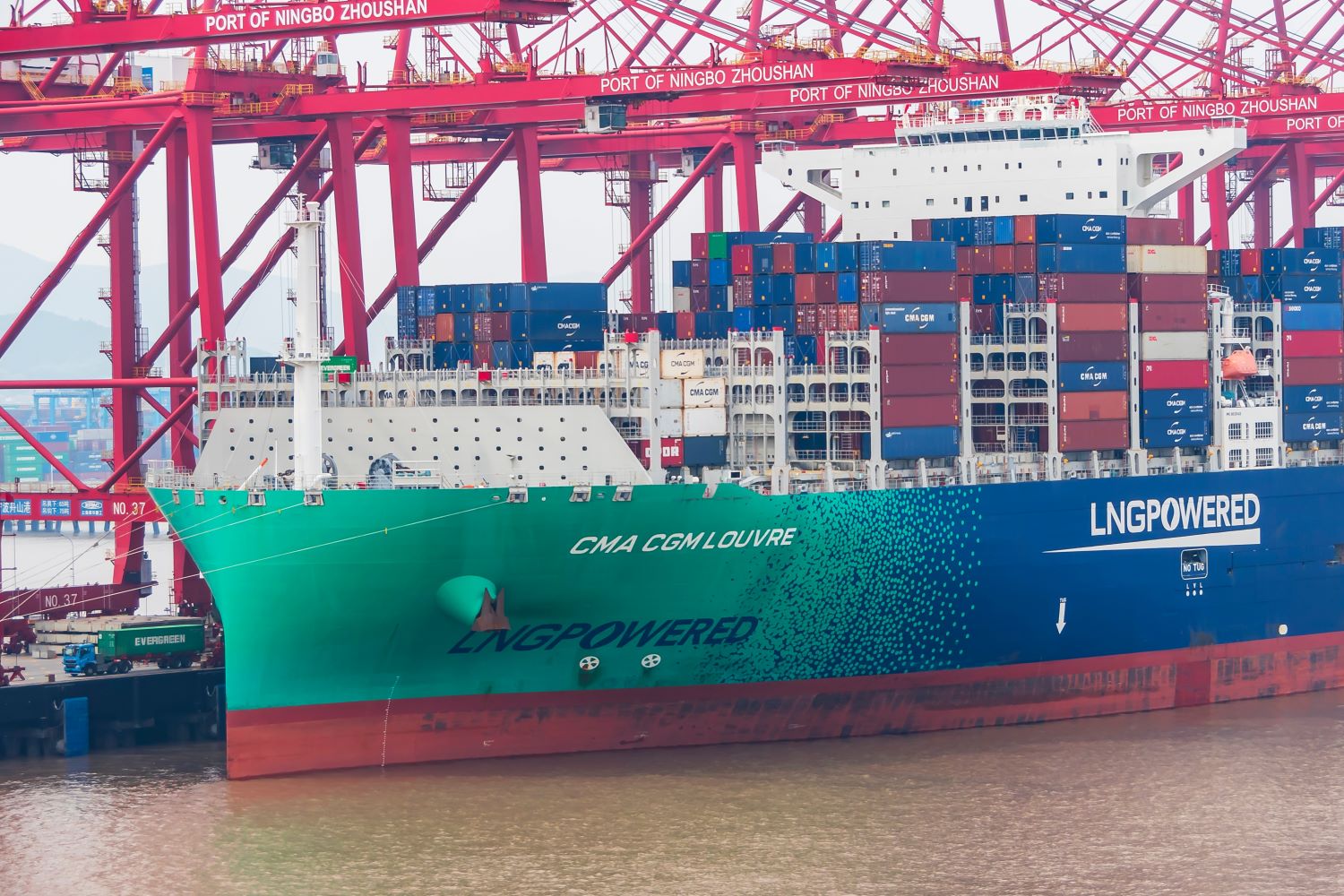
Although major shipping companies like A.P. Moller-Maersk plan to transition to cleaner fuels such as methanol, limited supply and high costs of these fuels are slowing the transition. This is pushing companies toward interim solutions like LNG. However, as LNG is not fully carbon-neutral, this creates misalignment with long-term emissions goals.
Furthermore, these diversions in maritime shipping are causing delays in supply chains and driving up costs, adversely affecting companies' sustainability targets. For instance, companies like Nestlé and Levi Strauss & Co. are facing operational challenges due to rising shipping costs and delays.
These developments are complicating the shipping sector's efforts to meet 2030 emissions targets. The IMO's slow decision-making processes and the sector's difficulties in transitioning to alternative fuels are putting climate goals at risk. Accordingly, the sector must take faster and more effective steps.
Key Points:
Due to security concerns in the Red Sea, vessels are opting for longer routes via Cape of Good Hope instead of the Suez Canal.
These diversions are raising maritime shipping's carbon emissions, jeopardizing 2030 climate targets.
Limited supply and high costs of alternative fuels are slowing the sector's transition to clean energy.
Supply chain delays and cost increases are negatively affecting companies' sustainability goals.
The IMO's slow decision-making processes are making it difficult for the sector to achieve climate goals.
We would be delighted to hear your feedback.
Wishing you happy reading in advance.

