

Sea-Intelligence released its 159th Global Liner Performance (GLP) report covering the October 2024 period. The report noted that the global schedule reliability rate increased by 0.9 percentage points month-over-month to reach 51.5% in October. Throughout 2024, schedule reliability has generally fluctuated between 50% and 55%, and the stability of these lower levels provides shippers with more reliable monthly forecasts.
Sea-Intelligence's comprehensive research evaluated the global reliability landscape by examining 34 trade lanes and more than 60 carriers. According to the report, the average delay duration for LATE vessel arrivals decreased by 0.14 days on a monthly basis to 5.72 days. This represents the highest total delay time for this month since the pandemic peak in 2021.
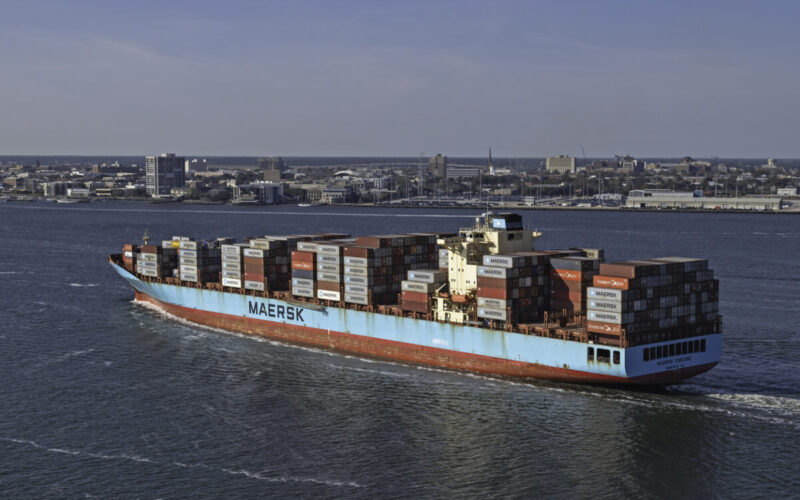
Among leading carriers, Maersk achieved a schedule reliability rate of 57.9% as the most reliable carrier in the top-13 group in October 2024. It was followed by MSC at 52.0%. Sea-Intelligence noted that the other 11 carriers had reliability rates between 40% and 50%, and identified PIL as the least reliable carrier with the lowest reliability rate of 37.2%.
In October, eight out of the top-13 carriers improved their monthly schedule reliability. Wan Hai stood out with the largest increase at 5.4%, while ZIM experienced the largest decline at 3.5%. On a year-to-date basis, none of these carriers improved their schedule reliability, with 12 of the top-13 carriers showing double-digit declines.
Sea-Intelligence had previously reported in September that Maersk was the most reliable carrier in the top-13 group, maintaining a leadership position with a 55.5% schedule reliability rate. The October improvement reinforces Maersk's leadership while demonstrating overall stable performance in global schedule reliability.
This report provides important data for stakeholders in the logistics and maritime shipping sectors, playing a critical role in understanding carrier performance and industry trends. Low schedule reliability rates create significant challenges for shippers in terms of cost and time management, while highlighting the need for carriers to enhance their operational efficiency.
Key Points:
Global schedule reliability increased to 51.5% in October 2024.
LATE vessel delay duration decreased to an average of 5.72 days.
Maersk became the most reliable carrier in October 2024 with 57.9% schedule reliability.
Wan Hai recorded a 5.4% improvement in schedule reliability.
PIL had the lowest schedule reliability rate of 37.2%.
Throughout 2024, schedule reliability generally ranged between 50% and 55%.
On a year-to-date basis, 12 of the top-13 carriers experienced double-digit declines in schedule reliability.
We would be delighted to receive your feedback.
Wishing you good reading in advance.

