

Global maritime program reliability increased by 4.1 percentage points in November 2024 compared to the previous month, rising to 54.8%. Despite this growth, program reliability fluctuated between 50% and 55% throughout 2024. The average duration of delayed vessel arrivals fell by 0.43 days to 5.41 days; however, this figure marks the second-highest level recorded since the pandemic peak in 2021.
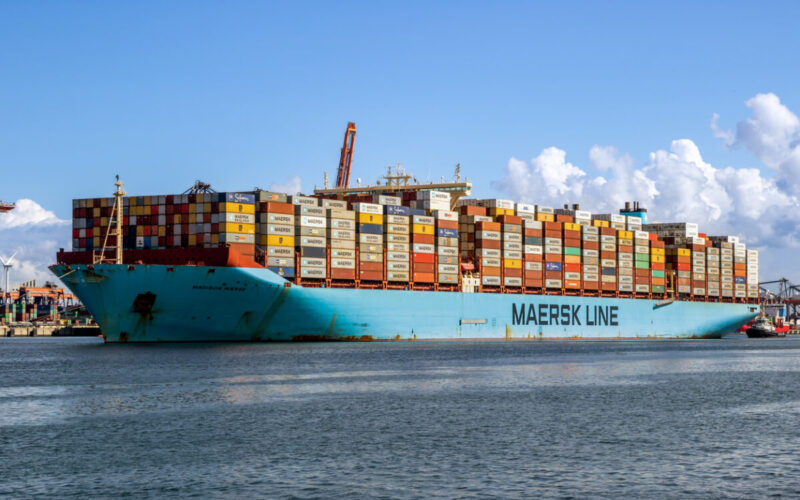
In November 2024, Maersk emerged as the most reliable carrier with 61.9% schedule reliability. Eight carriers maintained reliability rates between 50% and 60%, while the remaining five carriers posted rates between 47% and 50%. Wan Hai recorded the lowest program reliability at 47.3%. During this period, the gap between the most and least reliable carriers remained below 15 percentage points. All of the top 13 global carriers improved their monthly schedule reliability, with PIL showing the largest gain.
Program reliability in maritime shipping refers to the degree to which vessels adhere to their scheduled arrival and departure times and is a critical indicator for supply chain management. Disruptions experienced during the pandemic period caused significant declines in schedule reliability. The 50-55% range observed in 2024 indicates that the sector's recovery is stable but progressing slowly.
Maersk's leadership position in November 2024 reflects the company's commitment to operational efficiency and on-time delivery. Strategic partnerships such as Gemini Cooperation play an important role in improving schedule reliability. Beginning in February 2025, this alliance between Maersk and Hapag-Lloyd aims to achieve schedule reliability above 90% through the use of larger vessels and reduced port calls.
However, external factors such as security concerns in the Red Sea can negatively impact maritime shipping's schedule reliability. Due to attacks by Houthi militants, vessels must route around Africa's southern tip instead of passing through the Suez Canal, extending transit times and reducing schedule reliability.
Improving schedule reliability in the maritime shipping sector is crucial for supply chain efficiency and customer satisfaction. Carriers are expected to develop their operational strategies accordingly and enhance their resilience in the face of external challenges.
Key Points:
Global schedule reliability in November 2024 was recorded at 54.8%.
Maersk was the carrier with the highest schedule reliability at 61.9%.
The average duration of delayed vessel arrivals fell to 5.41 days.
Gemini Cooperation targets schedule reliability above 90%.
Security concerns in the Red Sea are negatively impacting schedule reliability.
We would be delighted to receive your feedback.
Wishing you happy reading.

