

Norden CEO Rindbo: 'We Are Planning on the Assumption Our Seven Chartered Ships Stay Stuck in Hormuz All Year'
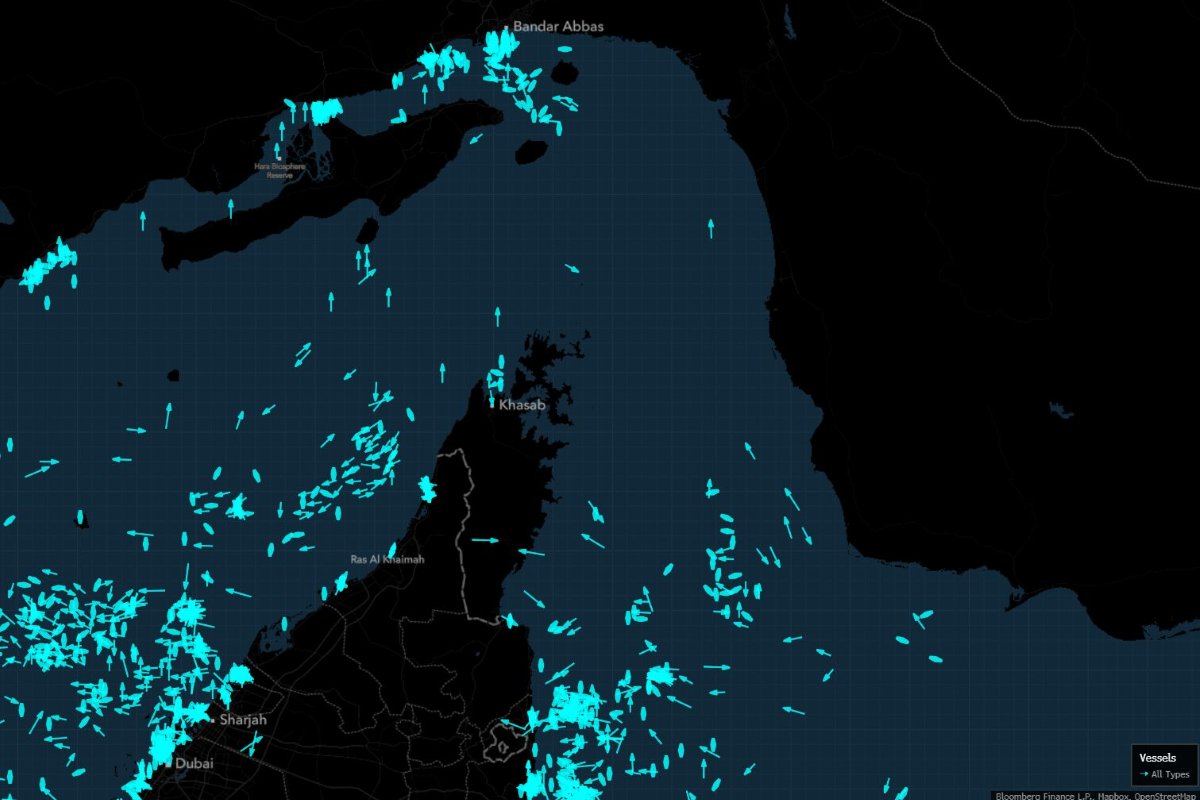
Denmark's D/S Norden A/S, one of the world's largest commodity shipping companies, is planning for a scenario in which the Strait of Hormuz remains effectively shut for the rest of the year. CEO Jan Rindbo said on May 11 that the company has based its full-year guidance on the assumption that vessels currently trapped in the Persian Gulf will not be able to leave before year-end. He framed the decision as a precautionary stance rooted in poor visibility rather than a base-case forecast.
"There's no clear time line for when this conflict will be resolved," Rindbo said. "From a prudence perspective, we felt it was right to assume the ships remain there for the rest of the year. Another issue is, that when the strait reopens it will likely be under certain conditions and there will be a backlog of ships waiting to leave." Norden has seven chartered ships stuck in the Persian Gulf.
According to an OECD maritime tracker announced on May 11, there are about 1,300 vessels engaged in trade currently in the Gulf. A vital artery for oil and gas flows, the Strait of Hormuz has been effectively shut since late February with no clear path back to normal traffic. Rindbo's comments underscore how the war is reshaping risk calculations across global shipping.
From a supply chain perspective, Norden's corporate decision is a critical reference point for both land-based and maritime operators. Insurers are locking war-risk premiums at sustained levels, war-risk clauses are being revisited in contract renewals, and crude/LPG/LNG owners continue to lean on the UAE East-West Pipeline and India-Atlantic routing. If Norden's one-year assumption is accepted, the industry expects an additional $500-700M in war-risk premiums to feed into contract renewals in H2 2026.
Key Takeaways:
1. D/S Norden has updated 2026 guidance assuming its 7 chartered ships will stay stuck in Hormuz all year.
2. CEO Jan Rindbo cited prudence; no clear resolution timeline.
3. OECD tracker reports about 1,300 trading vessels in the Gulf.
4. Hormuz has been effectively shut since late February — a vital oil/gas artery.
5. Industry expects an additional $500-700M in war-risk premiums to flow into H2 2026 contracts.
[44072]

