

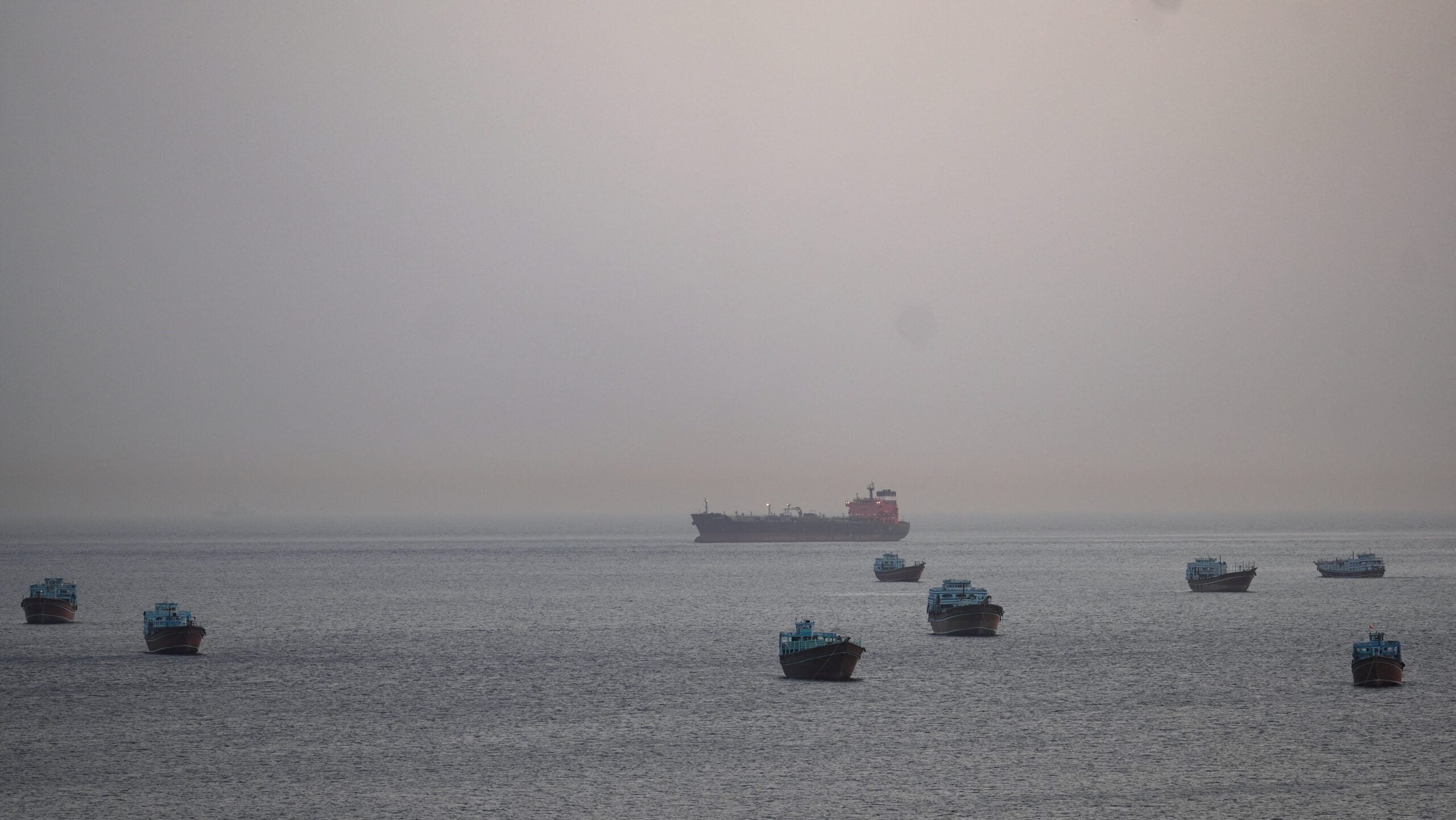
According to Reuters, a senior Iranian official said Tehran's latest proposal — so far rejected by U.S. President Donald Trump — would reopen shipping in the Strait of Hormuz and end the U.S. blockade of Iran while postponing nuclear talks to a later stage. Speaking on condition of anonymity to discuss confidential diplomacy, the official described the deferral of the nuclear file as a significant Iranian concession aimed at facilitating an agreement.
Trump told reporters on Friday that he was not satisfied with the latest Iranian proposal, but added that the military path was not his preferred option, saying "on a human basis" he did not want to escalate. In a letter to congressional leaders, Trump argued that he did not need legislative permission to extend the conflict beyond a statutory deadline because the ceasefire had "terminated" hostilities. Iran's foreign minister countered that Tehran is ready for diplomacy if Washington changes its approach.
The strait crisis is exerting concrete pressure on global supply chains. Hormuz carries roughly 20% of the world's oil and gas supply, and Iran's restrictions on Gulf shipping for more than two months have lifted freight rates, insurance costs and energy prices. Republicans face midterm elections in November and are pushing the White House to break the chokehold before higher gasoline prices trigger a voter backlash.
Four weeks after the U.S. and Israel suspended their bombing campaign that began in February, no final deal is in sight. Last month Washington imposed its own blockade on vessels leaving Iranian ports, while Tehran continues to block nearly all non-Iranian shipping from the Gulf. The dual lock is squeezing global energy markets and trunk trade lanes simultaneously: Brent crude touched $126 a barrel on Thursday, the highest level since the 2022 aftermath of Russia's invasion of Ukraine.
On the logistics side, container carriers continue to reroute Gulf and Asia–Europe services. Tankers remain inside the Joint War Committee (JWC) high-risk area with elevated P&I premiums, and delays to LNG and diesel shipments to Europe keep affecting inventory positions and long-term contract pricing. While Trump's remarks reduce near-term escalation risk, they leave open the question of when Hormuz will return to full transit capacity.
Key Takeaways:
1. Iran has formally proposed reopening Hormuz shipping in exchange for postponing nuclear talks; Washington has rejected the offer for now.
2. Trump dismissed the proposal as unsatisfying but signaled diplomacy over military escalation, saying he does not prefer war 'on a human basis.'
3. Hormuz handles about 20% of global oil and gas supply; the two-month restriction has driven up freight, insurance and energy prices.
4. The U.S. imposed its own blockade on vessels leaving Iranian ports last month, while Tehran continues to block non-Iranian Gulf shipping.
5. Brent crude touched $126 on Thursday; container and tanker markets continue with elevated risk premiums and rerouting.

