

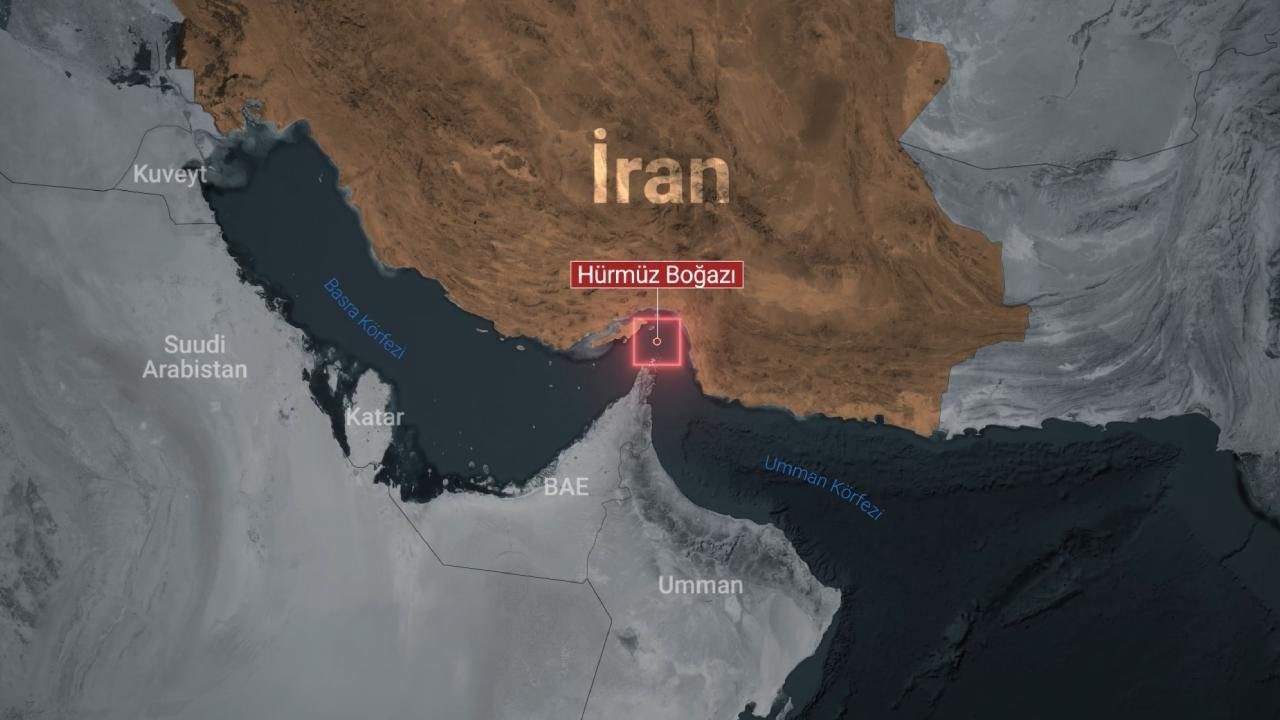
The ongoing crisis at the Strait of Hormuz has returned to the agenda with fresh ship-traffic data. According to sources monitoring activity in the region, in the past 72 hours, a total of 52 Iran-flagged vessels cleared the U.S.-imposed blockade and continued on their routes.
Per the data, 31 of these vessels were oil tankers, with the remaining 21 being commercial cargo ships carrying different types of freight. In the same window, total Hormuz transits stood at around 30, some of which were also Iran-linked tankers and cargo ships.
Regional tension escalated when Iran announced restrictions on Hormuz in early March, a step said to follow the military developments at end of February. The U.S. announced tougher maritime measures after the negotiation track stalled and subsequently rolled out a blockade covering Iranian ports.
The picture exposes the gap between the actual situation on the ground and announced military and political decisions. The impact of developments at the Strait of Hormuz on global energy flows and seaborne trade remains closely watched. The 52-vessel activity suggests the blockade's paper tightness may be fractured in practice; risk-assessment observations remain critical for owners and P&I insurers.
Key Takeaways:
1. In the past 72 hours, 52 Iran-flagged vessels cleared the U.S. blockade through Hormuz.
2. 31 were oil tankers; 21 were commercial cargo ships.
3. In the same window, total Hormuz transits stood at ~30, some also Iran-linked.
4. Tension escalated after Iran's early-March Hormuz restriction decision.
5. The data suggest the blockade's enforcement may be fractured; risk observation is critical.

