

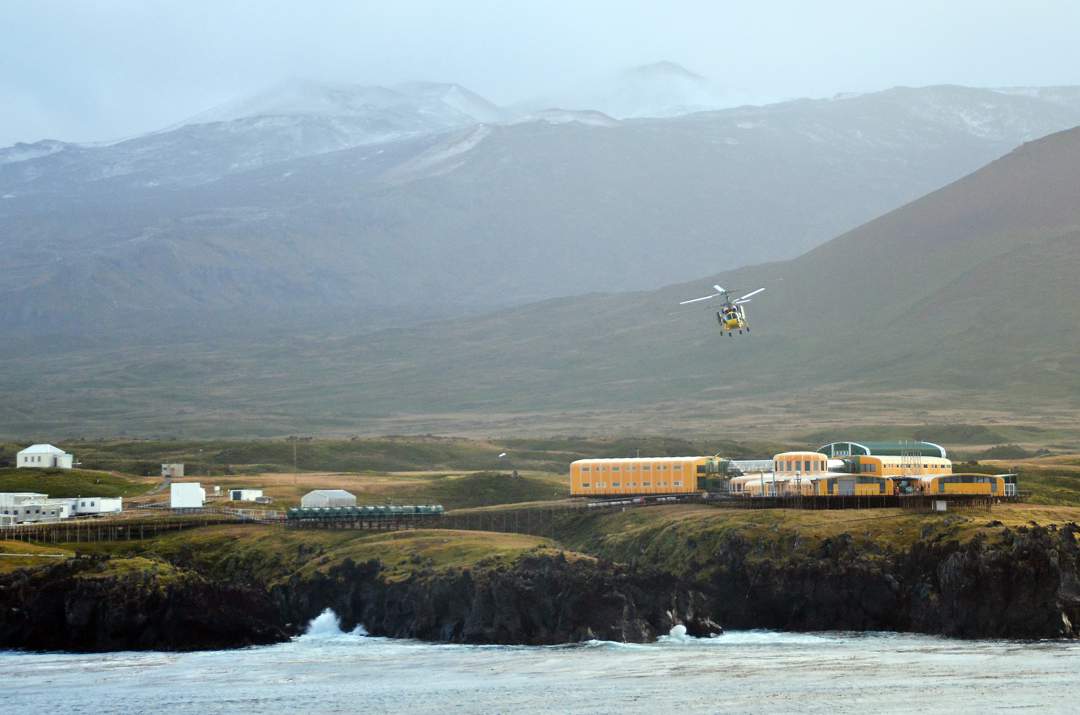
South Africa's Department of Environment said the annual relief voyage to swap out researchers at the country's sub-Antarctic Marion Island base has been delayed by several weeks because of fuel shortages tied to the Middle East crisis. The icebreaking polar supply vessel SA Agulhas II was scheduled to depart Cape Town last month but only received its shipment of specialised polar diesel — required for Antarctic and sub-Antarctic operations — on May 1.
In a written statement, the ministry said the delay was "primarily due to the global scarcity of fuel products linked to ongoing geopolitical developments in the Middle East." The team currently on Marion Island has been there since April 2025 and consists of 20 people, including technicians, meteorologists, birders, sealers and a killer whale specialist whose rotation normally runs on a fixed annual calendar.
The base has enough polar diesel reserves until about May 20 and food supplies for roughly two more months. Backup petrol generators and nine stocked research huts across the island provide additional emergency capacity, so the over-wintering team is not under immediate risk, the ministry said. The newly arrived fuel is undergoing testing and mixing to prevent crystallisation in extreme cold; once that process is complete the SA Agulhas II will sail for the 1,920-kilometre journey, which takes about five days.
The incident shows how the supply shock around the Strait of Hormuz is rippling into operations far from the conflict zone. Specialised refined products such as polar diesel draw on the same global pool as jet fuel, marine bunker and industrial diesel; demand-supply distortions in the Middle East therefore disproportionately squeeze single-supplier, season-bound links such as polar logistics, exposing fragilities at the otherwise invisible edges of the global supply chain.
Key Takeaways:
1. South Africa's annual SA Agulhas II relief voyage to swap out the Marion Island team has been pushed back by several weeks.
2. The ministry attributes the delay to a global scarcity of polar diesel linked to ongoing Middle East geopolitical developments.
3. The base has polar diesel reserves until about May 20 and roughly two months of food, so the over-wintering team faces no immediate risk.
4. The newly arrived fuel is undergoing testing and mixing to prevent crystallisation in extreme cold; the voyage itself will take about five days.
5. The incident shows how the Strait of Hormuz fuel-supply shock is rippling into single-supplier, season-bound polar logistics.

