

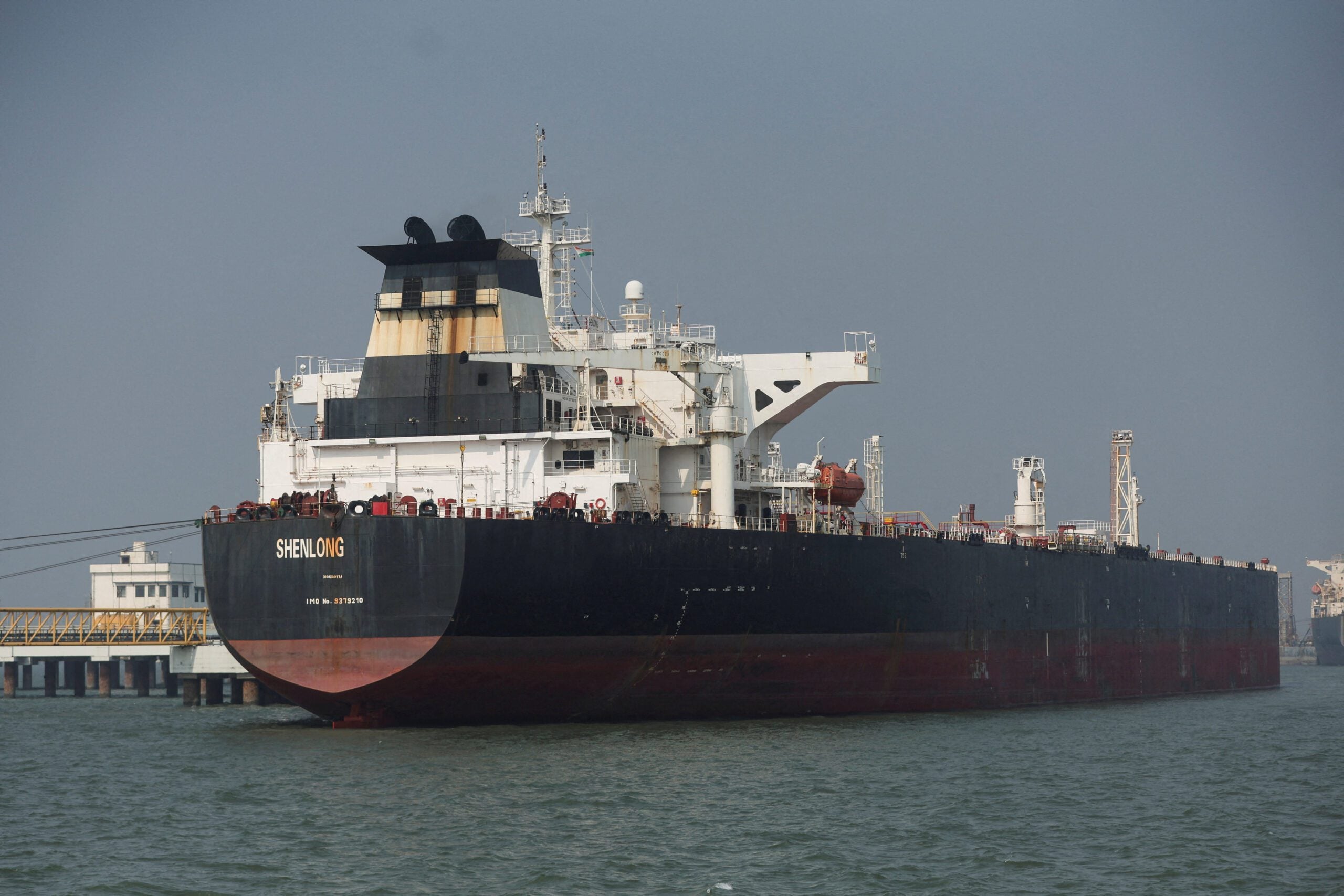
According to a Bloomberg analysis, the Strait of Hormuz blockade has created a sharp split among Gulf oil exporters. Saudi Arabia and Oman are emerging as net winners from higher prices, while several producers led by the United Arab Emirates have seen their petrodollar income slide. In a note published last week, Goldman Sachs MENA analyst Farouk Soussa estimated Riyadh's weekly oil revenue is up 10% relative to pre-war levels, while the UAE is down around 25%.
Saudi Arabia is rerouting the bulk of its crude exports through the East-West pipeline to the Red Sea port of Yanbu, moving roughly 4 million barrels a day along that line since the war erupted in late February. The UAE has also pumped oil through its own pipeline beyond Hormuz, but March loadings of about 2 million barrels a day represent only half its February exports. The UAE's surprise decision last week to leave OPEC — driven by the prospect of pumping more once Hormuz reopens — has compounded the revenue squeeze.
With ports outside the strait, Oman has held export volumes steady and seen revenue surge by 80%. Kuwait, Qatar, Bahrain and Iraq sit at the other end of the spectrum: their oil and gas income has cratered because they have little capacity to bypass Hormuz. In a separate note dated March 20, Goldman Sachs estimated that the six Gulf Cooperation Council members are collectively losing about $700 million in oil revenue every day the strait is closed.
The split is reflected in equity markets, with Omani and Saudi indices outperforming the other four GCC peers. Brent crude has surged since the conflict began, touching $126 a barrel on Thursday — the highest level since the 2022 aftermath of Russia's invasion of Ukraine. Brent eased to $108 on Friday but is still up by more than 80% year-to-date in 2026.
Ziad Daoud, chief emerging markets economist at Bloomberg Economics, described the war as "splitting the region into winners and losers," a framing that mirrors the picture on the shipping side. The supply chain message is clear: tanker flows will remain anchored to Red Sea routings and pipelines until Hormuz reopens, and regional competition over both routes and revenue share is set to intensify well beyond the immediate crisis.
Key Takeaways:
1. Goldman Sachs estimates Saudi Arabia's weekly oil revenue is up 10% versus pre-war levels while the UAE is down 25%.
2. With ports outside Hormuz, Oman has kept exports steady and seen revenue surge by 80% — the biggest beneficiary in the Gulf.
3. Saudi Arabia is rerouting roughly 4 million barrels a day through its East-West pipeline to the Red Sea port of Yanbu.
4. GCC members are collectively losing about $700 million in daily oil revenue every day the Strait of Hormuz remains closed.
5. Brent hit $126 on Thursday, the highest since 2022; it eased to $108 on Friday but is still up over 80% year-to-date.

