

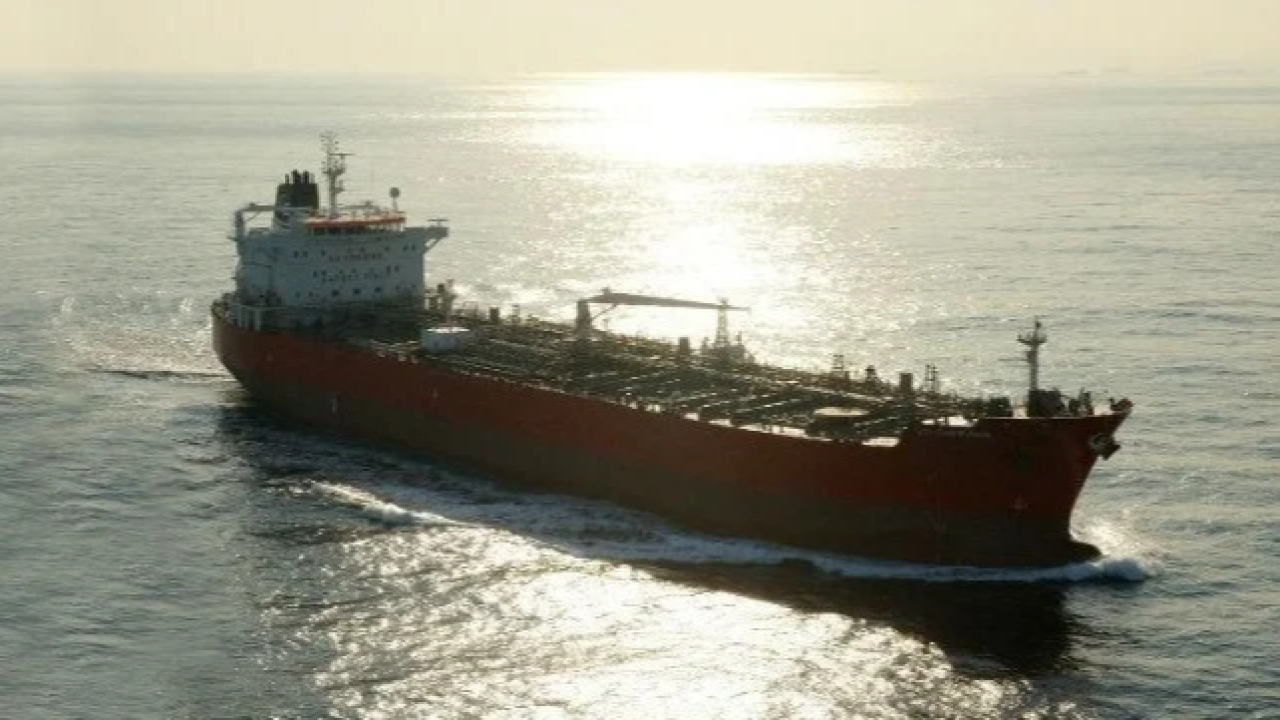
Ukraine struck the sanctioned product tanker Marquise off Tuapse in the Black Sea, alongside coordinated drone attacks on energy infrastructure inside Russia. Ukraine's General Staff said the overnight operations are a new phase in a campaign aimed at Moscow's oil revenues.
The 37,662 dwt Marquise was empty at the time of the strike and was waiting 210 kilometres off Tuapse for ship-to-ship (STS) transfer orders. AIS data show the transponder was switched off during the attack. Ukraine said the vessel was hit by two MBEC kamikaze drones. The strike targeted the stern section, including the engine room, propeller and rudder area; damage assessments are still under way.
Built in 2006, the tanker has been on sanctions lists since 2023. Owned and managed by UAE-based companies, it has sailed under Gabon, Barbados, Vanuatu and Cameroon flags in recent years. First sanctioned by the UK and EU in October 2025, the vessel was added to Ukraine's own list in early 2026. That profile makes Marquise a textbook example of Russia's 'shadow fleet' — the parallel transport network used to bypass western sanctions.
The strike forces underwriters, P&I clubs and shipping companies in the Black Sea basin to re-evaluate their risk profile. Operational safety in STS transfer zones and route selection are emerging as parameters that any actor exposed to Russia-linked trades is now reviewing more frequently. The product tanker market is also searching for a new balance between tight ballast positions and a higher geopolitical risk premium.
Key Takeaways:
1. Ukraine hit the sanctioned tanker Marquise off Tuapse with two MBEC kamikaze drones.
2. The 37,662 dwt vessel was awaiting STS transfer with transponder switched off when struck.
3. The strike targeted the stern section, including engine room, propeller and rudder area.
4. On sanctions lists since 2023, Marquise typifies Russia's 'shadow fleet' parallel transport network.
5. The incident pushes Black Sea product tanker insurance, route selection and P&I risk back onto the table.

