

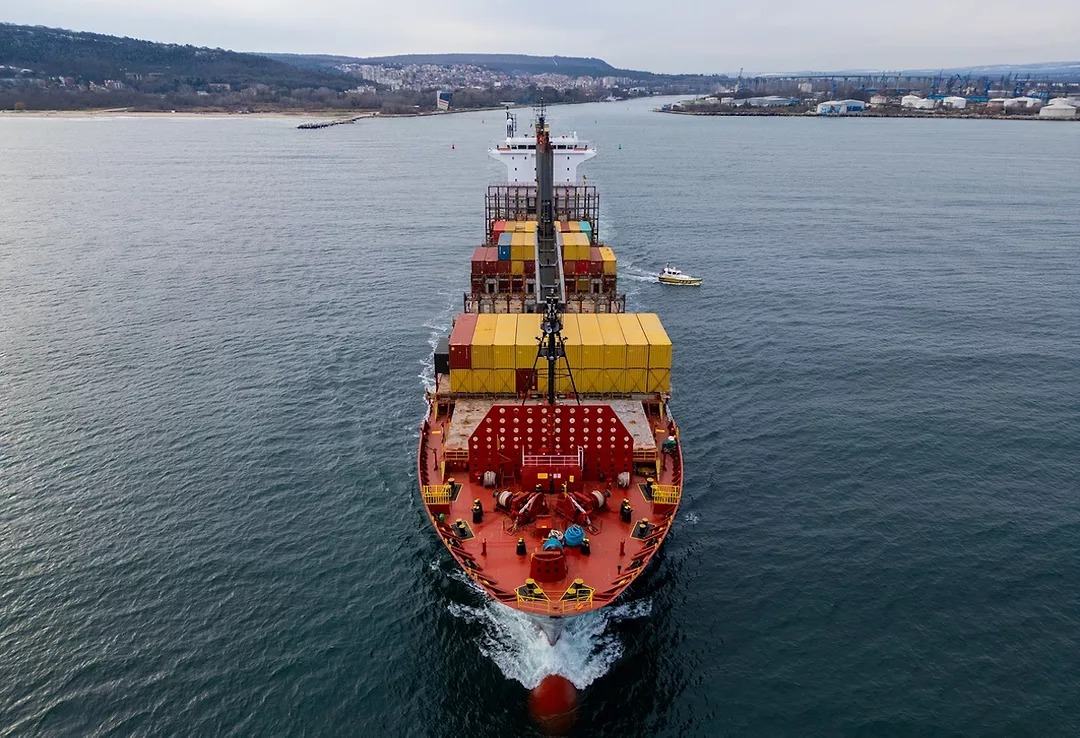
Maritime transport risks in the Black Sea have escalated dramatically as of December 2025. Bloomberg's latest analysis reveals that war-risk insurance prices in the region have surged sharply following Ukraine's attacks on Moscow-linked vessels. According to data from Marsh, the world's largest insurance broker, war insurance rates for ships calling at Russian ports have climbed from the previous 0.25–0.30% band to 1% — representing a surge of more than 250%.
Ukraine announced last week that it had attacked two vessels belonging to Russia's shadow fleet, the clandestine tanker fleet used to circumvent sanctions. Two additional attacks on Moscow-linked vessels followed. These incidents further complicate an already fragile security environment in the Black Sea.
In response to these developments, insurers are repricing the region. Munro Anderson, Operations Chief at Vessel Protect (Pen Underwriting), notes that ships calling at Russian ports now face evaluation of a "broader range of possible strike locations," with higher probability of repeated attacks. The concentration of attacks has also raised the likelihood of Russian retaliation. Indeed, Russian President Vladimir Putin elevated risk perception on December 2 by stating that Russia could "strike back."
The threat in the Black Sea is not limited to Ukraine and Russia-linked vessels. According to Romania's Defence Ministry, on December 3, naval commando units destroyed a Sea Baby drone 36 nautical miles east of Constanta. This incident demonstrates that commercial vessels from outside the region are also at risk from drone attacks. A multi-actor threat landscape is emerging for all Black Sea nations.
Dylan Mortimer, Marine Hull U.K. War Leader at Marsh, points out that premium increases are directly linked to rising attack numbers, with targets now extending beyond ships to include port and terminal infrastructure. Attacks on terminal infrastructure have the potential to disrupt not only vessel security but all logistics flows in the region.
These developments become even more critical as shadow fleet activities amplify risk levels in the region. Shadow tankers consist of poorly maintained, uninsured, or underinsured vessels. Attacks on these ships — or technical failures — create significant environmental pollution risk and the possibility of shipping lane blockage in the Black Sea. This automatically raises the risk category for compliant commercial vessels operating in the area.
From a supply chain perspective, premium increases in the Black Sea produce three primary consequences:
Cost Escalation: All shipments through the region (grain, oil, chemicals) face higher insurance costs.
Route Changes: Some carriers are shifting to longer routes or alternative transshipment points to bypass the Black Sea leg.
Policy Restrictions: Insurers now offer narrower coverage policies and may refuse insurance entirely for certain vessels.
In sum, the Black Sea has become one of the world's highest-risk maritime regions in the final weeks of 2025. As the maritime dimension of the Ukraine-Russia conflict expands, the insurance market reflects this risk, rendering the region an expensive, unpredictable, and security-intensive logistics area.
Key Points:
Black Sea war-risk insurance premiums have surged more than 250% to reach 1%.
Ukraine carried out two attacks on Russia's shadow fleet tankers; two additional incidents occurred.
Russia signaled retaliation; risk perception elevated.
Romania destroyed a Sea Baby drone off Constanta.
Insurers now categorize both vessels and terminal infrastructure within the same risk framework.
These premium increases directly impact supply chain costs and route planning.
Author: SedatOnat.com
We would be delighted to receive your feedback.
Wishing you happy reading.

