

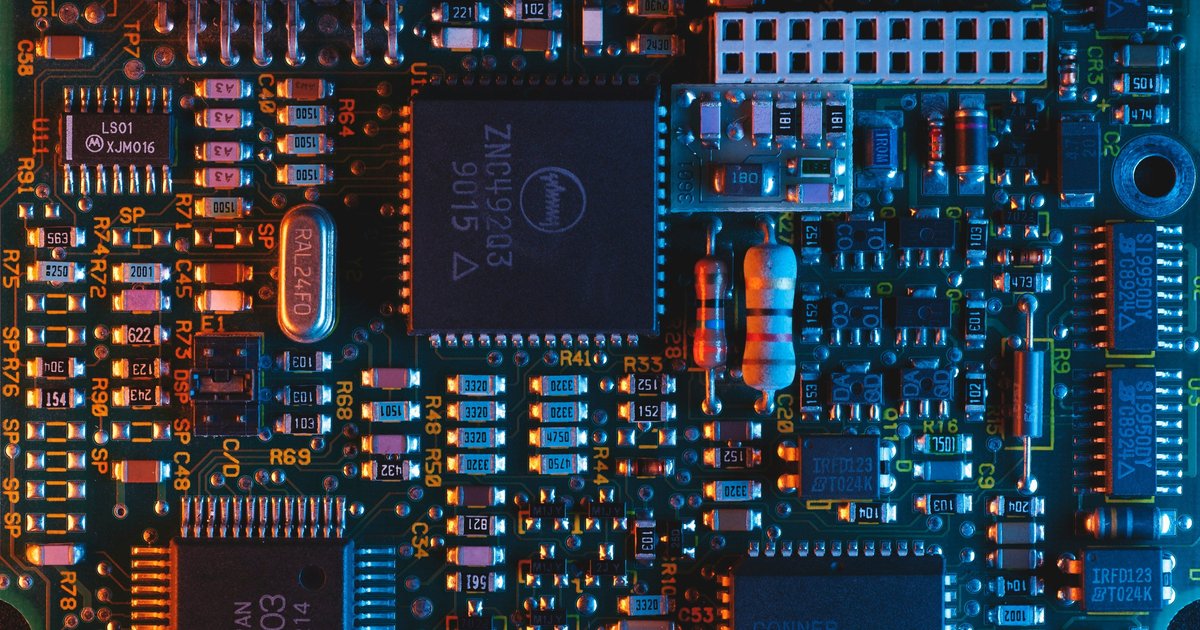
Printed Circuit Boards (PCBs) are emerging as a critical disruption point for manufacturers globally as the conflict in the Middle East strains electronic supply chains. The war involving Iran has curtailed supplies of key raw materials and driven a sharp increase in PCB prices.
At the center of the disruption is the supply of high-purity polyphenylene ether resin, a critical input in PCB laminate production. An early-April strike on Saudi Arabia's Jubail petrochemical complex halted output and significantly tightened global availability. The site is operated by SABIC, which accounted for around 70% of global supply of this material. As S&P Global's Kurt Barrow notes, this is a shock to the system for nations and companies. Logistics constraints in the Gulf are compounding the issue, extending lead times and adding uncertainty to procurement strategies.
Industry estimates suggest PCB prices rose by as much as 40% between March and April alone. Prices had already been climbing since late 2025 on rising AI infrastructure demand, and accelerated sharply in recent weeks. With cloud providers and hyperscalers continuing to invest in AI, demand for high-end PCBs remains strong, and many buyers signal willingness to absorb further cost increases anticipating long-term shortages. The global PCB market is projected to reach $95.8 billion in 2026, growing more than 12% annually.
Manufacturers are adjusting strategies. South Korea's Daeduck Electronics — a key supplier to firms including Samsung Electronics, SK Hynix and AMD — has begun discussions with customers regarding price increases. Executives say procurement priorities have shifted toward securing raw materials rather than meeting delivery schedules. Epoxy resin lead times have stretched from 3 weeks to 15 weeks, and shortages of glass fiber and copper foil are compounding the cost pressure. Copper foil — which accounts for around 60% of total PCB material costs — is up as much as 30% this year; suppliers warn that continued Middle East disruption could drive further increases across resin and metal inputs.
Key Takeaways:
1. The Iran conflict has triggered a sharp shock in the global PCB supply chain.
2. An early-April strike on SABIC's Jubail facility hit 70% of polyphenylene ether supply.
3. PCB prices rose up to 40% just between March and April.
4. Daeduck Electronics (a Samsung, SK Hynix, AMD supplier) is in price-rise talks with customers.
5. Epoxy resin lead times stretched from 3 to 15 weeks; copper foil is up 30% this year.

