

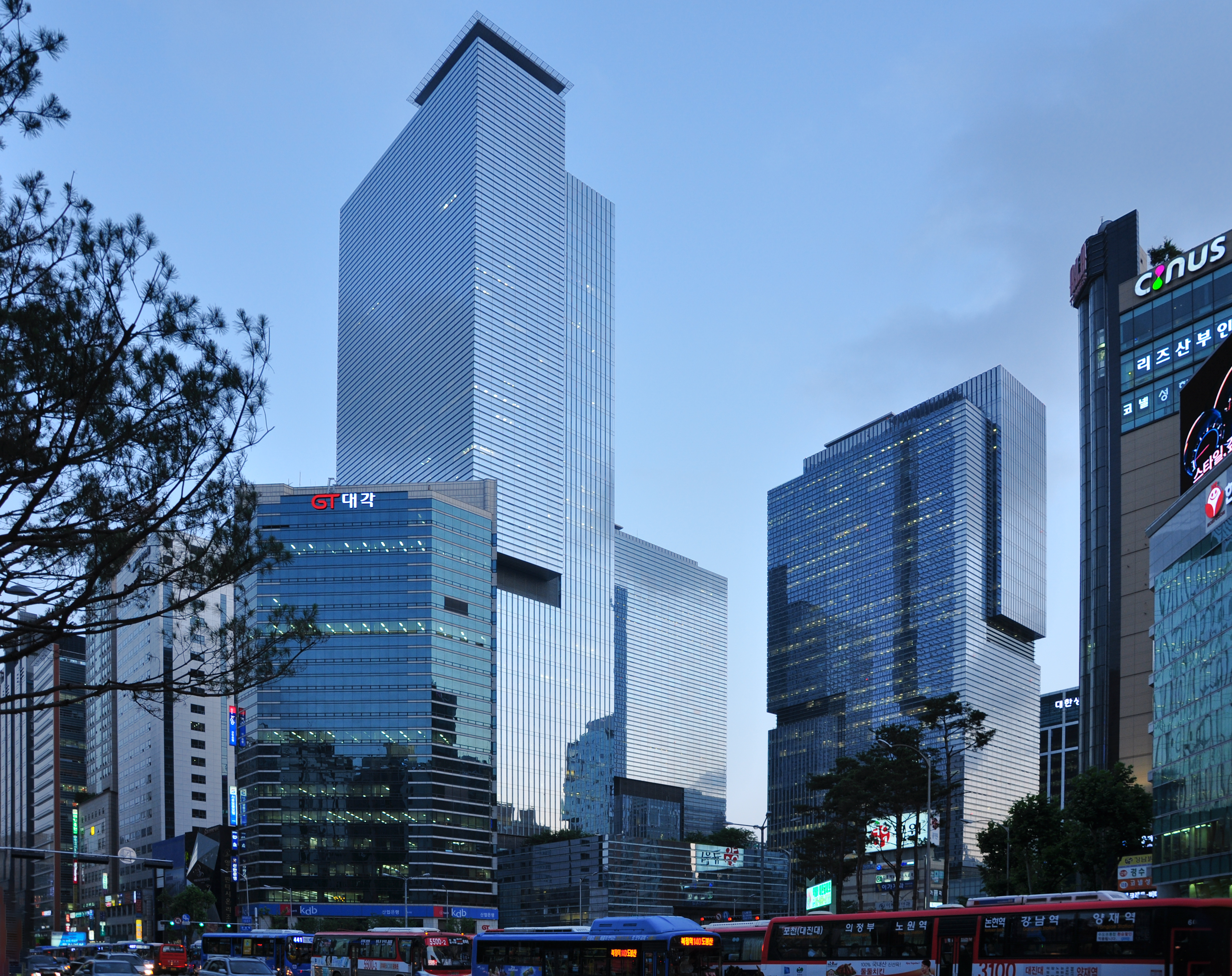
Samsung Electronics and its largest union failed to reach a wage and bonus agreement after two days of marathon negotiations that concluded on Tuesday, May 12. The union is demanding that 15 percent of operating profit be allocated to the bonus pool with the existing cap removed and the formula institutionalized, while management advocates maintaining the existing flexible Overall Performance Incentive scheme. As of early May, more than 40,400 of the union's 73,000 members had signaled they would join the May 21 strike.
Comparisons to rival SK Hynix are fueling union demands. SK Hynix workers reportedly received bonuses approaching $900,000 to $1 million in 2025, and market analysts project Samsung's 2026 operating profit at roughly 300 trillion won (approximately $205 billion); under the union's formula, this would translate to per-employee bonuses approaching $408,000 in the semiconductor division. According to the Financial Times, the two sides are close to agreeing on an allocation of 13% of operating profit, which works out to be roughly $340,000 per employee, but the union remains firm on its 15% demand and permanent bonus guarantee.
Production disruption costs could reach billions of dollars. A single-day action in April resulted in Samsung's memory fab output falling 18% on the night shift and its contract foundry output dropping 58%. Prof. Kwon Seok-joon of Sungkyunkwan University told the Financial Times that an 18-day action could cost Samsung somewhere between $6.9 billion and $11.7 billion in direct losses, with an even larger amount in indirect costs. JPMorgan Chase estimated the dispute could reduce Samsung Electronics' annual operating profit by more than 40 trillion won. According to KB Securities, a prolonged walkout could disrupt 3 to 4 percent of global DRAM supply and 2 to 3 percent of NAND flash supply, with restoration of production lines requiring an additional two to three weeks beyond the 18-day strike itself.
Global supply chain confidence and South Korea's economic standing at risk. The American Chamber of Commerce in Korea said Monday that a looming strike at Samsung Electronics could send shock waves through global supply chains, and any prolonged disruption could squeeze global memory supply, potentially exacerbating bottlenecks, price swings and broader supply chain uncertainty. The labor dispute at Samsung Electronics, the world's largest memory chip maker and South Korea's most valuable company, has raised concerns that a walkout could disrupt production and upend the semiconductor supply chain as well as hurt the broader economy as a whole. About 1,700 suppliers are expected to take a hit to their revenue, and the regional economy could be shaken as semiconductor production halts.
A rarely used government tool has entered the conversation: under Article 76 of the Trade Union and Labor Relations Adjustment Act, the labor minister can issue an emergency arbitration order when industrial action poses a serious risk to the national economy or citizens' daily lives; the order suspends strike activity for 30 days and triggers a fresh round of commission-led mediation and binding arbitration. If postmediation collapses, attention shifts to the Suwon District Court, which will hold a second hearing Wednesday on Samsung's injunction request to restrict strike action; a ruling is expected as early as Thursday or Friday, ahead of the planned walkout. Note: This summary draws on SupplyChainBrain's publicly visible headline + subhead + opening paragraph and on sector background on semiconductor labor disputes.
Key Takeaways:
1. Two-day government-mediated talks between Samsung Electronics and its unions failed; union demands 15% of operating profit as bonuses, management offered around 13%.
2. An 18-day strike starting May 21 risks $6.9-11.7 billion in direct losses and 40 trillion won operating profit decline; could disrupt 3-4% of global DRAM supply.
3. A single-day April action saw memory output drop 18% and foundry output plunge 58%; production line restoration could take 2-3 weeks post-strike.
4. Around 1,700 suppliers face revenue hit risk; AmCham Korea warned strike could send shock waves through global supply chains.
5. South Korea government considering emergency arbitration order; Suwon court to rule on Samsung's strike restriction request May 13-14.

