

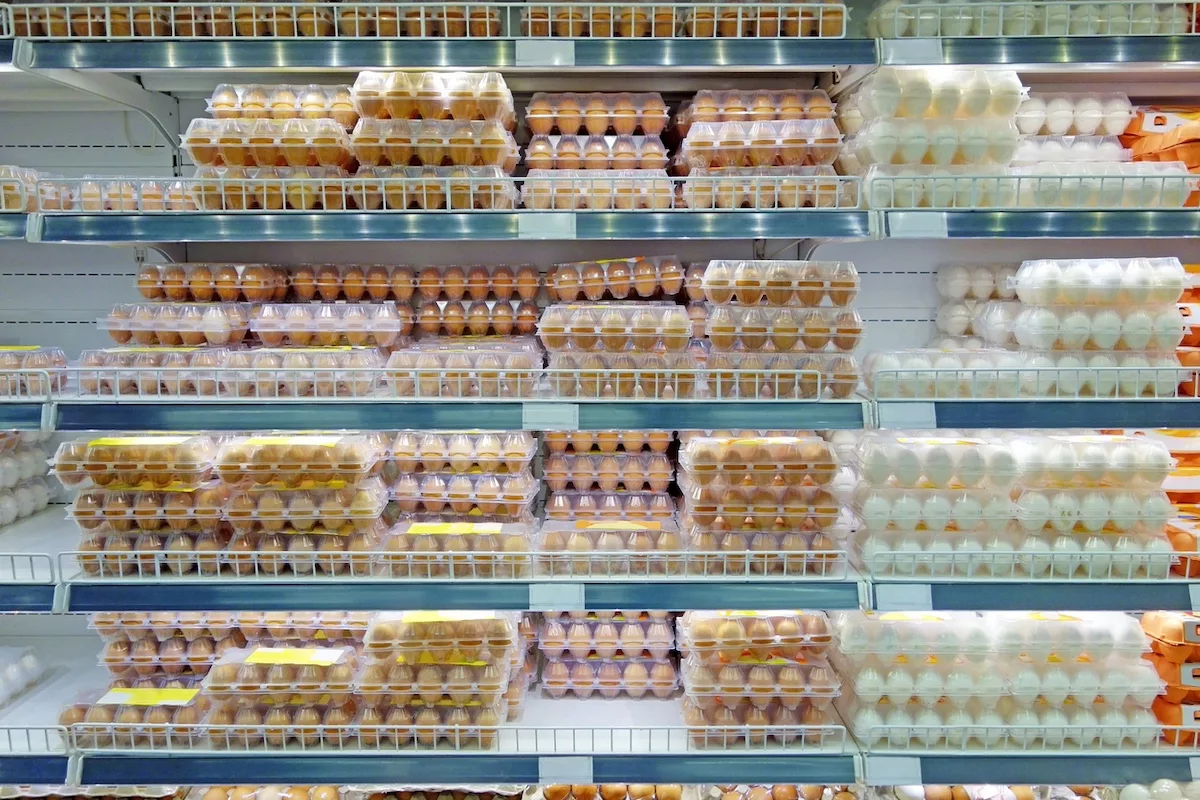
SupplyChainBrain reports; analyst insight; U.S. Department of Agriculture (U.S. Department of Agriculture; USDA); states that supply chain challenges for eggs in grocery stores have “substantially improved” — as wholesale prices have declined ahead of the Easter holiday. In an egg market overview published on March 28, the USDA reports that consumers are “once again seeing fully stocked shelves and enjoying a range of choices without purchase restrictions.” The average wholesale price for a dozen eggs declined 8 percent between March 21–28 — and is down 63 percent from late-February record highs. However, the USDA notes that consumers are only beginning to see recently declining retail prices. The HPAI (Highly Pathogenic Avian Influenza) outbreak is receding.
From a supply chain perspective, the U.S. Department of Agriculture (USDA); Brooke Rollins Secretary (Trump 2.0); Animal and Plant Health Inspection Service (APHIS; the principal authority on HPAI); Agricultural Marketing Service (AMS; egg market reporting); Food Safety and Inspection Service (FSIS); Economic Research Service (ERS); are the principal U.S. federal agricultural authorities. Major egg producers in the U.S. include Cal-Maine Foods (Sherman Miller CEO; Ridgeland Mississippi; market leader — 20% of U.S. production); Rose Acre Farms; Daybreak Foods; Versova Holdings; Hillandale Farms; MPS Egg Farms; Hickman's Egg Ranch; Center Fresh Group; Sparboe Farms; Trillium Farm Holdings. United Egg Producers (UEP); American Egg Board; are the principal U.S. egg sector organizations. Vital Farms (Russell Diez-Canseco CEO; pasture-raised expertise); NestFresh; Eggland's Best; are the principal premium egg brands.
From a supply chain perspective, the HPAI H5N1 outbreak in the U.S. during 2022–2025 is the worst avian influenza outbreak in history — with an estimated 168+ million poultry culled (according to USDA APHIS data) — with the egg-laying sector being the hardest hit segment. The Avian Influenza Indemnity Program is the U.S. federal compensation mechanism. At the beginning of 2025, the U.S. average retail price for a dozen eggs rose to $8.05 (February 2025 record; according to BLS CPI data). The USDA has signed import agreements with Türkiye; Brazil; South Korea — to close the supply gap. Postobon (Colombia); Avipal (Brazil); are principal import suppliers. Major egg distributors in the U.S. include Sysco; US Foods; PFG; GFS; the principal foodservice channel players. Major U.S. retail egg buyers include Walmart; Kroger; Costco; Albertsons; Ahold Delhaize (Stop & Shop; Food Lion); Publix; Wegmans; Whole Foods (Amazon); the principal chains.
From a supply chain perspective, the principal HPAI biosecurity measures include: (1) visitor control; (2) downtime (clothing change) requirements; (3) food/water contamination prevention; (4) isolation from wild birds; (5) cleaning and disinfection (C&D) protocols; (6) quarantine zones; the principal measures. USDA APHIS National Veterinary Services Laboratories (NVSL); Iowa State University; University of Georgia; are the principal HPAI diagnostic laboratories. HPAI vaccine development is coordinated by the USDA Center for Veterinary Biologics — however, there is no approved HPAI vaccine for commercial use in the U.S. (due to export market impacts). The European Union (EFSA); OIE (World Organization for Animal Health; now WOAH); are the principal global animal health authorities. The FAO (Food and Agriculture Organization); is the principal UN agricultural authority. Principal egg consumption trends in the U.S. include: (1) cage-free; (2) pasture-raised; (3) organic; (4) liquid eggs; (5) egg whites (high protein); the principal segment trends. In conclusion, the USDA's egg supply recovery report suggests that global agricultural supply chain fragility is being fundamentally redesigned — with biosecurity, alternative protein sources, and import diversification appearing as principal strategic priorities for supply chain managers.
Key Points:
1. The USDA reports that egg supply chain challenges have “substantially improved.”
2. Wholesale prices are down 63 percent from February records; retail price declines are only now beginning.
3. HPAI H5N1 has resulted in 168+ million poultry culled in the U.S. during 2022–2025.
4. Cal-Maine Foods is the U.S. market leader (20% of production).
5. The USDA is closing the supply gap through imports from Türkiye; Brazil; South Korea.

