

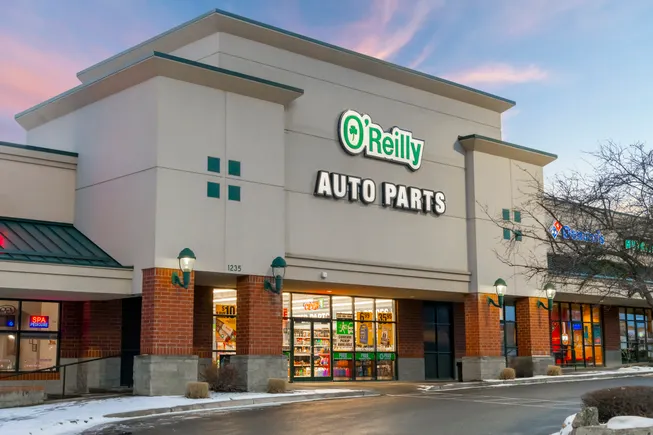
O'Reilly Auto Parts is taking significant steps to diversify its supplier base and mitigate supply chain risks by strengthening its private label strategy. CEO Brad Kirby told analysts that the store-branded product portfolio significantly broadens sourcing capabilities, allowing the company to work with multiple suppliers for the same SKU while maintaining consistent quality, form, fit and finish. This strategy is part of a larger push to seek alternative sourcing options and mitigate higher costs amid emerging supply constraints.
Kirby emphasized that O'Reilly's strong supplier relationships play a critical role, particularly during challenging situations surrounding international trade and geopolitics. The company is closely monitoring the Iran war and its potential impact on the supply chain, with particular attention to motor oil supply. While some pricing pressure has emerged within the supplier base, O'Reilly's merchandise teams have already been working proactively with oil suppliers to mitigate the issue. Kirby stated that the company has yet to see any material impact on Q1 results and has not adjusted its full-year outlook.
The retailer continues its strategy of assessing supplier health, including evaluating shipping performance and product quality. Last year, O'Reilly began systematically monitoring these metrics as part of its supplier management approach. Supplier diversification has been a longtime goal, and this strategy has proven particularly valuable as a shield against recent tariffs, strengthening the company's supply chain resilience.
The private label strategy has become an important trend not only for O'Reilly but for many retailers as affordability concerns continue to shape consumer behavior. According to Circana statistics published by the Private Label Manufacturers Association, private label product sales in the U.S. were up 3.3% in 2025 compared to 2024, setting a record high. Costco has been pursuing a similar strategy, leaning into its Kirkland Signature brand and ramping up domestically sourced items. The company has launched more than 30 new Kirkland Signature products to provide alternatives to goods impacted by tariffs.
O'Reilly Auto Parts' private label-focused strategy offers an important example of how retailers can remain agile and resilient during periods of supply chain uncertainty. The company's multi-source procurement approach and strong supplier relationships provide competitive advantages in both cost control and product availability.
Key Takeaways:
1. O'Reilly Auto Parts is diversifying its supplier base by expanding its private label portfolio, gaining flexibility to source the same product from multiple suppliers.
2. The company is monitoring potential impacts of the Iran war on motor oil supply, though no material impact has been seen on Q1 results.
3. O'Reilly leverages its supplier health assessment strategy and strong supplier relationships as a shield against recent tariff impacts.
4. Private label product sales in the U.S. rose 3.3% in 2025 to a record high, supported by consumer demand for affordability.
5. Costco is pursuing a similar strategy, investing in its Kirkland Signature brand and launching over 30 new products to provide alternatives to tariff-impacted goods.
[819729]

