

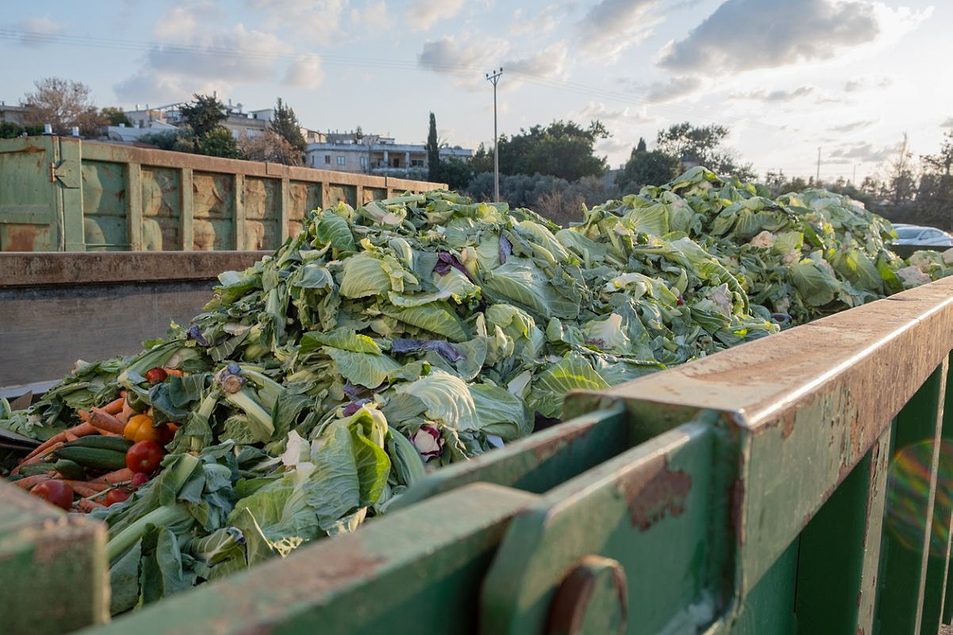
While food waste remains one of the supply chain's most persistent environmental problems, AI-driven demand forecasting and connected planning systems are starting to deliver tangible results. Globally, food waste and loss account for 8-10% of total greenhouse gas emissions. RELEX Solutions' customers collectively prevented more than one billion pounds (450+ million kilograms) of food waste in 2025, a 34% increase over the prior year. In 2024, RELEX customers prevented 350 million kilograms of food waste. An Avery Dennison and Cebr study of 3,500 global retail leaders forecasts that food waste costs across the supply chain will reach $540 billion in 2026.
Granular forecasting at the store and SKU level is becoming the key to waste reduction. When forecasting accounts for shelf life, batch expiration, local demand patterns, and price sensitivity, the accuracy of replenishment decisions improves significantly. Pilot studies validated across multiple independent sources show that AI solutions led to an average 14.8% food waste reduction per store; if the entire grocery sector were to implement these solutions, an estimated 907,372 tons of food waste could be prevented annually, representing over $2 billion in financial benefits. A major online grocery retailer achieved a 49% decrease in food waste through AI-driven demand forecasting, while a leading regional supermarket chain reduced spoilage by 20% in fresh items through intelligent replenishment systems.
Data visibility and measurement capabilities are rapidly improving. According to the U.S. Food Waste Pact, the share of unsold food items categorized as "unknown" dropped from 27% to 15% in a single year, meaning retailers are getting a better handle on tracking what happens to unsold products. However, transit remains a significant blind spot: 56% of companies report they do not have a clear understanding of how much food waste happens when goods are being transported. Leading retailers like Walmart are expanding RFID into meat, bakery, and deli departments to improve freshness tracking, reduce unsold food, and streamline replenishment.
Connected planning systems are strengthening collaboration across the supply chain. In organizations where merchandising, supply chain, and store operations teams work from different data sets, the merchandising team may not be weighing the waste consequences of promotional and assortment decisions. AI-powered shared forecasting platforms enable retailers, distributors, and suppliers to work from the same forecast, allowing them to right-size everything from processing to packaging and transportation. As of 2026, the U.S. is seeing meaningful progress, with a 2.2% reduction in total surplus food from 2023 to 2024, marking an inflection point and growing optimism that "peak food waste" has passed.
Note: This summary draws on SupplyChainBrain's publicly visible headline + subhead + opening paragraph and on sector background on food waste and AI technologies.
Key Takeaways:
1. Food waste accounts for 8-10% of global GHG emissions, with supply chain costs forecast to reach $540 billion in 2026
2. AI-driven demand forecasting delivers average 14.8% per-store food waste reduction; some implementations achieve up to 49% gains
3. Share of 'unknown' unsold food in U.S. dropped from 27% to 15% in one year, though transit remains major blind spot at 56% visibility gap
4. RELEX Solutions customers prevented 450+ million kg of food waste in 2025 (34% year-over-year increase)
5. U.S. total surplus food declined 2.2% from 2024 to 2026, signaling we've moved beyond 'peak food waste'

