

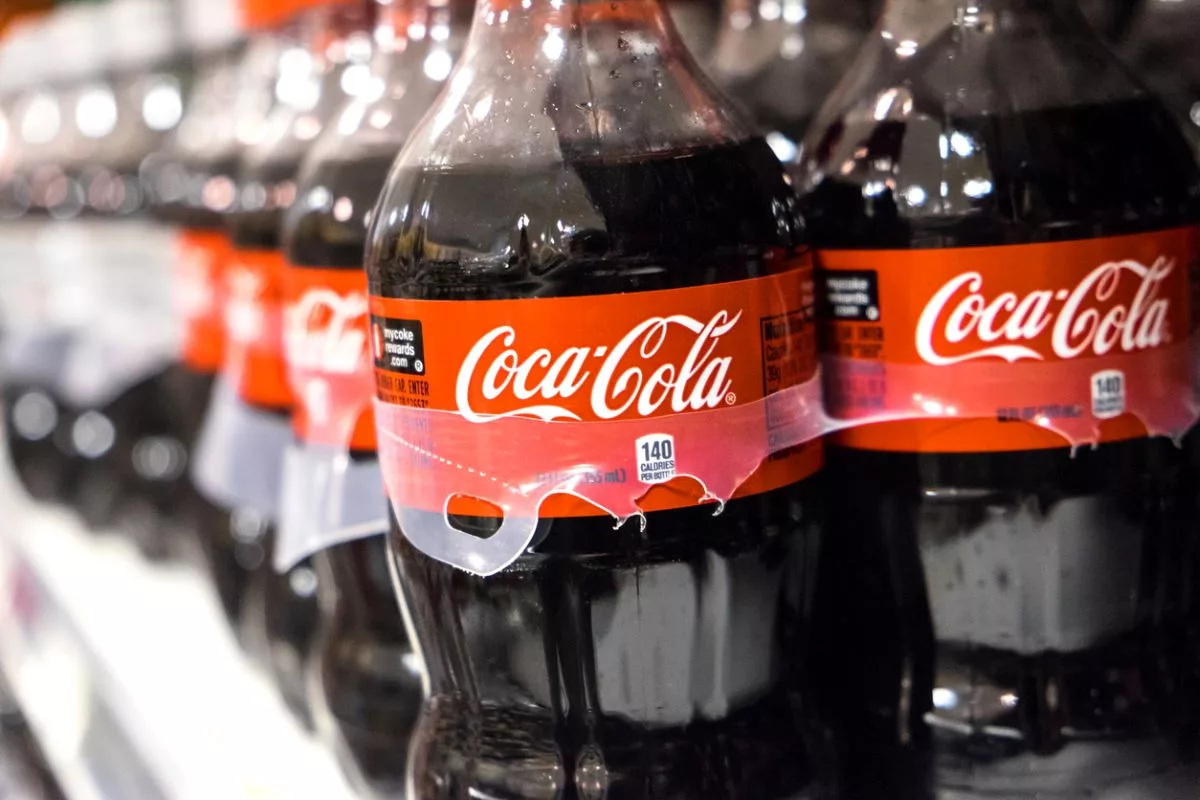
SupplyChainBrain reports; U.S. agricultural industry; Coca-Cola's rumored transition from high-fructose corn syrup (HFCS; High-Fructose Corn Syrup) to real cane sugar for beverages sold in the U.S.; is warning could jeopardize the nation's corn farmers. In a statement dated July 16; John Bode; President of the Corn Refiners Association; took a critical approach to Coca-Cola's potential switch to cane sugar — claiming it "doesn't make sense." "Replacing high-fructose corn syrup with cane sugar would cause thousands of American food manufacturing jobs to be lost; reduce farm income and increase foreign sugar imports with no nutritional benefit" Bode said. The reaction came in response to a post shared by President Donald Trump on July 16 to the Truth Social platform — saying he was in talks with Coca-Cola about switching to cane sugar — and stating "they have agreed to do it." Coca-Cola; initially said it appreciated the president's enthusiasm — then in a follow-up statement on July 17 — defended its use of HFCS.
From a supply chain perspective The Coca-Cola Company; based in Atlanta Georgia; is the world's largest beverage company — James Quincey; is Chairman & CEO. Coca-Cola operates Diet Coke; Coke Zero Sugar; Sprite; Fanta; Dasani; Smartwater; Powerade; Minute Maid; Simply; Fairlife; Costa Coffee; Topo Chico; Honest Tea; among its core brands. In the U.S.; Coca-Cola has traditionally used HFCS — using cane sugar in Mexico and the UK — which became known as "Mexican Coke." The Corn Refiners Association (CRA); based in Washington DC; represents the U.S. corn refining sector — John Bode is President & CEO. Archer Daniels Midland (ADM; Chicago Illinois); Cargill (Minneapolis Minnesota); Ingredion (Westchester Illinois); Tate & Lyle (London UK); are primary HFCS producers. Pepsi (PepsiCo; Purchase NY — Ramon Laguarta CEO); Dr Pepper Snapple (Keurig Dr Pepper; Burlington MA/Plano TX); are primary competitors.
From a supply chain perspective the U.S. corn sector is the world's largest with annual production of 14-15 billion bushels — Iowa; Illinois; Nebraska; Minnesota; Indiana; South Dakota; Kansas; Ohio; Missouri; Wisconsin; are the primary Corn Belt states. HFCS was discovered in the 1970s by Japanese scientists (Yoshiyuki Takasaki; Agricultural Research Institute; Tokyo) using enzyme technology — it is a liquid sweetener derived from corn — with primary uses in beverages; bread; sauce; jam; and candy. U.S. sugar production is based on sugar beets (sugar beet; Minnesota; North Dakota; Idaho; Michigan) and sugar cane (sugar cane; Florida; Louisiana; Hawaii; Texas) — but does not meet domestic demand — imports from Brazil; Mexico; Australia; Thailand; India; Philippines; Guatemala; are made through the Tariff Rate Quota (TRQ) system. The USDA (U.S. Department of Agriculture); with Brooke Rollins as Secretary; and the FDA (Food and Drug Administration); with Marty Makary as Commissioner; are the primary regulators. HFCS-55 (55% fructose; for beverages) and HFCS-42 (42% fructose; for food) are the primary commercial types.
From a supply chain perspective the Make America Healthy Again (MAHA) movement; led by HHS Secretary Robert F. Kennedy Jr.; is calling for conservative reforms on HFCS; ultra-processed foods; food dyes; pesticides; and vaccines — creating pressure for structural change in the food industry. Coca-Cola's potential transition of its U.S. beverage line from HFCS to cane sugar would carry: (1) an economic blow to corn farmers in Iowa; Illinois; Nebraska; (2) an opportunity for cane sugar exporters in Brazil; Mexico; India; (3) upward pressure on global sugar prices; (4) certain support for the U.S. sugar beet (sugar beet) sector; (5) reforms in HFCS food labeling; as major consequences. The American Sugar Alliance; U.S. Sugar Corporation; American Sugar Refining (Domino Sugar); Imperial Sugar; are primary representatives of the U.S. sugar sector. The Sugar Association has long campaigned against HFCS — with Gluconolactone; Stevia; Allulose; Erythritol; Monk Fruit; among the primary natural low-calorie sweetener alternatives. Aspartame; Sucralose; Acesulfame K; Saccharin; are the primary artificial sweeteners. In conclusion the Trump-Coca-Cola-RFK Jr. sweetener debate signals structural change pressure in U.S. agricultural and food supply chain policy — its impact appears to be decisive in the medium and long term on farm income; beverage pricing and import balances.
Key Points:
1. John Bode (Corn Refiners Association) objects to Coca-Cola's switch to cane sugar.
2. Trump announced on July 16 on Truth Social that Coca-Cola agreed to the switch.
3. Coca-Cola released a statement on July 17 defending its use of HFCS.
4. RFK Jr. (HHS Secretary) has long opposed HFCS.
5. "Mexican Coke" is the version of Coca-Cola that uses cane sugar.

