

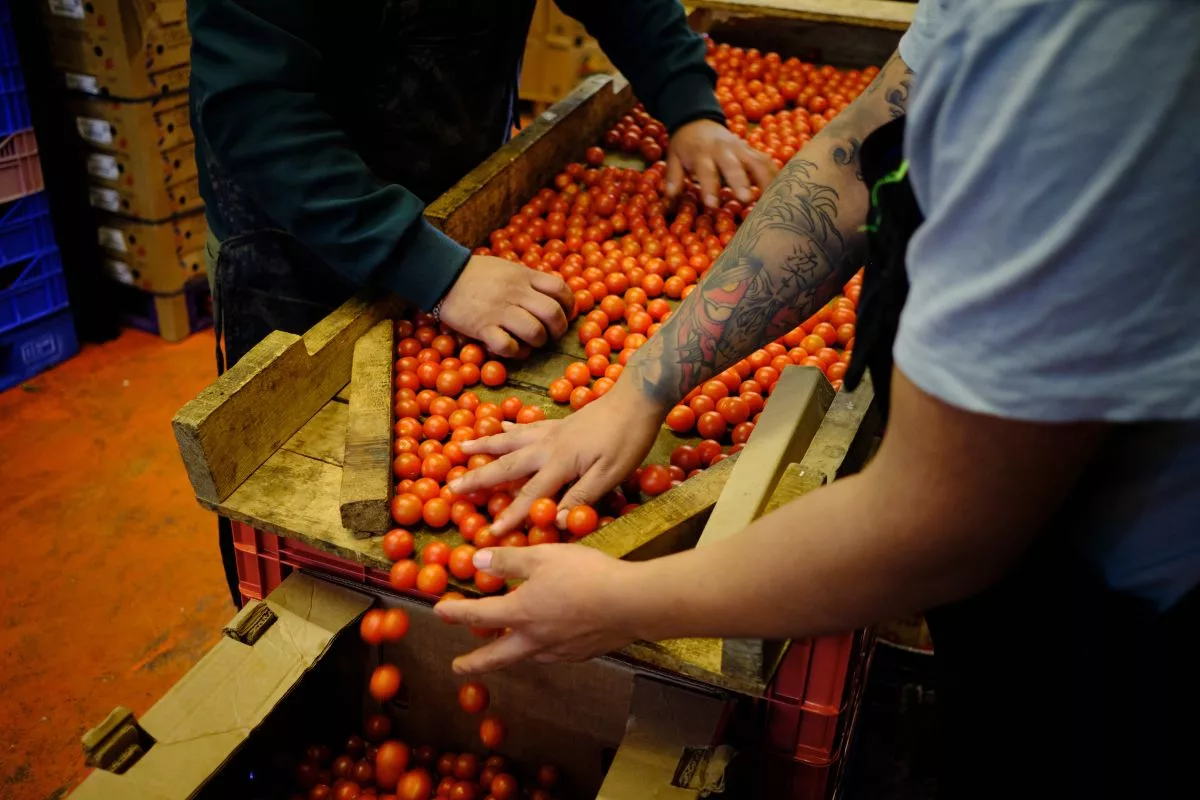
Bloomberg reports that Mexico is setting minimum prices for fresh tomato exports to the U.S. — seeking to regain full market access following the Trump administration's anti-dumping duty implementation. The price floor is designed to avoid creating "distortion" in tomato export prices, according to a decree published by the Mexican government in the federal gazette on the evening of August 8. U.S. producers have accused Mexican counterparts of unfairly selling at depressed prices — and the U.S. is withdrawing from a trade agreement regulating exports this year. While the U.S. Commerce Department announced duties exceeding 17% in July, President Donald Trump delayed a sweeping tariff increase by 90 days to create room for a trade deal with Mexico. "The Mexican government is helping producers prevent future increases in anti-dumping duties," said Georgina Felix, operations director of the Arizona and Florida Tomato Exchange.
From a supply-chain perspective, Mexico is the world's largest fresh tomato exporter — shipping over $2.5 billion annually to the U.S. — and supplies approximately 70% of the U.S. fresh tomato market. Sinaloa, Baja California, San Luis Potosí, Jalisco, Michoacán, Sonora, and Querétaro are Mexico's primary tomato production regions. The Tomato Suspension Agreement (TSA), signed in 1996 and renewed in 2002, 2008, 2013, and 2019, establishes minimum entry prices for Mexican tomatoes into the U.S. and suspends anti-dumping investigations. The U.S. Department of Commerce (DOC), through the International Trade Administration (ITA), withdrew from the TSA on July 14, 2025, implementing a 17.09% anti-dumping duty. Robert Guenther, Executive Vice President of the Florida Tomato Exchange, represents U.S. tomato producers. The USMCA (United States-Mexico-Canada Agreement), the 2020 successor to NAFTA, governs agricultural trade but does not prevent anti-dumping and subsidy actions.
From a supply-chain perspective, U.S.-Mexico agricultural trade exceeds $70 billion annually, with vegetables, fruits, grains, meat, and beverages as primary trade categories. Mexico's main fresh exports to the U.S. include tomatoes, avocados, strawberries, raspberries, peppers, cucumbers, squash, mangoes, and cherries. The U.S. exports corn, soybeans, dairy products, poultry, beef, and rice as main shipments to Mexico. The U.S. Department of Agriculture (USDA), Foreign Agricultural Service (FAS), Animal and Plant Health Inspection Service (APHIS), and Agricultural Marketing Service (AMS) are the primary U.S. agricultural regulators. SADER (Secretaría de Agricultura y Desarrollo Rural), SE (Secretaría de Economía), and SENASICA (Servicio Nacional de Sanidad, Inocuidad y Calidad Agroalimentaria) are Mexico's primary agricultural regulators. Trump 2.0 tariff policy is expanding beyond Liberation Day (April 2, 2025) toward Mexico, China, Canada, and the EU — affecting many product categories including agriculture.
From a supply-chain perspective, Mexico's leading agricultural exporters include Grupo Bafar, NatureSweet Tomatoes, Driscoll's, SunFed, Del Campo Supreme, Mastronardi Produce, Houweling's Tomatoes, Eurofresh Farms, Wholesum Family Farms, and Andrew & Williamson Fresh Produce — the primary Mexican tomato exporters to the U.S. — most of which are integrated with distribution centers in the U.S. U.S. tomato production centers in Florida (Immokalee, Ruskin, Palmetto), California (Central Valley, Salinas Valley), Ohio, Michigan, and Pennsylvania cannot compete on price with Mexico due to climate, labor, and land cost disadvantages. Major fresh tomato categories include greenhouse (protected cultivation), hydroponics, vine-ripened, cherry, grape, roma, beefsteak, and heirloom varieties. In conclusion, Mexico's minimum-price decision represents a diplomatic step to ease ongoing trade tensions with the U.S. — but structural differences in the two nations' agricultural trade policies will remain a continuous negotiating point during the Trump 2.0 era.
Key Takeaways:
1. Mexico sets minimum prices for fresh tomato exports to the U.S.
2. U.S. Commerce Department implements 17.09% anti-dumping duty in July.
3. Trump delays sweeping tariff increases for 90 days to create room for a trade deal.
4. Mexico supplies approximately 70% of the U.S. fresh tomato market.
5. Tomato Suspension Agreement (1996) is terminated on July 14, 2025.

