

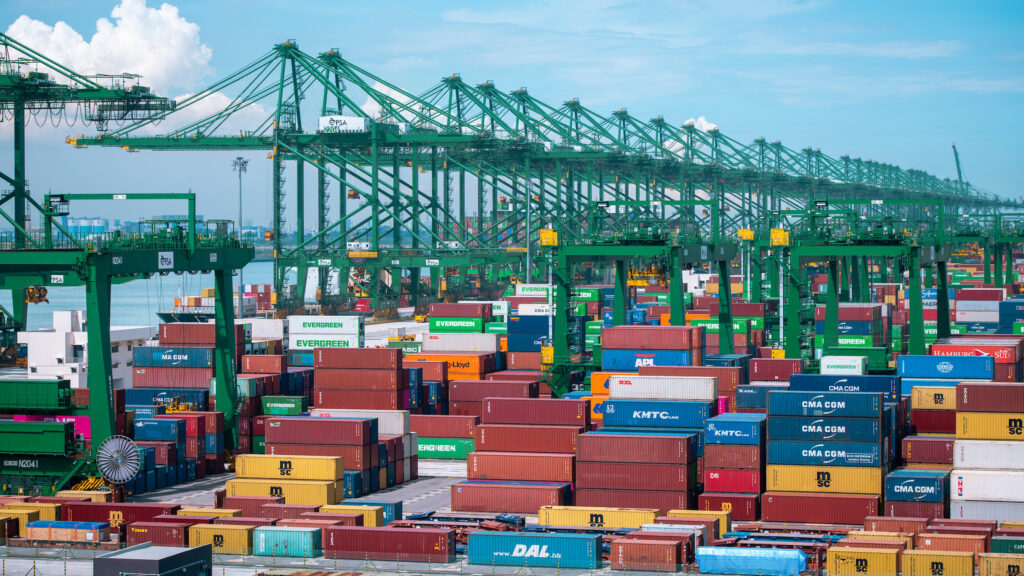
The United Nations Conference on Trade and Development (UNCTAD) and the Maritime and Port Authority of Singapore (MPA) have launched a new partnership aimed at accelerating the shift toward more sustainable, resilient and inclusive global maritime transport. Ports play a critical role in global trade and economic development, handling more than 80 per cent of worldwide trade volumes. However, they remain highly energy-intensive and heavily dependent on fossil fuels.
As the push for decarbonisation and modernisation intensifies, countries are increasingly challenged to cut emissions while preserving efficiency and competitiveness. The agreement marks a significant step in UNCTAD's ongoing collaboration with Singapore, a major global maritime hub and long-standing partner in advancing trade and transport solutions. Pedro Manuel Moreno, Acting Secretary-General of UNCTAD, stated: "This partnership brings together Singapore's operational excellence and UNCTAD's global development expertise."
The cooperation aims to support capacity building in port infrastructure modernisation, alternative fuel transition and digital trade facilitation, particularly for Small Island Developing States (SIDS) and Least Developed Countries (LDCs). According to UNCTAD's 2024 Review of Maritime Transport, the average age of the world fleet is approaching 22 years, while the renewal investment needed to reduce global maritime CO2 emissions requires multilateral financing and technical assistance frameworks aligned with the IMO's 2050 net-zero target.
Key Takeaways:
1. UNCTAD and MPA Singapore launched a sustainable maritime transition partnership.
2. Ports handle over 80 per cent of global trade volumes and remain highly energy-intensive.
3. UNCTAD Acting Secretary-General Pedro Manuel Moreno highlighted the complementary strengths.
4. Cooperation targets capacity building for port modernisation in SIDS and LDC nations.
5. World fleet average age approaches 22 years; renewal investment needs multilateral finance.

