

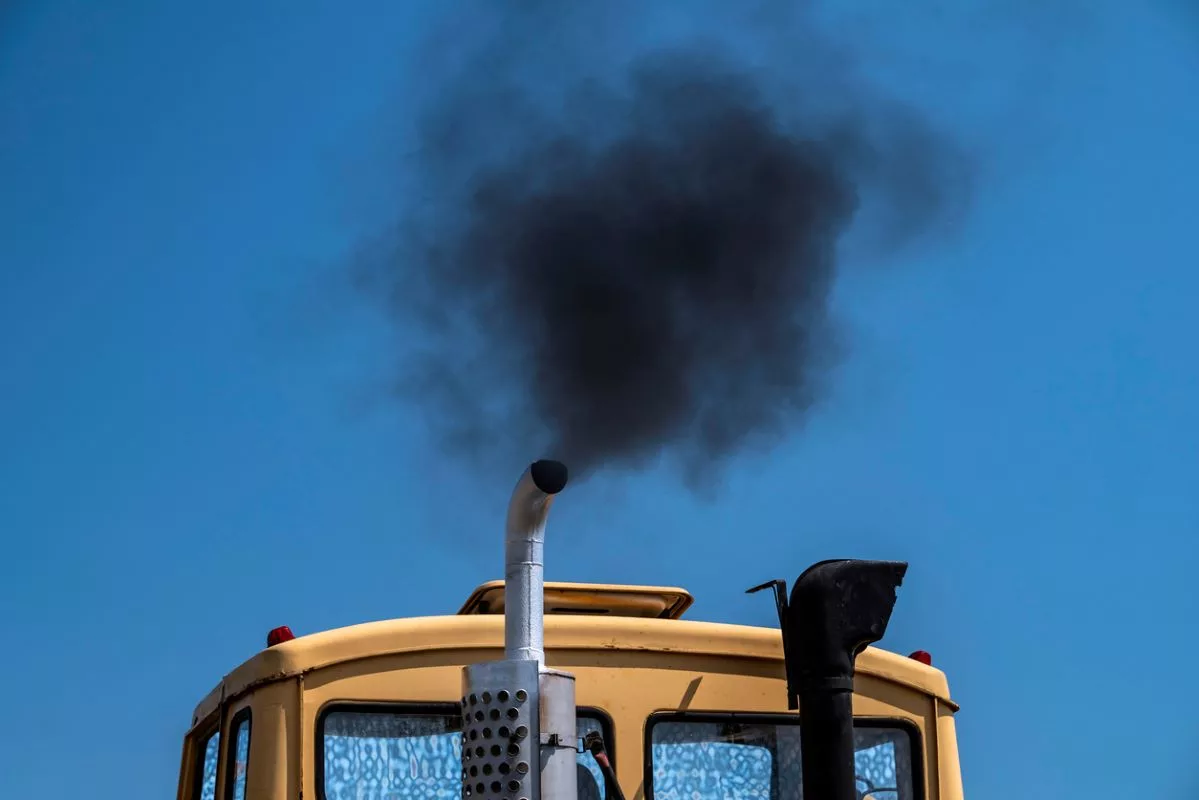
Port of Los Angeles has released figures demonstrating progress in reducing pollution from all sources moving cargo through its gateway. The Port Authority's Inventory of Air Emissions, released on 16 October, reports that despite experiencing a 19% year-over-year increase in container volume in 2024, the port achieved its best year on record for reducing emissions per container. The port states that since 2005, it has reduced total diesel particulate matter (DPM) emissions by 90%, sulfur oxides (SOx) by 98%, and nitrogen oxides (NOx) by 73%. DPM emissions per 10,000 containers have declined significantly. From a supply chain perspective, Port of Los Angeles (PoLA) is the largest U.S. container port globally, located in San Pedro Bay, California, and operates alongside neighboring Port of Long Beach (PoLB) as the San Pedro Bay Port Complex. PoLA handles 9–10 million TEU containers annually. Gene Seroka is PoLA's Executive Director, having served since 2014.
From a supply chain perspective, the San Pedro Bay Port Complex is the primary gateway for imports from Asia globally, handling more than 30% of U.S. container import volume. Port of Long Beach moves 8–9 million TEU annually. Mario Cordero is PoLB's CEO. Other major U.S. container ports include Port of New York and New Jersey (PANYNJ; 9–10 million TEU), Port of Savannah Georgia (GPA; 5–6 million TEU), Port of Houston (Port Houston; 4 million TEU), Port of Norfolk Virginia (Port of Virginia; 3–4 million), Port of Charleston South Carolina, Port of Seattle-Tacoma (NWSA; Northwest Seaport Alliance), Port of Oakland, Port of Miami (PortMiami), Port Everglades Florida, Port of Baltimore, Port of Philadelphia (PhilaPort), Port of Jacksonville (JAXPORT), Port of New Orleans, and Port of Mobile Alabama, forming a major port network. The Clean Air Action Plan (CAAP) is the emissions reduction roadmap launched by San Pedro Bay ports in 2006, with targets of zero-emission terminal equipment by 2030 and zero-emission drayage trucks by 2035.
From a supply chain perspective, port emission sources fall into five main categories: OGV (Oceangoing Vessel; main engine + auxiliary engine + boiler), HC (Harbor Craft; tugs, pilot boats), CHE (Cargo Handling Equipment; RTG, RMG, top handlers, side pickers, terminal tractors, yard tractors), HDV (Heavy Duty Vehicle; drayage trucks), and locomotives. Shore power (cold ironing; AMP; Alternative Maritime Power) supplies electricity to ships at the dock, eliminating the need to burn bunkered fuel. VSR (Vessel Speed Reduction) enforces a 12-knot speed limit to reduce ship emissions. Green ship incentive programs offer discounted port fees for low-emission vessels. CARB (California Air Resources Board) regulations including Advanced Clean Trucks, Advanced Clean Fleet, and Drayage Truck Regulation are among California's main emission standards. San Joaquin Valley and South Coast Air Basin rank among the most stringent air quality jurisdictions globally.
From a supply chain perspective, global port decarbonization initiatives include green port certifications, EcoPorts, PERS (Port Environmental Review System), Green Marine (North America), and WPCAP (World Ports Climate Action Program). Leading global container ports include Port of Rotterdam (Europe's largest), Port of Antwerp-Bruges, Port of Hamburg, Port of Singapore (PSA), Port of Shanghai (the world's largest at 49 million TEU annually), Port of Ningbo-Zhoushan, Port of Shenzhen, Port of Guangzhou, Port of Qingdao, Port of Tianjin, Port of Hong Kong, Port of Busan South Korea, Port of Tokyo, Port of Yokohama, Port of Kobe-Osaka, Port of Tanjung Pelepas Malaysia, Port Klang Malaysia, Port of Laem Chabang Thailand, Port of Tanger Med Morocco, Port of Jebel Ali UAE, and Port of Salalah Oman. Green corridor initiatives (Singapore-Rotterdam, Los Angeles-Shanghai, Tokyo-Vancouver) represent pilot programs for zero-emission shipping corridors. Ultimately, PoLA's 2024 emissions performance demonstrates concretely that global port decarbonization is achievable and measurable.
Key Points:
1. PoLA achieved its best year on record for emissions per container in 2024.
2. This occurred alongside a 19% year-over-year increase in container volume in 2024.
3. Since 2005, DPM has been reduced by 90%, SOx by 98%, and NOx by 73%.
4. The Inventory of Air Emissions report was released on 16 October.
5. San Pedro Bay Port Complex is the largest U.S. port complex globally.

