

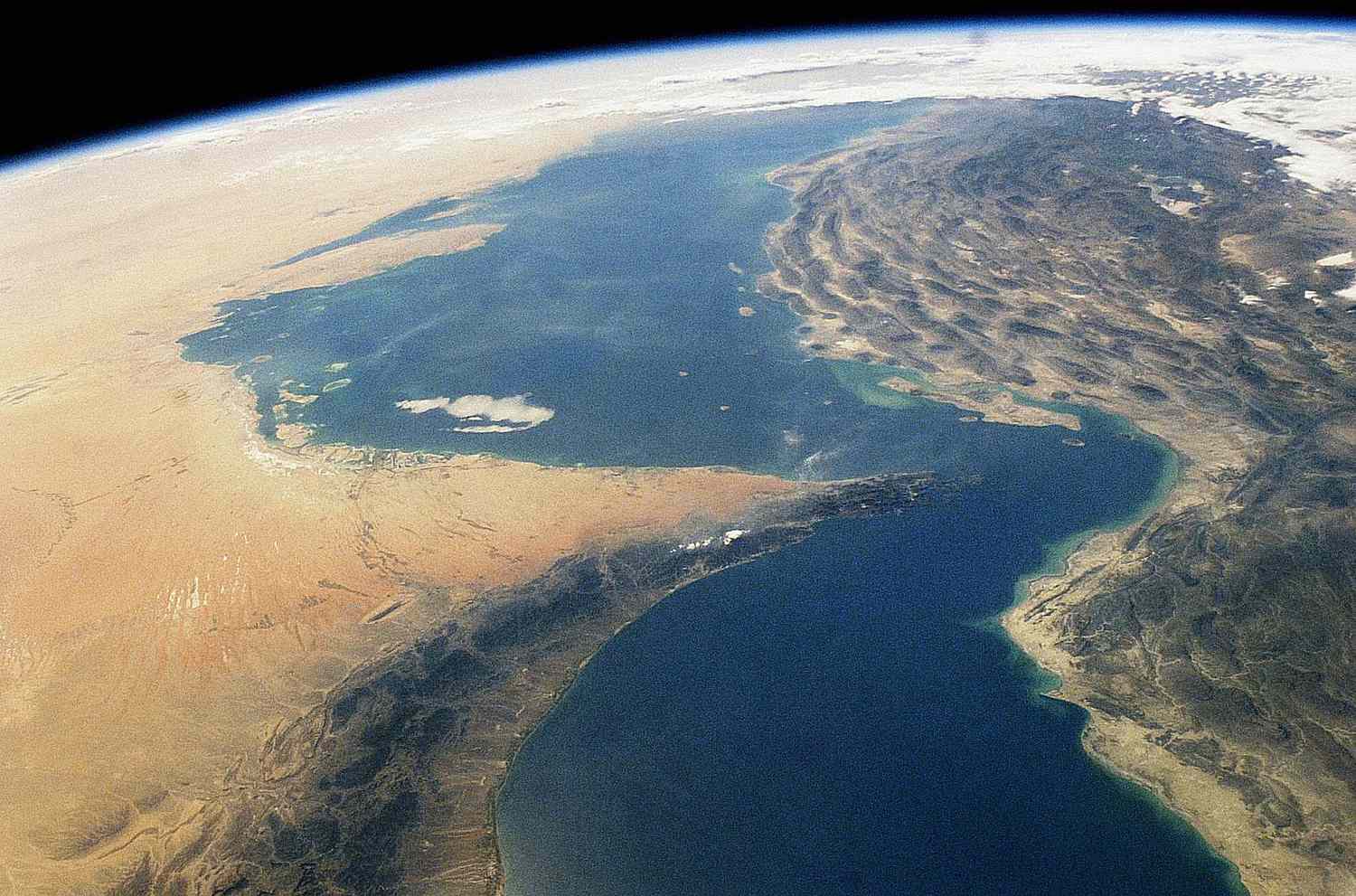
Iran's announcement that the Strait of Hormuz was open on Friday, followed shortly thereafter with statements that it was closed, led to a brief rush for the exit and many U-turns. Subsequent attacks on vessels in the region as well as US blockade forces taking control of an Iranian cargo ship have meant no real change in the status quo, with the ceasefire expiration approaching and US-Iran negotiations uncertain. For the container market in the region, operations to and from the Gulf via alternative ocean-landbridge routes remain challenging.
Maersk suspended landside bookings for some cross-border services to the UAE and out of Salalah. While some accessible ports like UAE's Khor Fakkan are congested and some carriers increased surcharges for Mideast feeder services out of India, other ports like Fujairah and Sohar are reportedly operating more smoothly. The broader container market remains unaffected operationally, though fuel costs are still the main concern.
Bunker fuel prices are 55 per cent higher than before the war but are down 15 per cent from their peak a month ago and have eased 9 per cent since the start of the month. This correction in fuel prices, together with current seasonally low demand and continued high capacity levels, may be combining to limit the overall impact of the crisis on container rates. During the March-April stretch when freight rates typically ease until the summer peak season, fuel surcharges and other price increases have indeed put upward pressure on rates, though tight low-sulfur fuel supply at Asian hubs remains manageable for now.
Key Takeaways:
1. Iran's contradictory announcements on Strait of Hormuz status caused chaos in vessel routing.
2. Maersk suspended some cross-border services to UAE and out of Salalah.
3. Khor Fakkan is congested while Fujairah and Sohar reportedly operate more smoothly.
4. Bunker fuel prices remain 55 per cent higher than pre-war but down 15 per cent from peak.
5. Low seasonal demand and high capacity levels are limiting upward pressure on freight rates.

