

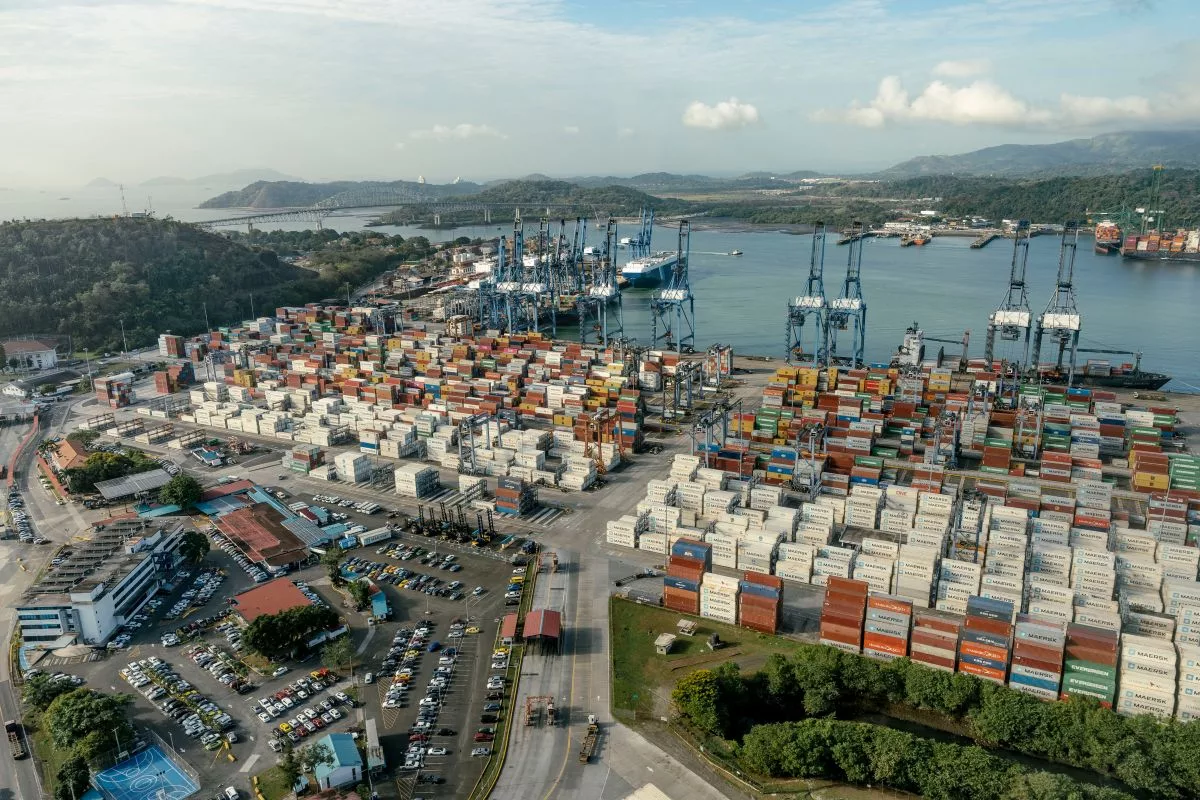
The U.S. is accusing China of harassing and detaining Panama-flagged vessels following the cancellation of contracts between the Central American nation and a Hong Kong-based conglomerate that operates ports on both sides of the Panama Canal. From a supply chain perspective, Panama's significance in the flag of convenience market directly affects the role of the flag state regime in port state control, vetting, and port transit processes within the global commercial fleet. Port rotation decisions by Cosco, OOCL, and SITC lines in Asia-Latin America services are prompting charterers to reassess flag preference as a risk factor.
The allegations, first raised by the U.S. Federal Maritime Commission (FMC) and articulated prominently by Secretary of State Marco Rubio on April 2, add another point of tension between the U.S. and China ahead of President Donald Trump's planned Beijing visit in May. In his statement, Rubio said: "China's recent actions against Panama-flagged vessels raise serious concerns about the use of economic tools to undermine the rule of law in Panama, a sovereign nation and vital partner for global commerce." Rubio further stated: "Detentions, delays, or other impediments to the movement of vessels undermine the stability of global supply chains, increase costs for businesses and consumers, and erode confidence in the international trading system." From a supply chain perspective, the sanctions instruments available to the FMC include additional declarations and inspections at U.S. ports, flag state-based tariff measures, and create additional operational costs for liner services.
Panama's Supreme Court ruled in January that a contract awarded to CK Hutchison Holdings Ltd. to operate two ports near the Panama Canal was unconstitutional. This decision provides a win for Trump's efforts to curb China's control over strategic infrastructure in Latin America. The canal has been in focus since December 2024, when Trump—just a month before returning to office—began threatening to "take back" the waterway from Panama, citing unfair fees. Trump also incorrectly claimed that the canal is operated by China, raising tensions among geopolitical powers. From a supply chain perspective, the Panama Canal Authority (ACP)'s tariff structure, draft restriction and booking slot policies applied during drought periods continue to be critical variables in global mainline planning amidst this geopolitical noise.
China denies U.S. allegations regarding the detention of Panama-flagged vessels. Chinese Foreign Ministry spokesperson Lin Jian stated: "The U.S.'s repeated wrongful allegations only reveal its attempt to take control of the canal." CK Hutchison has filed for international arbitration last month against Panama, seeking at least $2 billion in compensation and alleging an "illegal state takeover" of the ports. From a supply chain perspective, BIT (Bilateral Investment Treaty)-based arbitration processes reveal the vulnerability of the global terminal operations investment environment to geopolitical shifts. Ultimately, Rubio's statement represents a development indicating elevated tensions along the Panama axis ahead of a Trump-Xi meeting and the shaping of global mainline service port selection decisions by geopolitical weight.
Key Points:
1. The U.S. accuses China of harassing Panama-flagged vessels.
2. The FMC complaint is raised prominently through Rubio's statement.
3. China denies the allegations; spokesperson Lin Jian responds.
4. CK Hutchison launches $2+ billion arbitration against Panama.
5. Tensions escalate ahead of Trump's Beijing visit planned for May.
We would be delighted to hear your feedback.

