

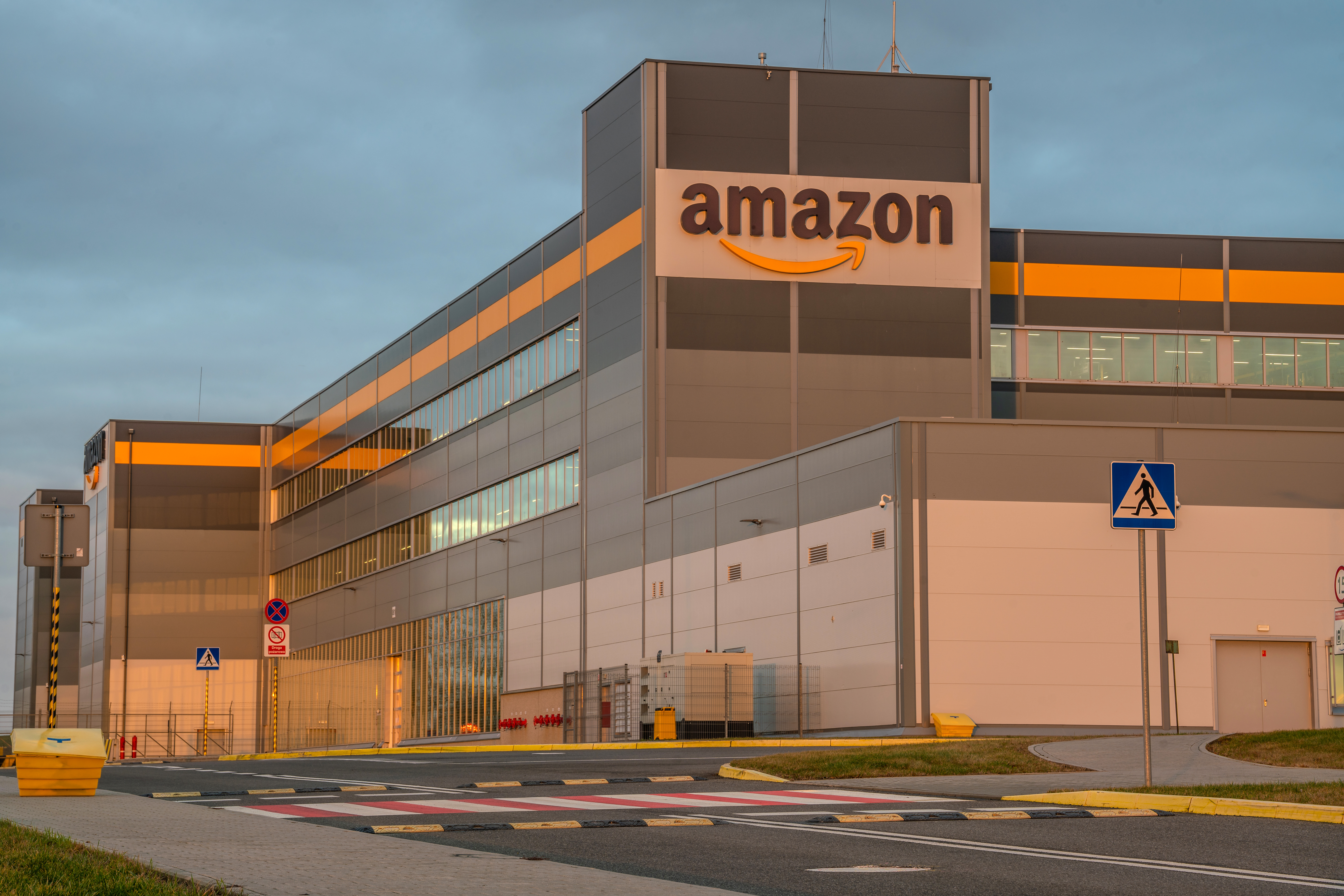
Amazon launched Amazon Supply Chain Services (ASCS) this month, opening its logistics network to outside businesses for the first time. Any company can now access its freight, distribution, fulfillment, and parcel shipping capabilities without requiring a marketplace relationship. While initial reactions and stock market fluctuations focused on the impact on incumbent carriers, industry experts emphasize the transformative potential this move holds for shippers and 3PLs.
Inbound Logistics Publisher Keith Biondo notes that Amazon's wholesaling of its capabilities impacts shippers both directly and indirectly. The concept of "supply chain impatience," as he defines it, refers to the relentless push to compress lead times that has shaped shipper expectations over the past decade. ASCS addresses this impatience by allowing manufacturers and retailers to access shorter lead times across global supply chains without building the infrastructure to support it.
For 3PLs, the impact of ASCS is more nuanced yet opportunity-rich. Local and regional 3PLs, as Amazon partners, can now offer their customers benefits including global supply chain infrastructure. Amazon's API and data management capabilities also empower logistics partners, trickling down to direct enterprise shippers. Biondo stresses that 3PLs positioning themselves as ASCS integrators rather than standalone operators have the potential to emerge stronger.
The logistics industry has been defined by vertical functional silos since its inception. When freight, warehousing, and fulfillment occur in different locations, errors and delays become inevitable. Amazon Supply Chain Services represents a tangible step toward breaking down these walls, moving the sector toward end-to-end inbound logistics orchestration that the industry has long sought. ASCS also functions as a force equalizer: the global logistics infrastructure that was financially out of reach for smaller importers and regional 3PLs is now accessible to all.
This move allows regional 3PLs to punch above their weight class. Biondo calls this the "democratization of capability", predicting that smaller companies gaining access to the same global scale will fundamentally reshape industry dynamics. Amazon's move signals the beginning of a new competitive equation in the supply chain market, where infrastructure access is no longer determined solely by company size.
Key Takeaways:
1. Amazon Supply Chain Services offers all businesses access to freight, distribution, and fulfillment without marketplace relationship requirement.
2. Local and regional 3PLs can now provide customers with global supply chain infrastructure as Amazon partners.
3. ASCS moves the logistics sector from vertical functional silos toward end-to-end orchestration model.
4. Global logistics infrastructure becomes financially accessible for smaller importers and regional 3PLs.
5. 3PLs positioning themselves as ASCS integrators gain potential for new competitive advantages.

