

Daily Supply Chain Report
May 8, 2026 - Friday
This day, we bring together the 4 key events that entered the chronology, in date order.
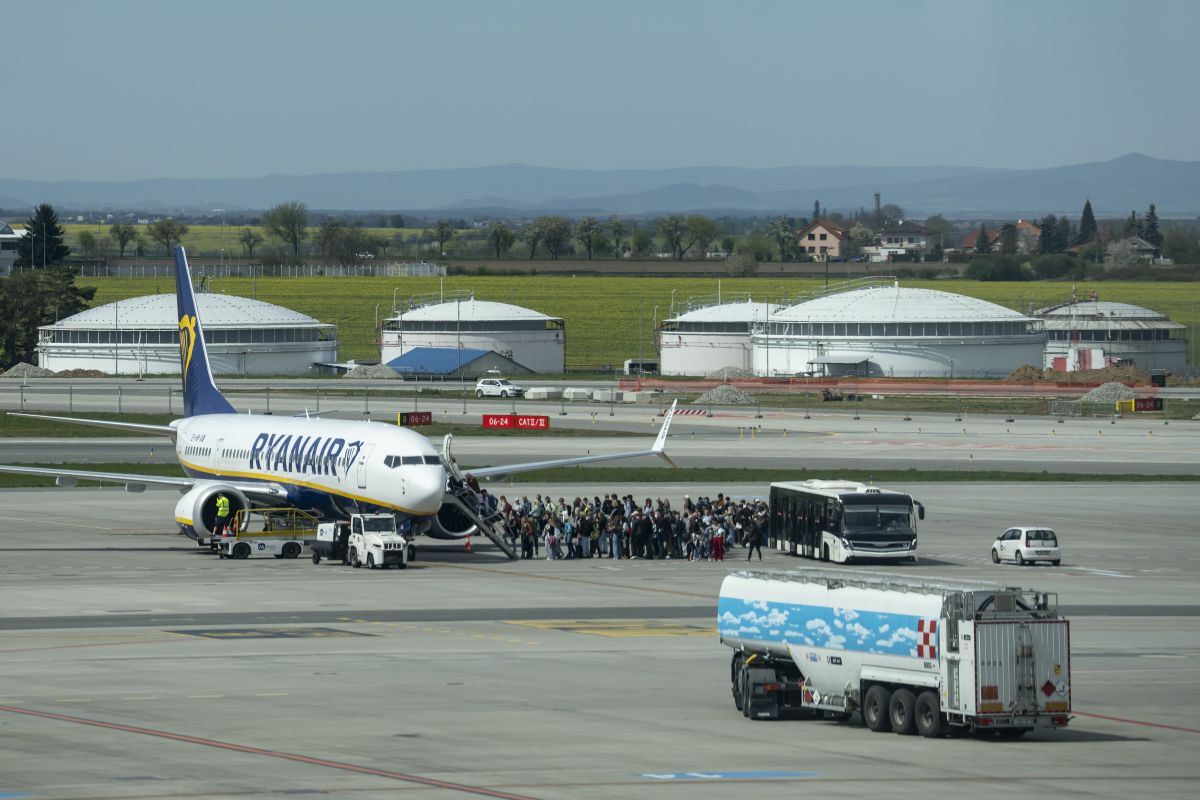
EU clears European airlines to use Jet A fuel amid Hormuz crisis. EU Commission clears European airlines to use U.S.-standard Jet A jet fuel amid the Strait of Hormuz crisis.
In the same period, US CENTCOM says it is blocking more than 70 tankers from Iranian ports — 166 million barrels of crude stranded. On 8 May 2026 the US Central Command (CENTCOM) said in an official post on X that more than 70 commercial tankers are blocked from entering or leaving Iranian ports under the naval blockade enforced in the Strait of Hormuz region since 13 April 2026; the blocked vessels have a combined capacity of more than 166 million barrels of Iranian crude with an estimated cargo value above $13 billion; CENTCOM said more than 15,000 troops, 200 aircraft and 20 warships are executing the mission; ship-tracking data compiled by Anadolu show no major commercial vessels passed through the Strait of Hormuz in the 24 hours leading up to 0900 GMT on 8 May, marking a second consecutive day with effectively zero major transits; the climb in the blocked-tanker count from roughly 42-52 in late April to over 70 in two weeks signals sustained structural pressure on Tehran's oil export revenues, while regional war-risk premiums for shipowners and P&I clubs continue to hold around 2.8% of contract value annualised.
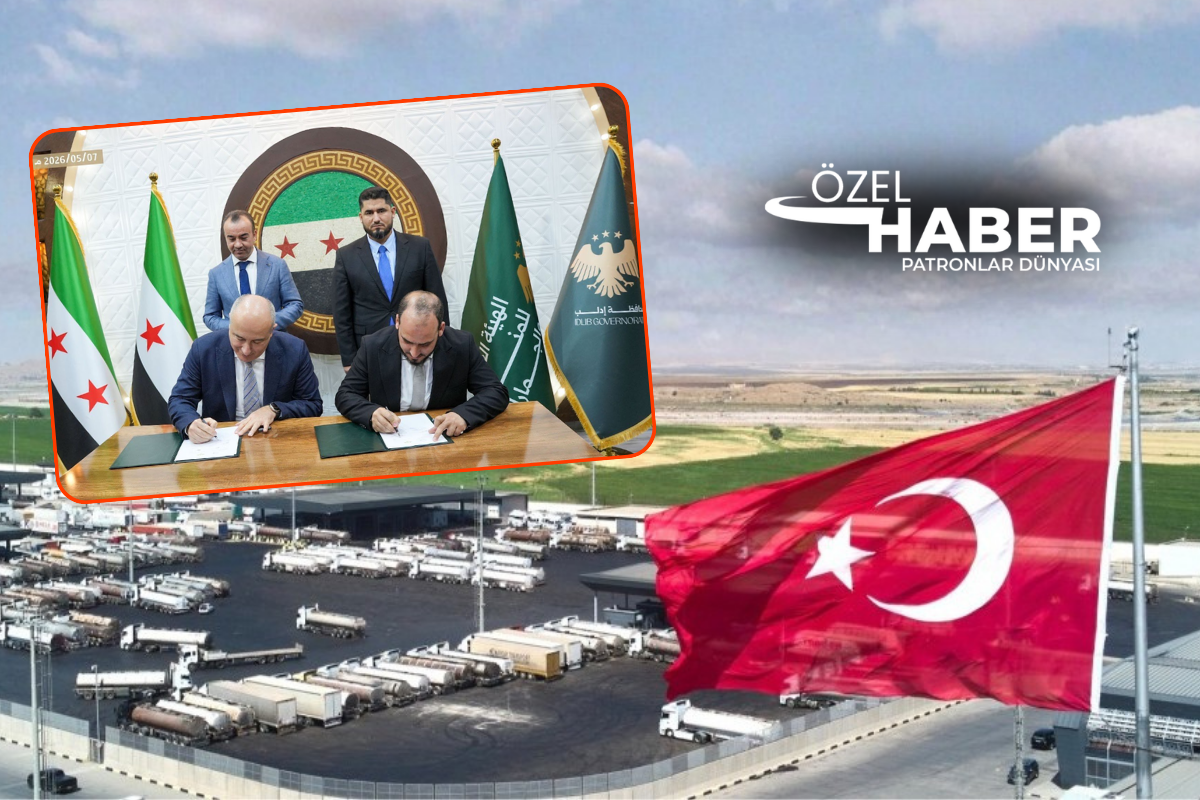
Elsewhere, TOBB-backed BOMACO to build integrated free zone and dry port in Idlib, Syria. BOMACO — established in the United Kingdom by the Union of Chambers and Commodity Exchanges of Türkiye (TOBB), the Islamic Chamber of Commerce and Development (ICCD) and Gümrük ve Turizm İşletmeleri (GTİ) — signed a protocol on 8 May 2026 with Syria's Idlib Governorate to build an integrated free zone and dry port in the Idlib region; the deal was signed at the Idlib Governorate building by BOMACO CEO Saruhan Enver Balaban and Director General Ahmed Al-Dhamin, with Idlib Governor Mohammed Abdulrahman and Hatay Deputy Governor Alper Arın Yılmaz attending; according to Syrian state news agency SANA, the integrated free zone and dry port will be co-located on the same site and is positioned as a hub for cross-border trade and logistics infrastructure; initial talks were held the previous month with Kuteybe Bedavi, head of Syria's Land and Sea Ports and Customs Administration, while BOMACO focuses on border-gate, customs and logistics facility development through Build-Operate-Transfer and other PPP models; as the Idlib corridor is connected to Türkiye only via the Hatay border gates, the planned facility will provide bonded transit, RoRo-road combined handling and consolidated border-crossing-time capacity in a single hub for Türkiye-Syria border trade.
Then, U.S. CENTCOM strikes Iranian military facilities in Hormuz after attacks on 3 U.S. destroyers — Qeshm Port and Bandar Abbas. U.S. Central Command (CENTCOM) carried out self-defence airstrikes against Iranian military facilities on 7-8 May 2026 in response to Iran-launched attacks against three U.S. destroyers in the Strait of Hormuz theatre over the previous 24 hours; according to PortNews on 8 May, the target list covered Qeshm Port, military installations at Bandar Abbas and entrenched missile and drone launch sites along the Strait of Hormuz coastline; U.S. defence officials framed the strikes as calibration of the kinetic enforcement of the Iran blockade rather than a wider-war escalation; Iran said the operations against U.S. destroyers were carried out by the IRGC Navy (IRGC-N) using coast-to-sea missiles and kamikaze drones; Bandar Abbas, run by Iran's State Ports Organization, handles roughly 55% of the country's container traffic and Qeshm Island hosts strategic military positions controlling the Hormuz exit channel; civilian vessel traffic in the area resumed after a two-hour pause, Brent crude jumped about $4 in the hours of the event and tanker war-risk premiums for the region were re-set near 2.8% of contract value annualised.

