

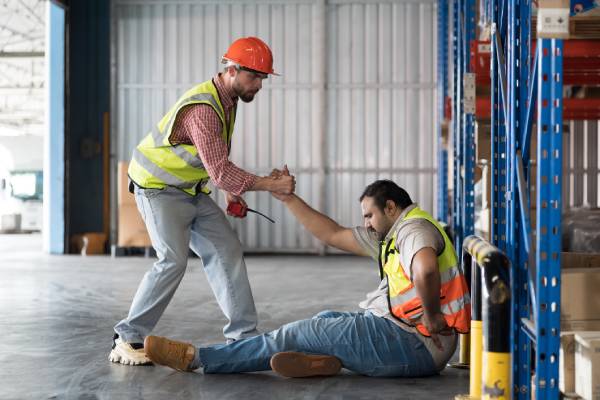
Workers in the supply chain sector face workplace injury risks. In particular, employees operating in transportation and warehousing are among the occupational groups with high injury rates.
Transportation and Warehousing Sector:
In this sector, truck drivers, warehouse workers, and cargo handlers have high injury rates due to long working hours, heavy lifting, and equipment-related risks. According to statistics, 4.5 injury cases are reported per 100 workers.
Retail Sector:
Retail sector workers face similar risks. Workers engaged in tasks such as stocking, shelving, and customer service carry injury risk due to heavy lifting, repetitive movements, and slip-and-fall hazards. The injury rates in this sector are also noteworthy.
Manufacturing Sector:
Manufacturing sector workers are at high injury risk due to machinery operation, handling of heavy materials, and working with hazardous substances. Workers in automotive and heavy industry sectors, in particular, encounter these risks more frequently.
Construction Sector:
The construction sector is considered one of the most dangerous sectors due to falls from height, operation of heavy equipment, and difficult working conditions. Injury and fatality rates in this sector are higher than in other sectors.
Prevention and Safety Measures:
To reduce workplace injuries, employers and workers must work together. Training programs, use of protective equipment, and regular safety inspections play an important role in reducing injury risk. Additionally, ergonomic working conditions and regulation of working hours are effective in protecting worker health.
The Role of Technology:
The use of automation and new technologies reduces human-related injury risk by enabling machines to perform dangerous tasks. Robotic systems and artificial intelligence-enabled solutions, in particular, take on repetitive and risky work, allowing workers to operate in safer environments.
Legal Regulations:
Legal regulations concerning occupational health and safety require employers to comply with specific standards. These regulations are critical for enhancing worker safety and reducing injury rates. Inspections and penalties imposed encourage employers to comply with these rules.
Worker Responsibilities:
Workers also bear responsibility for their own safety. Compliance with safety protocols, proper use of protective equipment, and reporting hazardous conditions are among the basic duties workers must perform. Additionally, regular health checkups and physical fitness are important factors in reducing injury risk.
Conclusion:
Workers in the supply chain and related sectors face workplace injury risks. To reduce these risks, employers and workers must work together, benefit from technological innovations, and comply with legal regulations. In this way, safer and more productive working environments can be created.
Key Points:
In the transportation and warehousing sector, 4.5 injury cases are reported per 100 workers.
Workers in the retail sector carry injury risk due to heavy lifting and repetitive movements.
The manufacturing and construction sectors have high injury and fatality rates.
Training, use of protective equipment, and safety inspections are critical in reducing injury risk.
Automation and new technologies reduce human-related injury risk by enabling machines to perform dangerous tasks.
Legal regulations require employers to comply with specific standards and enhance worker safety.
Workers' compliance with safety protocols and proper use of protective equipment are vital for their own safety.

