

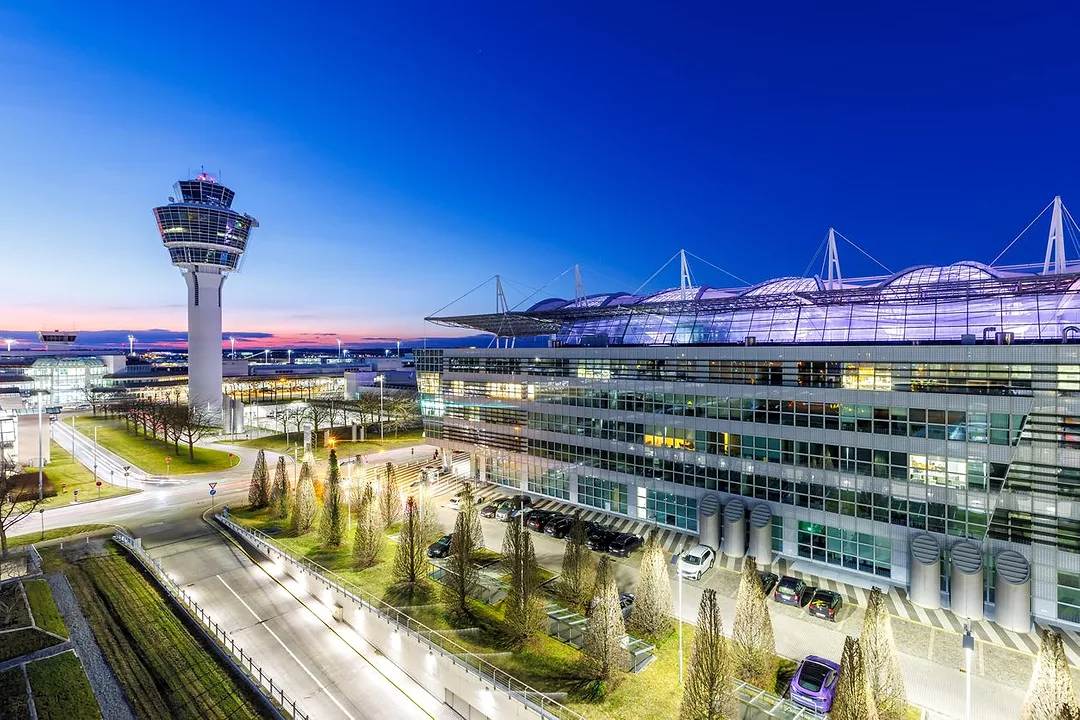
Munich Airport temporarily halted operations after multiple drones were spotted in the vicinity of the airport.
Operations were then restarted in a controlled manner. Airport security protocols emphasize geofencing, integrated radar and imaging detection, and rapid response teams. The disruption caused short-term delays in European air cargo and passenger flows; slot coordination and re-accommodation plans were activated.
Airlines cancelled or rescheduled certain flights due to crew duty time limits and aircraft rotation constraints. The incident has renewed attention to the importance of U-space regulations and counter-UAS technologies.
Ultimately, the new risk category posed by unmanned aircraft systems in airspace management is increasing the flexibility requirements of airport operations.
Key Takeaways:
1. Drone alerts result in short-term operational disruptions.
2. Geofencing and integrated detection protocols are being implemented.
3. Slot coordination is critical in delay management.
4. Counter-UAS solutions are increasing in importance.
5. Operational flexibility mitigates risks.
We would be delighted to receive your feedback.
Wishing you happy reading.

