

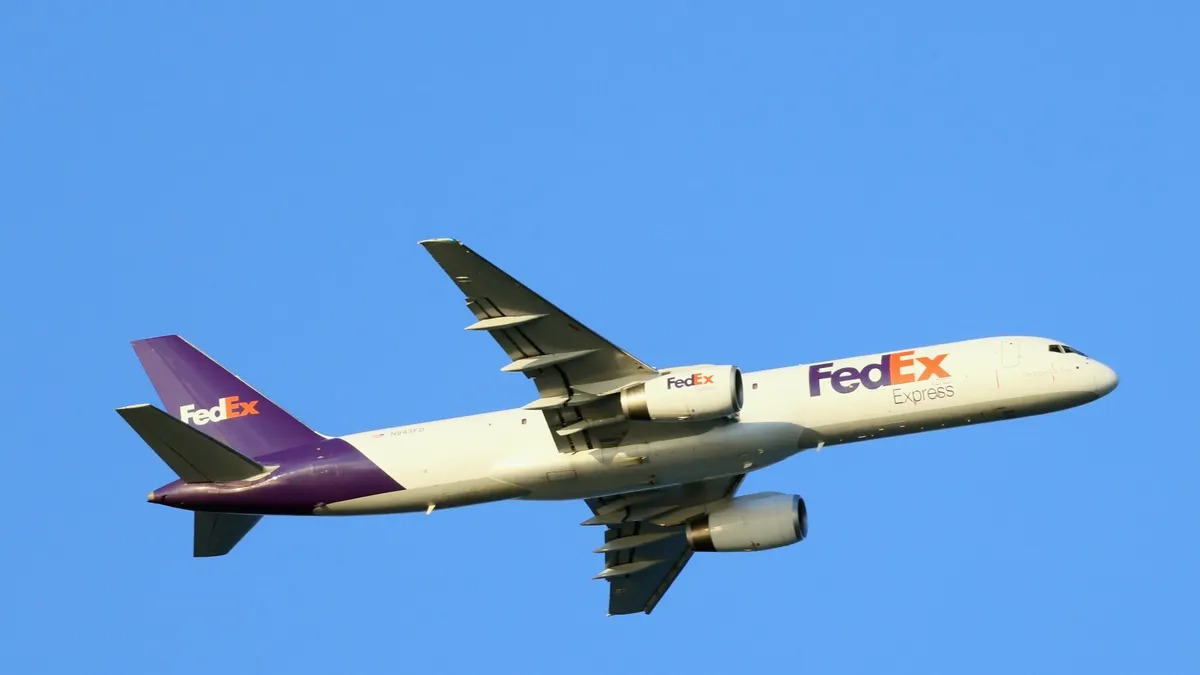
FedEx, a major player in global air cargo operations, is facing significant pressure on financial performance due to the grounding of its MD-11 cargo aircraft. EVP and CFO John Dietrich stated during the company's second quarter earnings call that the grounding is expected to create a $175 million negative impact on adjusted operating profit throughout the fiscal year.
According to the company's disclosures, FedEx has already absorbed $25 million of this impact in November. The remaining amount is expected to materialize primarily in the third quarter of the fiscal year. December emerges as the period when cost pressures will be felt most acutely. The primary reason is increased reliance on third-party air cargo capacity to meet peak season demand.
Dietrich emphasized that this period is already characterized by high costs in air cargo transportation, noting that current fleet constraints make outsourced capacity utilization even more expensive. FedEx's current financial projections anticipate the return to service of the MD-11 aircraft in the fourth quarter of the fiscal year. This quarter begins on March 1 according to the company's calendar.
The MD-11 fleet grounding affects not only FedEx but also major players in the global air cargo market. Together with UPS, FedEx suspended operations of this aircraft type last month following Boeing's recommendation. This decision came after one of these aircraft was involved in a fatal accident. Following the incident, the Federal Aviation Administration issued an emergency directive prohibiting MD-11 flights until necessary investigations and corrective actions are completed.
These developments are putting significant strain on air cargo capacity for both carriers, particularly during peak-volume periods such as the holiday season. FedEx CEO Raj Subramaniam stated during the earnings call that prior to the grounding decision, 25 of the 34 MD-11 aircraft in FedEx's fleet were actively operating. This underscores the operational impact of the decision.
FedEx management has activated a series of contingency plans to limit the effects of the capacity loss. As part of these measures, some shipments are being rerouted to other aircraft types, while ground transportation is being utilized more intensively on certain routes. Subramaniam noted that without the implemented measures, approximately 4 percent of global cargo capacity would have been sidelined, but the compensatory steps taken have helped maintain service levels.
The company is preparing additional measures for the final weeks of peak season. Cross-functional coordination is being conducted among operations, planning, and customer teams, with teams working in continuous coordination to prevent potential service disruptions. This approach represents a concrete demonstration of FedEx's efforts to maintain operational resilience.
The picture on the customer side is more positive. FedEx EVP and Chief Customer Officer Brie Carere stated that despite the ongoing MD-11 issues, the company has effectively managed peak season demand. Carere highlighted the performance of the air operations teams while noting that the coming week is of critical importance.
The overall assessment indicates that the grounding of the MD-11 fleet is raising costs in the short term and straining capacity planning. However, the alternative transportation solutions and operational flexibility that FedEx has deployed are playing a decisive role in maintaining service levels.
Key Takeaways
FedEx expects a $175 million negative impact from the grounding of its MD-11 fleet.
$25 million of this amount materialized in November.
December usage of third-party air cargo capacity is driving up costs.
MD-11 flights were temporarily halted by FAA directive.
FedEx is turning to alternative aircraft and ground transportation solutions to compensate for capacity loss.
The company is focused on maintaining peak season operations without service disruptions.

