

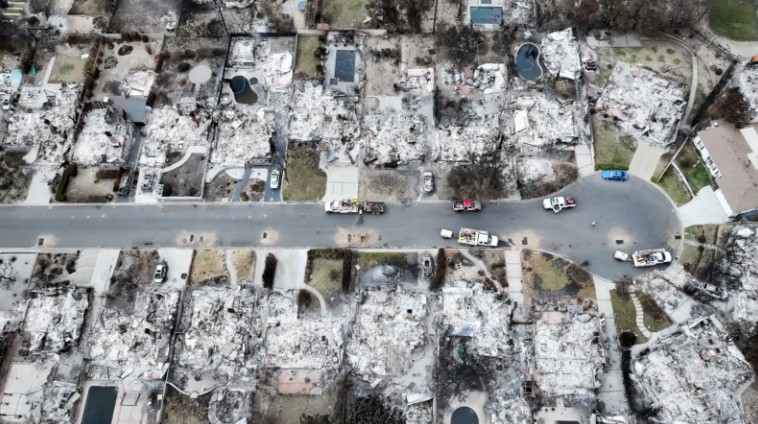
Recent wildfires in Southern California have devastated neighborhoods in regions including Altadena, Lake Hughes, Pacific Palisades, and San Diego County, closing roads and highways and disrupting the lives of many residents. According to the California Department of Forestry and Fire Protection map updated on January 27, the Eaton fire is 99 percent contained and the Hughes fire is 98 percent contained. In total, four active fires have affected an area of 54,519 acres.
\nWarehouse Status
\nWarehouses and logistics centers located outside the directly affected fire zones have largely escaped significant impact. According to Lisa Anderson, President of LMA Consulting Group, most warehouses are located outside the fire area and are therefore not experiencing direct effects. For example, DHL Supply Chain reported that its 13 facilities in the region have not been directly affected by the fires and that employees are safe. The company is closely monitoring the situation and states it is prepared for potential supply chain adjustments for its customers.
\nIndirect Impacts
\nEven businesses located outside the fire zones are experiencing indirect effects such as power outages, stress on infrastructure, and changing consumer demand patterns. For instance, a building materials manufacturing facility, though not in the fire path, experienced approximately a week without electricity due to precautionary power cuts. Additionally, damage to retailers in fire-affected areas has driven local residents to shop in other regions to meet their basic needs, altering purchasing habits and inventory requirements.
\nReconstruction Timeline and Storage Needs
\nWhile there is no clear timeline for the reconstruction process in affected areas, CBRE experts anticipate increased short-term storage demand from building and prefabricated home suppliers. According to Robert Peddicord, Managing Director overseeing CBRE's South Bay operations, most communities expect construction to take two to three years to begin due to the need to rebuild infrastructure. All debris must first be cleared, and then infrastructure must be rebuilt. During this process, shortages in building materials such as drywall, cabinetry, plumbing fixtures, and roofing materials could occur.
\nOnce materials are procured and begin arriving in Los Angeles, storage space demand will increase due to the significant inventory requirements for infrastructure and homes. According to John Morris, Head of CBRE Americas Industrial & Logistics, this demand may occur in high-volume storage facilities such as those used for e-commerce, as well as in less functional buildings for temporary storage. This increased demand will raise the value and prices of storage space. Additionally, interest in outdoor industrial storage areas for materials such as poles, beams, and cables may also increase.
\nSupply Chain Resilience
\nThe fires underscore the importance of supply chain resilience. Businesses must find ways to continue operations to support their customers. According to Lisa Anderson, President of LMA Consulting Group, having production options outside primary locations can provide critical flexibility in ensuring production continues if primary facilities are affected.
\nKey Takeaways
\n- \n
Warehouse Status: Warehouses and logistics centers outside fire zones have largely remained unaffected.
\n Indirect Impacts: Indirect effects such as power outages, infrastructure stress, and shifting consumer demand are occurring.
\n Reconstruction Timeline: Due to the need to rebuild infrastructure, construction is expected to take two to three years to begin.
\n Storage Needs: Demand for storage space for building materials will increase during the reconstruction process.
\n Supply Chain Resilience: Businesses must find ways to continue operating to support their customers.
\n
---
\n\n-------------------
\n\nWe would be delighted to receive your feedback.
\nWishing you happy reading.

