

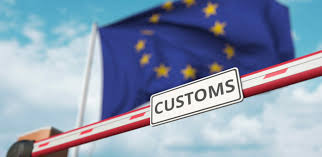
The European Union (EU) and leading industry associations are making an urgent call for the modernization of customs operations. This call aims to make customs processes more efficient, transparent, and flexible in the face of rising trade volumes and complex supply chains.
Current State of Customs Operations
Today, global trade is growing rapidly under the influence of digitalization and e-commerce. This situation is placing significant pressure on customs administrations and rendering existing systems inadequate. In particular, inconsistencies in customs procedures across different countries are slowing the flow of trade and increasing costs.
The Need for Modernization
The EU and industry associations emphasize that modernization of customs operations is critical not only for facilitating trade, but also for enhancing security and preventing illegal trade. Modernization encompasses innovative approaches in areas such as effective use of data analytics, risk management, and automation.
Investment and Public-Private Partnerships
Significant investments are required to effectively modernize customs operations. These investments encompass infrastructure development, personnel training, and integration of technological innovations. Furthermore, partnerships between the public and private sectors are of great importance for the effective use of resources and information sharing.
The Role of Digitalization
The integration of digital technologies plays a critical role in accelerating customs processes and reducing error rates. In particular, innovative solutions such as blockchain technology, artificial intelligence, and big data analytics enable customs operations to be more transparent and traceable.
Harmonization of Standards and International Cooperation
Differences in customs procedures across countries negatively affect the flow of trade. Therefore, the adoption of international standards and increased cooperation between countries is essential for harmonizing customs processes. International organizations such as the World Customs Organization (WCO) play a key role in achieving this harmonization.
Human Resources Development
In the process of modernizing customs operations, the training and development of human resources is of paramount importance. Continuous training programs should be organized and capacity development activities should be prioritized to enable personnel to adapt to new technologies and adjust to changing procedures.
Conclusion
The call by the EU and industry associations for modernization of customs operations is viewed as a critical step for the sustainability and competitiveness of global trade. In this context, measures taken in areas such as investment, digitalization, international cooperation, and human resources development will increase the effectiveness of customs processes and reduce barriers to trade.
Key Points
The EU and industry associations are making an urgent call for modernization of customs operations.en.portnews.ru
Modernization is critical for facilitating trade, enhancing security, and preventing illegal trade.
Integration of digital technologies is important for accelerating processes and enhancing transparency.
Adoption of international standards and increased cooperation will harmonize procedures.
Training and development of human resources is essential for the success of the modernization process.
We would be delighted to receive your feedback.
Wishing you good reading in advance.

