

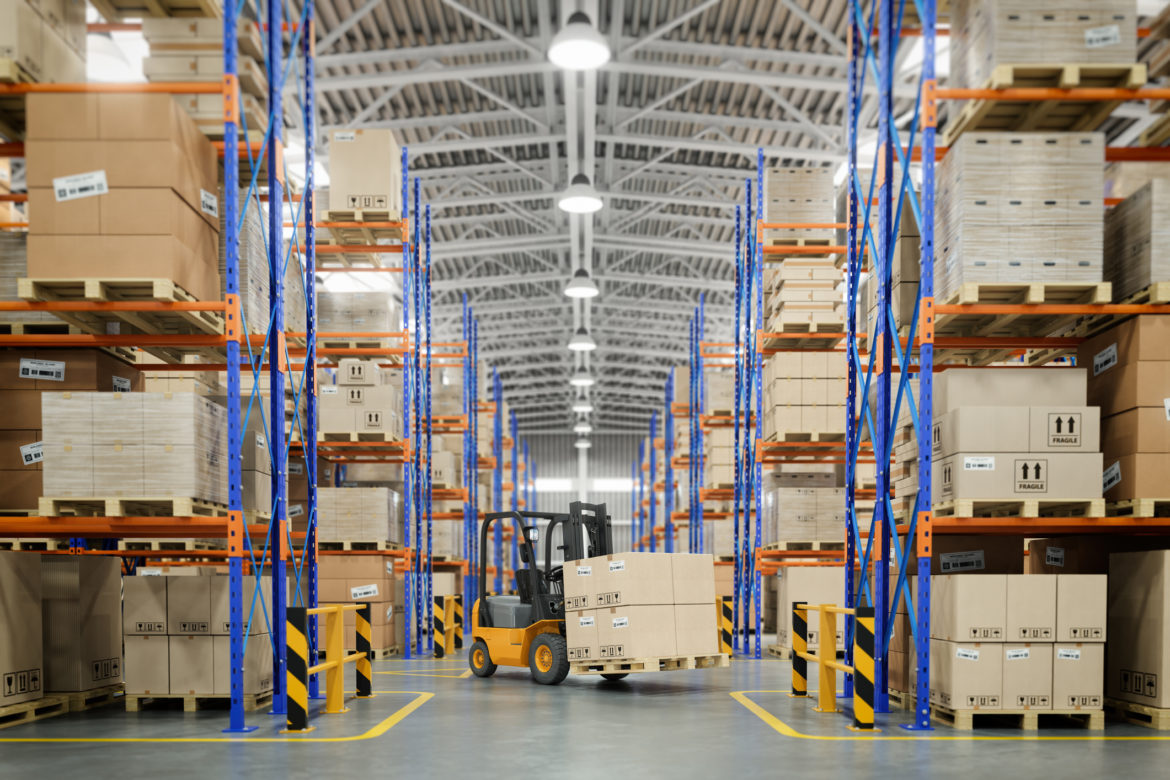
Warehousing is an indispensable component of modern supply chain management, playing a central role in processes such as goods storage, classification, and distribution. However, as awareness of environmental issues grows and sustainable practices become mandatory across all sectors, the warehousing industry faces increasingly stringent oversight regarding the minimization of its environmental impact. Energy conservation and compliance with strict environmental regulations are essential for the sustainability of warehousing operations.
\nWarehouses consume energy across various stages including lighting, heating, machinery operation, and transportation. Energy-saving measures not only reduce carbon footprint but also provide significant long-term cost savings for businesses. Transitioning to energy-efficient lighting solutions such as LED technology and motion-sensor lighting systems optimizes energy consumption. Additionally, the use of smart HVAC systems such as programmable thermostats and zone-based heating delivers energy savings without compromising employee comfort.
\nShifting toward renewable energy sources, particularly solar panels and wind turbines, helps balance energy consumption and reduce dependence on fossil fuels. Furthermore, regular maintenance and optimization of material handling equipment such as forklifts and conveyor systems improve energy efficiency and extend equipment lifespan.
\nBeyond the complex landscape of environmental regulations, warehousing companies must comply with stringent legislation being enacted worldwide to reduce greenhouse gas emissions and promote sustainable practices. Compliance with emission standards, waste management, and water conservation minimizes the environmental impact of warehousing facilities while enhancing operational efficiency and cost-effectiveness. Regular reporting and documentation of environmental performance metrics are also crucial in this process.
\nKey Takeaways
\n- \n
Warehousing operations consume significant energy across various stages.
\n Energy conservation reduces costs and lowers carbon footprint.
\n LED lighting and smart HVAC systems optimize energy consumption.
\n Renewable energy sources reduce dependence on fossil fuels.
\n Equipment maintenance and optimization improve energy efficiency.
\n Environmental compliance is mandatory and requires continuous reporting.
\n

