

Iranian Press (Tasnim): US Agreed to Temporarily Suspend Iran Oil Sanctions During Negotiations — Conditions 'Converging' (US Not Confirmed)
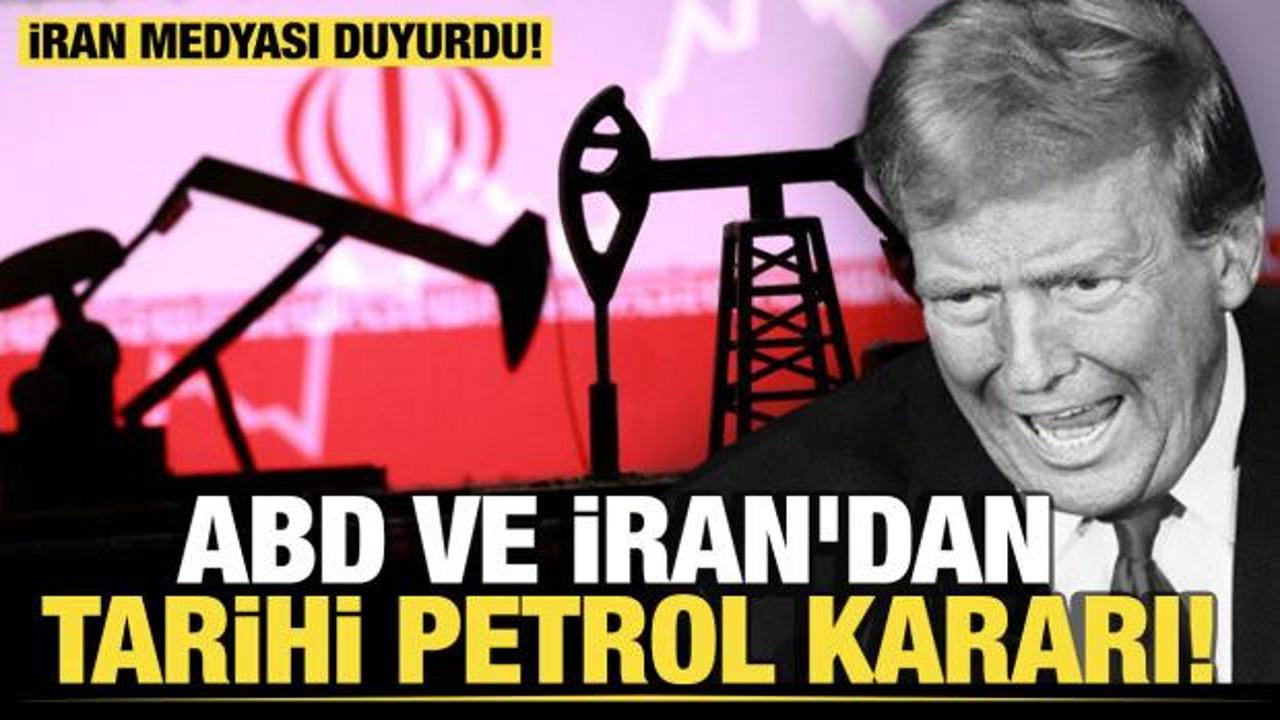
Iran's semi-official Tasnim News Agency, citing a source close to the negotiating team, claimed that Washington has accepted the temporary suspension of sanctions on Tehran's oil sector during the negotiation process. The report alleged that the conditions in the offers tabled by Iran and the US are "converging"; the claims have not yet been confirmed by the US. Coming a day after Trump's social-media post showing a Middle East map with a US flag overlay and arrows pointing at Iran, the statement is being read as a 180-degree tonal shift in the diplomatic equation.
In the Iranian public sphere the claim is being interpreted as part of Tehran's strategy to increase bargaining pressure, ahead of the 21 May IAEA Board of Governors meeting and the 1 June JCPOA sunset (snap-back trigger window), operationalising a "sanctions suspension" offer. A possible temporary lift on the OFAC + IEEPA (Iranian Transactions Regulations) + Section 1245 NDAA (CISADA oil sanctions) tracks would mark the most concrete trade-channel reopening since the March 2026 fragile US-Iran ceasefire, on the National Iranian Oil Company (NIOC), Naftiran Intertrade (NICO) and the Bandar Abbas/Kharg/Asaluyeh export terminals. Combined with the Trump-Xi Jinping 14 May Beijing summit's "the Strait of Hormuz must remain open" agreement and the commitment that "China will not provide military aid to Iran", the economic-normalisation layer of the current multilateral Hormuz framework architecture is being put on the table.
From a supply chain perspective, this claim is critical along four axes. First, if confirmed, an immediate 3-5% downward correction in Brent ICE Front Month would be expected — Iran's official crude exports of 1.5-2 million barrels/day could rise to 2.5-3 million b/d with a sanctions lift (the pre-March 2018 level). Second, for Chinese buyers (Sinopec, Unipec, ZhenHua Oil), an official-channel reopening would erode the economics of 1,000+ shadow-fleet tankers; large tanker operators such as Frontline, Euronav, Sovcomflot and MISC Bhd would see expanded official voyage capacity on the Bandar Abbas → China east coast route, while Iran shadow-fleet operators would face revenue compression. Third, on Strait of Hormuz transit and within Lloyd's Joint War Committee Listed Areas, the P&I war-risk premium quoting curve could begin a downward revision; Turkish owners (YDS, Beşiktaş Likit, Geden, TLT Tankers) would see a short-term risk-premium easing in Hormuz voyage planning. Fourth, in Türkiye-Iran energy trade, easing of OFAC SDN List Iran-focused EXTRAORDINARY compliance pressure on BOTAŞ natural-gas imports, NIOC barter operations via Esfahan/Tabriz, and Halkbank compliance friction would imply reduced indirect exposure for Turkish banks; the possibility of a gradual reopening of Iranian crude in the Mersin/Aliağa refinery supply portfolio warrants operational attention. CAVEAT: The Tasnim report is currently Iran-only sourced; until US confirmation arrives, low confidence level for market action.
Key Takeaways:
1. Iran's semi-official Tasnim News Agency claimed that the US has accepted the temporary suspension of Iran oil-sector sanctions during the negotiation process.
2. The report stated that the conditions in the offers tabled by both sides are "converging".
3. The claims have not yet been officially confirmed by the US — single-sided source (Iran).
4. The statement comes after Trump's social-media post a day earlier showing a Middle East map with arrows pointing at Iran, and is read as a 180-degree tonal shift.
5. Timing is interpreted as part of Iran's bargaining-pressure strategy ahead of the 21 May IAEA Board of Governors meeting and the 1 June JCPOA snap-back window.
6. A temporary lift on OFAC + IEEPA + Section 1245 NDAA tracks would be the most concrete trade-channel reopening since the March 2026 ceasefire for NIOC/NICO/Bandar Abbas/Kharg.
7. Supply chain impact: 3-5% Brent correction + Iran official exports from 1.5-2 to 2.5-3 million b/d + erosion of Chinese buyers' (Sinopec/Unipec/ZhenHua) shadow-fleet economics + expansion of official voyage capacity for Frontline/Euronav/Sovcomflot/MISC + downward Lloyd's JWC P&I war-risk premium revision + Hormuz risk easing for Turkish owners (YDS/Beşiktaş Likit/Geden/TLT) + reduced indirect exposure for BOTAŞ/Halkbank/Mersin-Aliağa refinery supply portfolio. CAVEAT: No US confirmation, low confidence level.

