

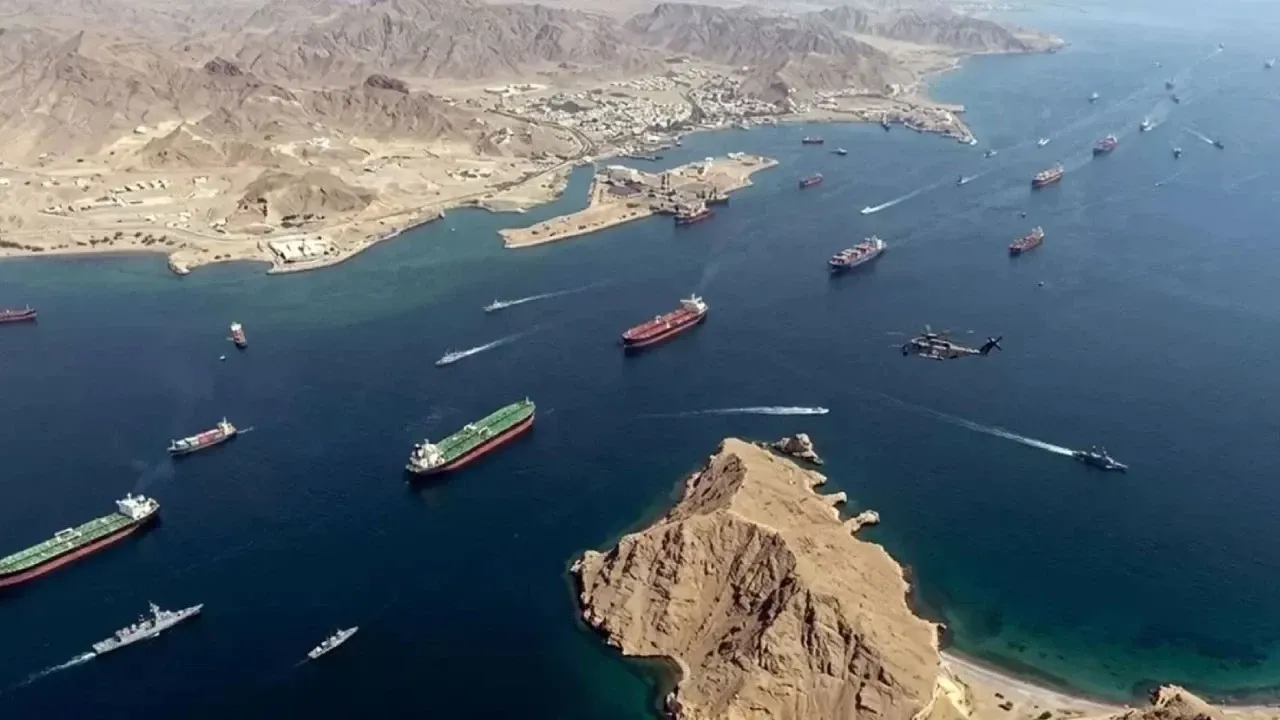
Ebrahim Azizi, Chairman of the Iranian Parliament's National Security and Foreign Policy Commission, announced that a new transit mechanism has been prepared for the Strait of Hormuz, one of the most critical chokepoints in global energy trade. Azizi stated that only commercial vessels and parties cooperating with Iran will benefit from this arrangement. He indicated that fees will be charged for special services provided under the mechanism.
Iranian state television reported that European countries are conducting negotiations with Tehran regarding vessel passage through the Strait of Hormuz. The television broadcast stated that after the passage of vessels from China, Japan and Pakistan, European countries have also begun negotiations with the Revolutionary Guards navy to obtain transit permits. The report did not specify which European countries were involved.
The Strait of Hormuz is a strategic corridor through which approximately one-fifth of the world's oil trade passes. Iran's control of the strait has a direct impact on the global energy supply chain. The new mechanism is seen as a move by Iran to strengthen its control over maritime traffic following rising geopolitical tensions in the region.
Experts note that the new permit system could increase transportation costs and potentially slow the flow of energy shipments, particularly those bound for Europe. The rapid obtainment of transit permits by East Asian countries reflects Iran's close relationships with regional trading partners. The permit process for European vessels remains unclear.
Iran's move creates new uncertainties for global maritime transport and energy logistics. Industry stakeholders are awaiting clarification on how long permits will take to be issued and details of the fee structure. Carriers transiting the Strait of Hormuz have begun evaluating alternative routes.
Key Takeaways:
1. Iran is introducing a new paid permit mechanism for transit through the Strait of Hormuz, allowing only commercial vessels cooperating with Iran.
2. Vessels from China, Japan and Pakistan have obtained transit permits; European countries have begun negotiations with the Revolutionary Guards.
3. The Strait of Hormuz is a strategic corridor through which one-fifth of the world's oil trade passes and is under Iranian control.
4. Experts note the new system could increase transportation costs and potentially slow energy shipments to Europe.
5. Industry stakeholders await clarification on fee details while carriers begin evaluating alternative routes.

