

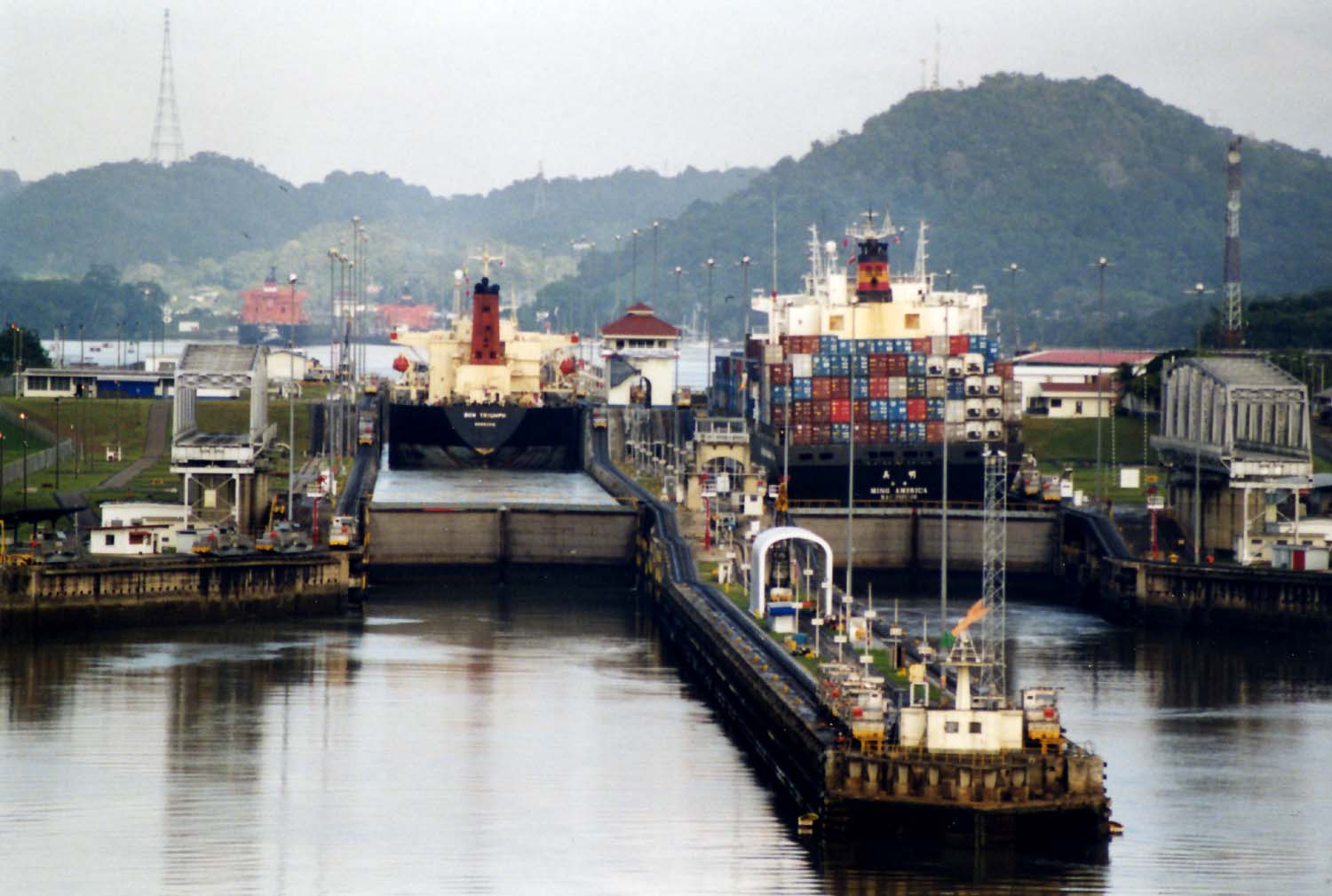
The Panama Canal authority has announced it does not plan to implement vessel passage restrictions for the remainder of 2026, despite predictions from the U.S. National Weather Service that an El Niño climate pattern is likely to emerge between May and July and continue through early 2027. The waterway linking the Pacific and Atlantic oceans currently allows 38 ships to pass through daily and has experienced increased demand in recent months, primarily due to U.S.-Iran tensions affecting the use of the Suez Canal route.
El Niño, which occurs every two to seven years, leads to warm ocean surface temperatures in the central and eastern equatorial Pacific. This typically results in wetter, colder winters in portions of the United States while reducing rainfall in Central America and leading to droughts. During the last El Niño between 2023 and 2024, Panama—usually one of the world's rainiest countries—was hit with a severe drought that forced restrictions on canal passage and triggered long waiting times for vessels.
In a statement to Reuters, the Panama Canal authority confirmed it has been implementing water conservation measures since 2025 in preparation for the next El Niño. Officials stated that "the levels of the Gatun Lake reservoir have been kept historically high." The freshwater-operated canal's management is closely monitoring weather predictions at the beginning of the rainy season since early May to help plan measures for next year.
The canal authority's proactive water management strategy is considered critical to preventing a repeat of the 2023 crisis. Gatun Lake serves as the primary water source for the canal's operations, feeding the locks that enable vessels to transit between different water levels. During the 2023-2024 drought, declining lake levels severely impacted canal capacity and global shipping schedules.
The U.S. National Weather Service report released this week indicates a high probability of El Niño emerging in the second half of 2026 and continuing in the Northern Hemisphere between late 2026 and early 2027. As the Panama Canal plays a critical role in global supply chains, any disruption to vessel transit can result in significant delays and cost increases in world trade.
Key Takeaways:
1. Panama Canal plans no vessel passage restrictions for remainder of 2026 despite predicted El Niño climate pattern.
2. Canal currently allows 38 ships daily and has seen demand increase due to U.S.-Iran tensions affecting Suez Canal usage.
3. Severe drought during 2023-2024 El Niño forced passage restrictions and triggered long vessel waiting times.
4. Canal authority has maintained historically high Gatun Lake levels through water conservation measures since 2025.
5. U.S. National Weather Service predicts El Niño emergence between May-July, continuing through early 2027.

