

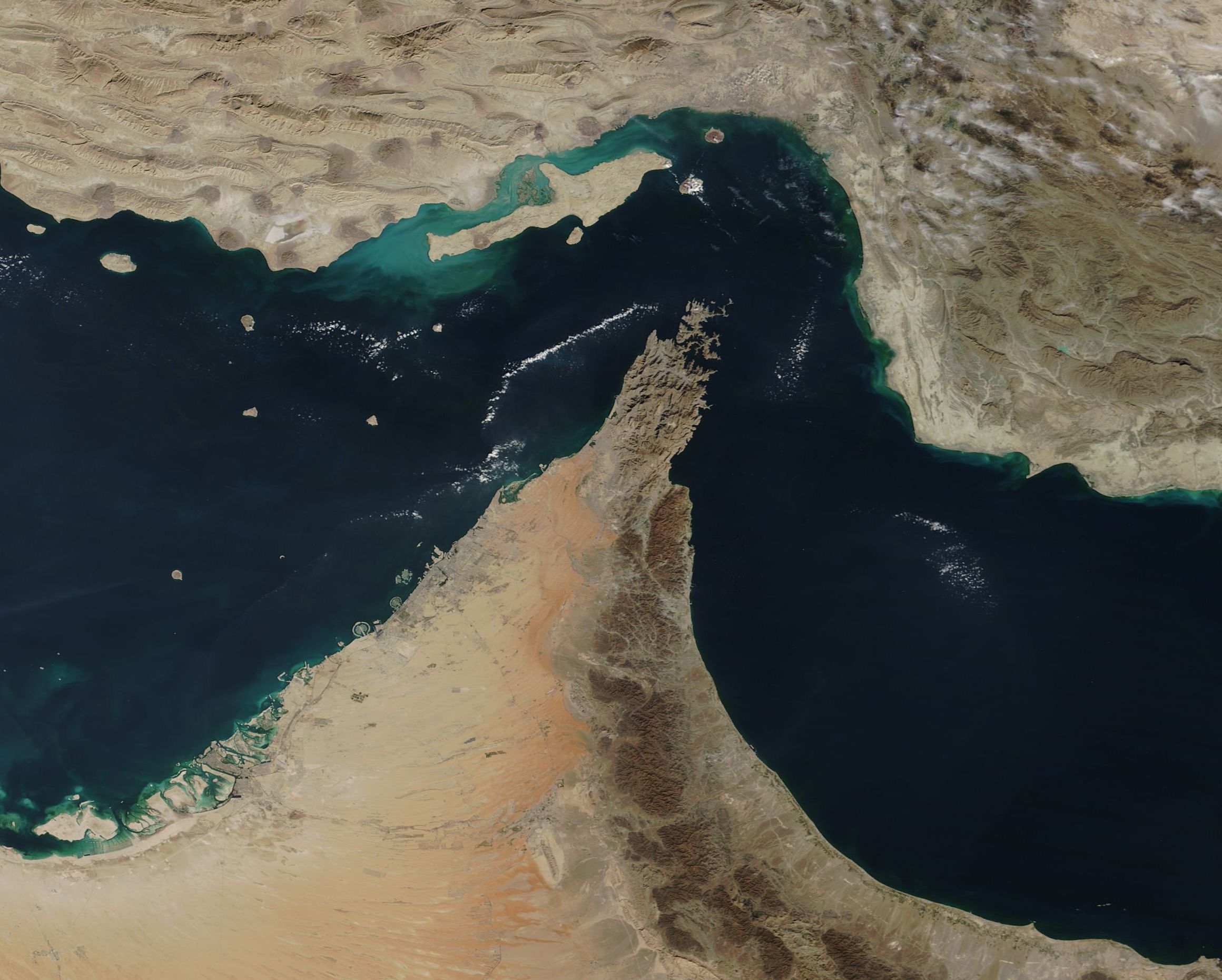
Hong Kong-based maritime security firm Sinoguards announced that Iranian forces took its vessel Hui Chuan into Iranian waters on Thursday at the entrance of the Strait of Hormuz. The incident was first reported by British naval group UKMTO, which issued an alert that a commercial ship had been apprehended by unauthorized personnel. Two maritime security consultants confirmed the vessel is one of a handful of so-called floating armories operating in the region.
Sinoguards stated the vessel is undergoing documentation and compliance inspection in Iranian waters. The company described the ship as an offshore work platform vessel but did not respond to Bloomberg's question about whether it was a floating armory. Built in 1984 and flying a Honduras flag, the Hui Chuan is officially classified as a fishery research vessel. According to Sinoguards' website, the company provides security services, including armed guards, for vessels transiting risky waters such as the Indian Ocean.
It remains unclear why Iran has seized the vessel. On Thursday, Tehran authorities stated that Chinese ships were allowed to cross Hormuz, suggesting cooperation between the two nations. China has long been the biggest buyer of Iranian oil. Sinoguards said it is cooperating fully with appropriate authorities and has submitted the requested vessel and crew documentation. The company added there is no indication the crew has been injured.
Vessel-based armories (VBAs), as ships like the Hui Chuan are known, store firearms in international waters as part of the security services they offer. These vessels also serve as rest points for personnel employed by private military and security companies, where they can wait to embark and disembark ships. There are no rules on what type of vessels can function as VBAs. One of Sinoguards' permanent bases is in Fujairah, a key United Arab Emirates port outside the strait in the Gulf of Oman.
Established in 2013 according to its website, Sinoguards focuses on recruiting ex-service personnel from Ukraine and Nepal. The company describes itself as a neutral entity with no ties to governments or armed forces. A Greek-operated tanker sailed from the Gulf to India on Friday after crossing the Strait of Hormuz, becoming one of the few crude sailings through the waterway this week, according to ship tracking data.
Key Takeaways:
1. Iranian forces seized the Hui Chuan, a vessel owned by Hong Kong-based Sinoguards, at the entrance of the Strait of Hormuz.
2. The Hui Chuan is known as one of the few floating armory vessels operating in the region.
3. The vessel is undergoing documentation and compliance inspection in Iranian waters; the crew was not injured.
4. Sinoguards provides armed guard services for vessels transiting risky waters such as the Indian Ocean.
5. The reason for Iran's seizure remains unclear, though Tehran had previously stated Chinese ships were allowed to cross Hormuz.

