

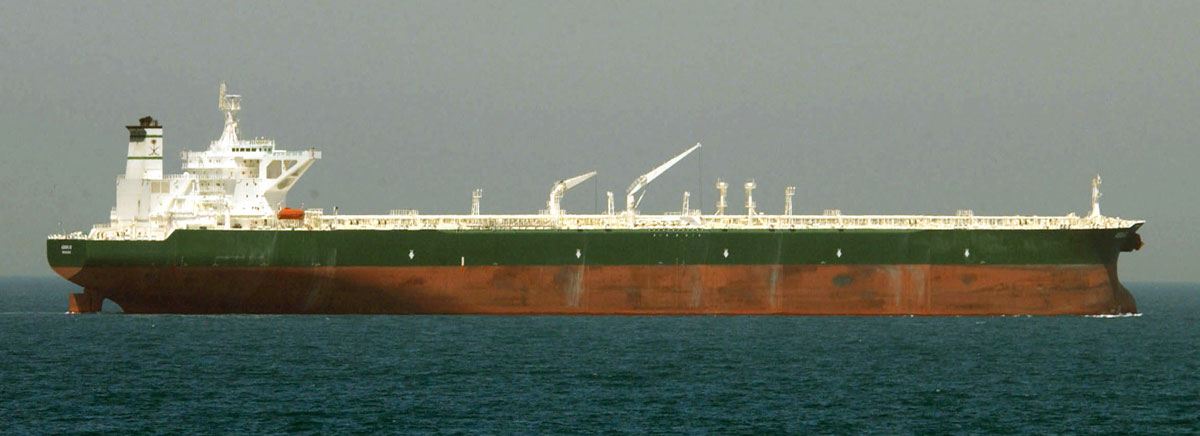
A Greek-operated Suezmax tanker Karolos, flagged in Liberia, sailed toward India on Friday after crossing the Strait of Hormuz in one of the few crude oil sailings through the waterway this week, ship tracking data showed. The vessel, which can carry a maximum of 1 million barrels of oil, was sailing toward the western India port of Sikka on Friday after crossing the strait on May 14, according to analysis from Kpler. The vessel was at maximum load after calling at Basra oil terminal on May 10, Kpler analysis showed.
The U.S.-Israeli war on Iran has led to the effective closure of the strait since it began on February 28, stranding hundreds of ships and causing unprecedented disruption of energy supplies. Before the war began, the Strait of Hormuz was the conduit for 20% of the world's energy supplies, equating to 125 to 140 daily passages. Satellite analysis from data analytics specialists SynMax found the vessel's draft had increased on May 14, indicating it had taken on cargo. Dynacom, Karolos' Greek-based manager, which has been one of the salient Greek players to ship oil through the strait after the war began, did not immediately respond to a request for comment.
Separately, a Panama-flagged crude oil tanker managed by Japanese refining group Eneos passed through the strait, according to ship-tracking data from LSEG on Thursday. Nine ships crossed into the Gulf of Oman via Hormuz over the last 24 hours and were mainly small cargo or dry bulk ships bound for Iran, according to SynMax data. Seven separate ships, including two oil products tankers from Gulf ports, left Hormuz mainly for locations on the other side of the Gulf around Oman. Traffic passing through the waterway was around 10 vessels on Thursday.
Iran's state TV said on Friday that 30 ships crossed the strait on Thursday in both directions and that number was "set to accelerate." U.S. President Donald Trump said his patience with Iran was running out and that Chinese President Xi Jinping had agreed during their talks in Beijing that Tehran must reopen the strait. The Marshall Islands shipping registry, among the world's biggest flag states, said this week that threat levels for merchant vessels remained at their highest levels in the region.
"More than 20,000 seafarers remain trapped inside the Strait of Hormuz, facing fear and uncertainty, cut off from their families, and in many cases running short of food, water and fuel," leading maritime union, the International Transport Workers' Federation, said separately this week. Concerns have mounted over the vessels and their crew trapped in the strait.
Key Takeaways:
1. The Liberia-flagged tanker Karolos, operated by Greek firm Dynacom, crossed the Strait of Hormuz on May 14 and sailed toward India.
2. Karolos is sailing to India's Sikka port at maximum load after calling at Basra oil terminal on May 10.
3. The U.S.-Israeli war on Iran has led to the effective closure of the strait, stranding hundreds of ships and causing unprecedented energy supply disruptions.
4. Before the war, the Strait of Hormuz was the conduit for 20% of global energy supplies, with 125 to 140 daily passages.
5. More than 20,000 seafarers remain trapped in the strait, with many running short of food, water, and fuel.
[1]

