

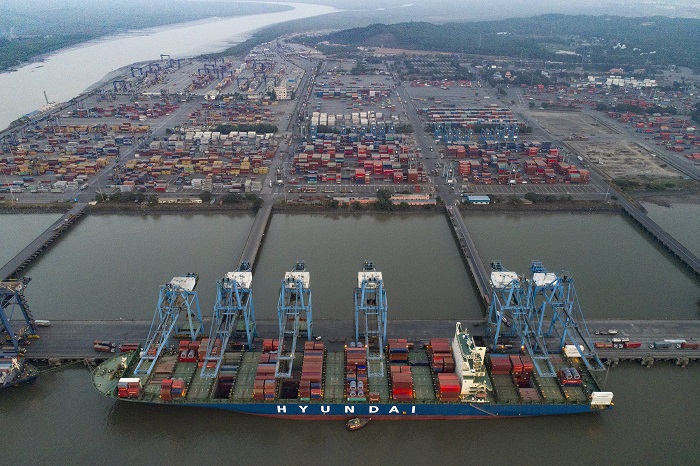
India's largest container ports, Nhava Sheva and Mundra, are facing severe operational challenges due to rising container dwell times. Carrier sources have reported an average berthing delay of two days for regular services and up to five days for ad-hoc vessel calls at both ports. The core issue has been identified as inadequate drayage capacity.
Extended container stays at terminal yards are reducing port operational efficiency and negatively impacting vessel traffic. Nhava Sheva (also known as Jawaharlal Nehru Port Trust - JNPT) and Mundra Port handle a significant portion of India's total container volume. Operational disruptions at these two ports create direct bottlenecks in the country's foreign trade logistics.
Industry officials emphasize that while terminal capacity remains sufficient, the inability to move containers in a timely manner constitutes the primary problem. Truck driver shortages and inadequate local transportation infrastructure have led to container accumulation at terminal yards. This situation disrupts shipping lines' berthing schedules and generates additional costs.
The Indian government and port authorities are taking steps to increase drayage capacity to address the problem. However, in the short term, these delays continue to slow supply chain flows and increase transportation costs. The issues are expected to intensify during peak season periods.
Carriers and freight forwarders are notifying customers of potential delays and working on alternative port routing and planning strategies. Overcoming this operational bottleneck in India's container logistics sector is critical for strengthening the country's position in the global supply chain.
Key Takeaways:
1. Nhava Sheva and Mundra ports are experiencing average berthing delays of two days for regular services and up to five days for ad-hoc calls.
2. Inadequate drayage capacity and truck driver shortages are causing container accumulation at terminal yards.
3. Rising dwell times are disrupting vessel traffic and increasing transportation costs.
4. Terminal capacity remains sufficient, but land transportation infrastructure is inadequate.
5. Indian government and port authorities are taking steps to increase drayage capacity, but short-term challenges persist.
[6220540]

