

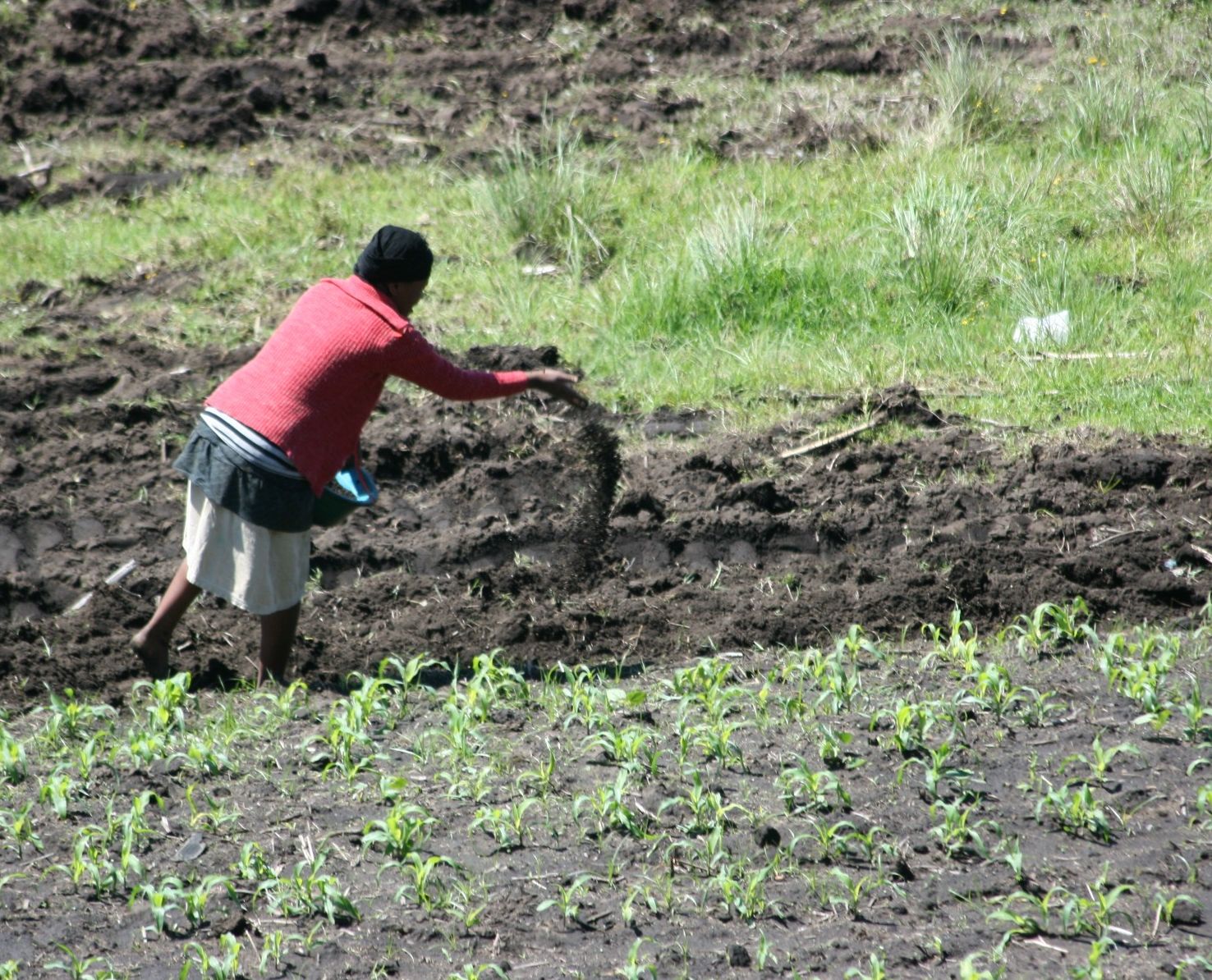
Landlocked countries with geographic disadvantages like Malawi face the heaviest consequences of the global supply chain crisis triggered by tensions at the Strait of Hormuz. The effective closure of the strait due to US and Israeli operations against Iran has severely disrupted both fuel and fertilizer supplies. In Malawi, where the bulk of the 22 million population consists of small-scale farmers, the challenge of finding fertilizer ahead of the planting season has reached critical levels.
Yashodhan Gharat, Malawi country director at One Acre Fund, stated that this year's biggest worry is not price but availability. The nonprofit, which supports farmers across 10 African countries, questions whether fertilizer will reach small markets like Malawi when everyone is searching for it. About a third of global urea exports, 20% of ammonia exports, and a fifth of phosphate fertilizer shipments move through the strait from Qatar, Saudi Arabia, Iran, and the UAE.
The price of urea, the most widely used nitrogen fertilizer, has surged more than 90% as Hormuz remains blocked. According to UN Food and Agriculture Organization data, Malawi sources nearly 60% of its nitrogen fertilizer imports from Gulf countries, making it one of the world's most reliant nations. Ashish Lakhotia, head of agricultural inputs at commodities trader ETG Group, reported that cargoes his company ordered have been canceled or diverted, while China is curbing exports to ensure domestic supply.
Farmers in West African countries including Nigeria, Senegal, and Ghana face similar challenges. Gideon Idika, an agricultural support officer in Nigeria's southeastern Abia State, noted that farmers are skipping fertilizers due to rising costs, which will result in poor harvests. In Thies, Senegal, vegetable farmer Ngoaye Diop said he could not obtain good-quality fertilizer and is working with what he can afford rather than what he would normally use.
Nana-Aisha Mohammed, regional director for the African Fertilizer and Agribusiness Partnership, emphasized that most suppliers across Ghana are struggling to import fertilizer due to shortages or longer arrival times. The situation is more critical in Malawi, which has already suffered repeated food shortages due to droughts, floods, and cyclones: between October and March, 22% of Malawians experienced acute food insecurity. According to a report by the Africa Network of Agricultural Policy Research Institutes, fertilizer producers outside the Gulf are adjusting export strategies and prioritizing markets with stronger payment capacity.
Key Takeaways:
1. The closure of the Strait of Hormuz has caused global urea prices to surge over 90% with severe supply disruptions.
2. Malawi sources 60% of its nitrogen fertilizer imports from Gulf countries and remains one of Africa's most vulnerable nations.
3. Farmers in Nigeria, Senegal, and Ghana struggle to find fertilizer or skip it entirely due to rising costs.
4. More than half of Africa's 1.3 billion population depends on agriculture while low fertilizer use already threatens soil fertility.
5. Fertilizer producers outside the Gulf are prioritizing markets with stronger payment capacity, leaving small markets like Malawi underserved.

