

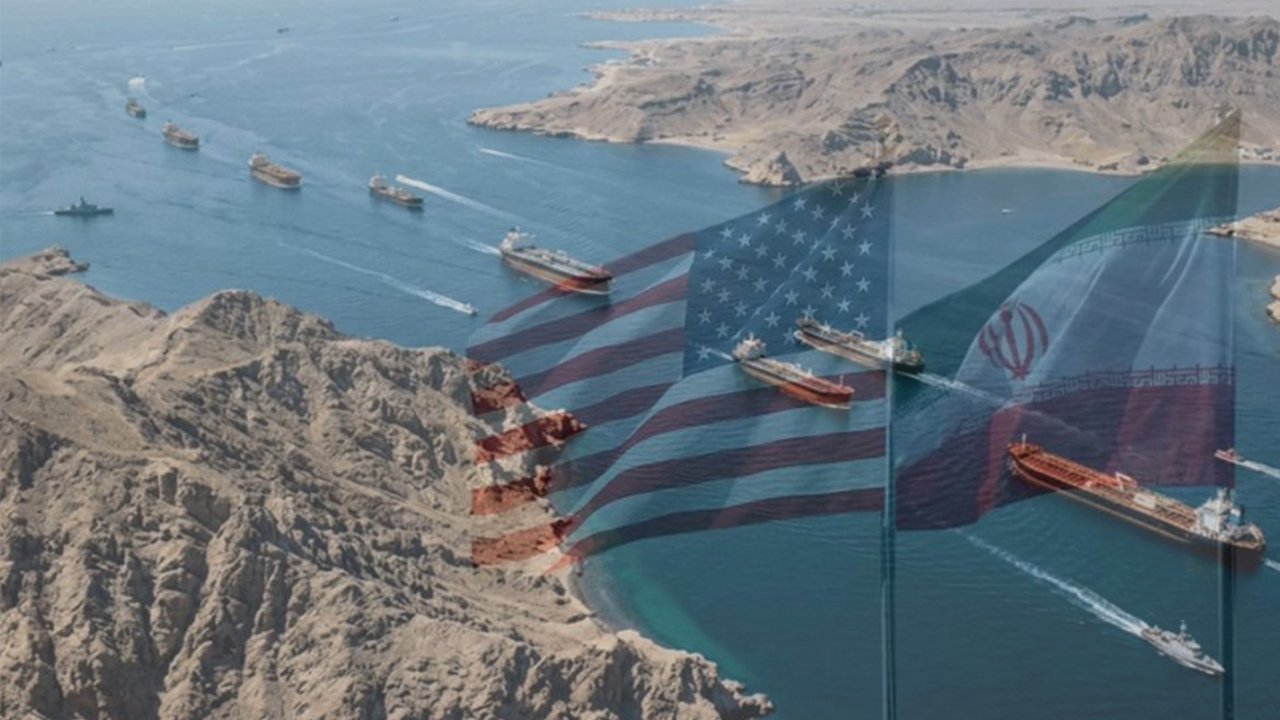
The Iranian press reported that Tehran has rejected the United States' offer to end the war. According to reports on official Iranian state television as relayed by 7deniz Haber, Tehran labelled the U.S. proposal as “surrender” and instead put forward three core demands: payment of war reparations by the U.S. to Iran, recognition of Iranian sovereignty over the Strait of Hormuz and a reduction of U.S. military presence in the region. The framing eliminates near-term hopes of softening the Hormuz blockade in force since 13 April 2026 through diplomatic channels.
Iran's use of the term “sovereignty” is technically critical for the sector: the Strait of Hormuz holds the status of an international strait under UNCLOS, meaning the right of innocent passage is open to vessels of all flags, and Iran's authority to unilaterally restrict the international right of navigation through the strait is contested under the existing legal framework. By advancing this demand, Tehran is signalling an intent to change the legal underpinning of the blockade — in the short term, while de-facto enforcement continues through coast-to-sea missiles, drones and kamikaze USVs, the negotiating axis is shifting toward conferring legal legitimacy on the de-facto state.
On the supply chain side, three direct effects stand out from this rejection. First, tanker war-risk premiums stay around 2.8% of contract value or harden further; the Cape of Good Hope rerouting becomes a more durable scenario for VLCC, LR2, LNG and container tonnage. Second, the 70+ tanker blockade announced by CENTCOM (≈166m barrels, ≈$13bn cargo value) — already forcing crude flows to a halt — could turn into a lasting Brent + jet fuel + petrochemical supply squeeze if talks remain stalled. Third, regulator-side flexibilities such as the European Commission's 8 May clarification on Jet A jet fuel are likely to extend to other commodities (LPG, LNG, kerosene, marine fuel / fuel oil) in the coming weeks. The closure of negotiating channels can also be read as a clear indication that the fragile February 2026 ceasefire is effectively over.
Key Takeaways:
1. Iranian state television (per 7deniz Haber): Tehran rejected the U.S. war-ending offer, labelling it 'surrender'.
2. Tehran's three demands: war reparations from the U.S. to Iran, recognition of Iranian sovereignty over the Strait of Hormuz, and reduction of U.S. military presence in the region.
3. Hormuz is an international strait under UNCLOS; Iran's 'sovereignty' framing aims to change the legal underpinning of the blockade.
4. Supply chain impact: war-risk premiums hold around 2.8% or harden; Cape of Good Hope rerouting becomes durable for VLCC/LR2/LNG/container; the 70+ tanker (166m barrels / $13bn) blockade may extend.
5. Coming weeks: regulator-side flexibilities such as the EU's Jet A clarification likely to extend to LPG/LNG/kerosene/fuel oil; the February 2026 ceasefire reads as effectively over.

