

The United States and Iran are reported to be approaching agreement on a one-page memorandum to end the war, according to U.S. press accounts citing senior officials on the morning of 7 May 2026. The text focuses on two objectives: halting the hot conflict and then drawing a new framework for nuclear talks. Iran's Foreign Ministry stated the proposal is "under review." The move follows Iranian Spokesperson Baghaei's 14-article proposal via Pakistan on 3 May and Donald Trump's decision on 6 May to halt the Strait of Hormuz Freedom Project escort operation; the three-stage diplomatic timeline now centers on a one-page text + 30-day window.
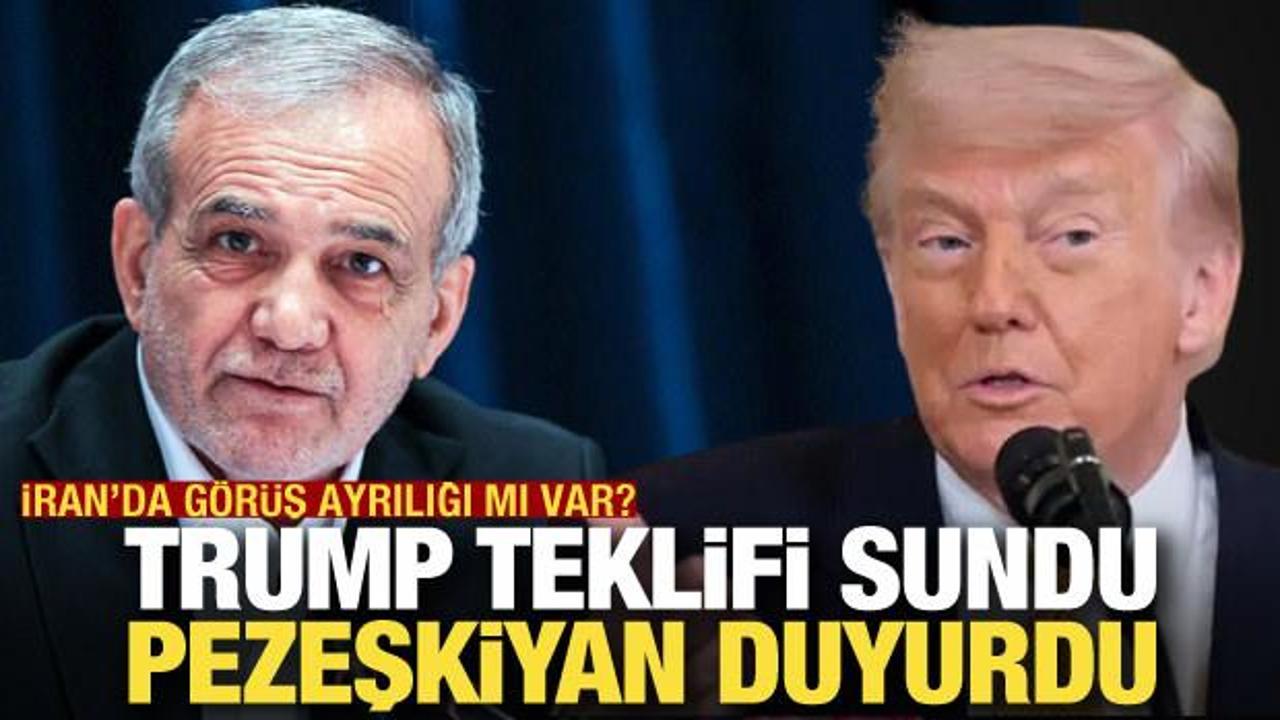
Iranian President Masoud Pezeshkian spoke after a phone call yesterday with French President Emmanuel Macron. Pezeshkian foregrounded distrust of the United States, attributing this distrust to "hostile initiatives" and recalling that Iran was attacked twice during prior negotiations. Pezeshkian emphasized that, within the framework of international law and rules, the rights of the Iranian people must be secured and that Iran is ready to seriously pursue diplomatic avenues to end the war. Coming after Macron's 4 May Strait of Hormuz statement, the call seeks to consolidate Europe's mediator footing.
Mixed signals out of Iran raised the question of whether the leadership shares internal consensus. Per the semi-official Tasnim News Agency, Haji Mirzaei stated, "There is no disagreement between President Pezeshkian and the Revolutionary Guard commanders. In all meetings attended by the commanders and the President, every decision has been taken unanimously." The remark signals that the IRGC is not opening an internal opposition line against the civilian government in the negotiation process — a parameter the market watches closely on the nuclear framework and Strait of Hormuz mine files.
From a supply chain perspective, the memorandum is critical along four axes. First, the one-page structure — unlike Iran's 14-article package, it is built for fast resolution; P&I insurance premiums and the Brent geopolitical premium could break lower within a week. Second, because the nuclear framework remains a separate file, JCPOA / E3 snapback risk persists in market pricing — UNSCR 2231 snapback probability does not automatically clear with a hot-conflict pause. Third, the Pezeshkian-Macron call adds Europe to the U.S.-Pakistan-Iran triangle, validating a multi-channel mediation architecture; this provides diplomatic redundancy against any single-channel collapse. Fourth, the IRGC internal-unity signal — if Tasnim's reading holds, the risk of unilateral escalation in maritime operations declines; that translates into a directly positive read for the supply security of the 17 million barrels per day transiting the Strait of Hormuz.
Key Takeaways:
1. The U.S. and Iran are reported to be approaching agreement on a one-page memorandum to end the war.
2. The one-page text aims to halt the hot conflict and draw a new framework for nuclear talks.
3. Iran's Foreign Ministry says the proposal is under review; a decision is awaited.
4. After his call with Macron, Pezeshkian stressed readiness for a diplomatic resolution while reiterating distrust of the U.S.
5. Via Tasnim, Haji Mirzaei: there is no disagreement between the President and the Revolutionary Guard commanders; decisions are taken unanimously.
6. The move follows Iran's 14-article proposal (3 May) and Trump's halt to the Strait of Hormuz Freedom Project (6 May), forming the third diplomatic stage.

