

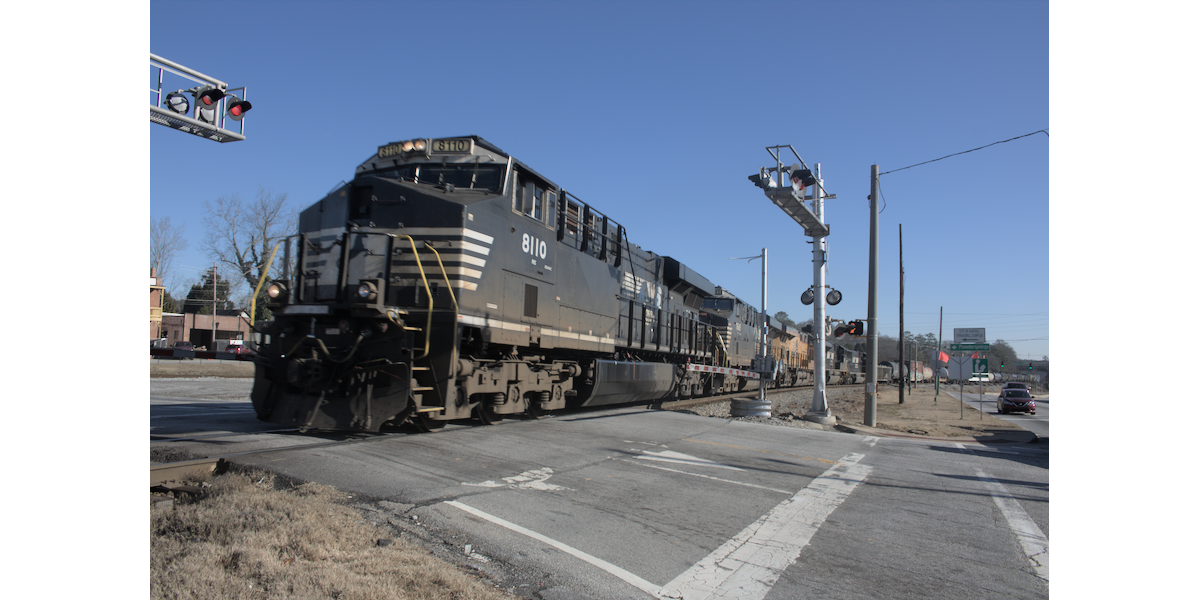
A new coalition of US industry groups, labor organizations and rival railroads has launched a coordinated campaign against the proposed merger between Union Pacific (UP) and Norfolk Southern (NS). Announced as the Stop the Rail Merger Coalition, the group said in a press release that the deal would reshape the US freight rail system, concentrate market power and raise costs for businesses and consumers. The coalition argued that, if approved, the combined company would become the largest railroad in US history and would control nearly half of national rail traffic.
According to the announcement, the coalition joins more than 100 state and federal policymakers — including attorneys general and agriculture officials — who have raised concerns about the deal and urged regulators to block or reconsider it. A national poll commissioned by the coalition and conducted by McLaughlin & Associates found that, after learning of potential impacts, around 71% of Americans oppose the merger while about 20% support it. The poll also showed that most respondents expect the merger to raise shipping costs, drive up everyday consumer prices and negatively affect jobs; about 68% said any cost savings would not be passed on to customers, and roughly 54% said they would be more likely to back political candidates opposing the deal.
Zippy Duvall, President of the American Farm Bureau Federation, said farmers and ranchers depend heavily on rail service to move products to households nationwide and warned the deal would deepen consolidation and push costs higher. Mark Wallace, President of the Teamsters Rail Conference, said Union Pacific has not yet made the workforce commitments needed to maintain network reliability and called the merger of two Class I carriers without binding employment guarantees a gamble with the US supply chain. Chris Jahn, CEO of the American Chemistry Council, argued that US manufacturing competitiveness depends on rail-to-rail competition and reliable service, not a rail monopoly. Katie Farmer, CEO of BNSF Railway, said the deal is being driven by Wall Street on the promise of a large shareholder payout and would eliminate competition while destabilizing supply chains.
The coalition pointed to the 1996 Union Pacific–Southern Pacific merger as a historical reference, arguing that earlier commitments to preserve competition were not honored and resulted in service disruptions. "The lesson is simple: merger promises are easy to make, but hard to enforce once the damage is done," the coalition said. The proposed UP-NS merger will face review by the Surface Transportation Board (STB), which must decide whether the deal would enhance competition and improve rail service. On the supply chain side, Class I consolidation could affect agricultural export flows, chemical and petrochemical unit-train operations, automotive intermodal corridors and the port–inland rail economics balance. The coalition's launch sharpens the divide between the remaining two major competitors (BNSF and CSX) and large rail customers, signaling that the STB process will host one of the most intense lobbying battles in US freight rail history over the coming months.
Key Takeaways:
1. A newly formed 'Stop the Rail Merger Coalition' has launched a coordinated US campaign against the Union Pacific–Norfolk Southern merger.
2. The coalition warns the combined entity would be the largest US railroad ever, controlling nearly half of national rail traffic.
3. A McLaughlin & Associates poll shows 71% of Americans oppose the merger and 68% expect cost savings will not be passed on.
4. The American Farm Bureau, Teamsters Rail Conference, American Chemistry Council and BNSF (CEO Katie Farmer) are among the most prominent voices in the coalition.
5. The deal will face Surface Transportation Board (STB) review, with industry citing the 1996 UP–Southern Pacific merger and its service disruptions as a cautionary precedent.

