

Maersk confirms Alliance Fairfax exited the Strait of Hormuz under U.S. military escort as part of 'Project Freedom'
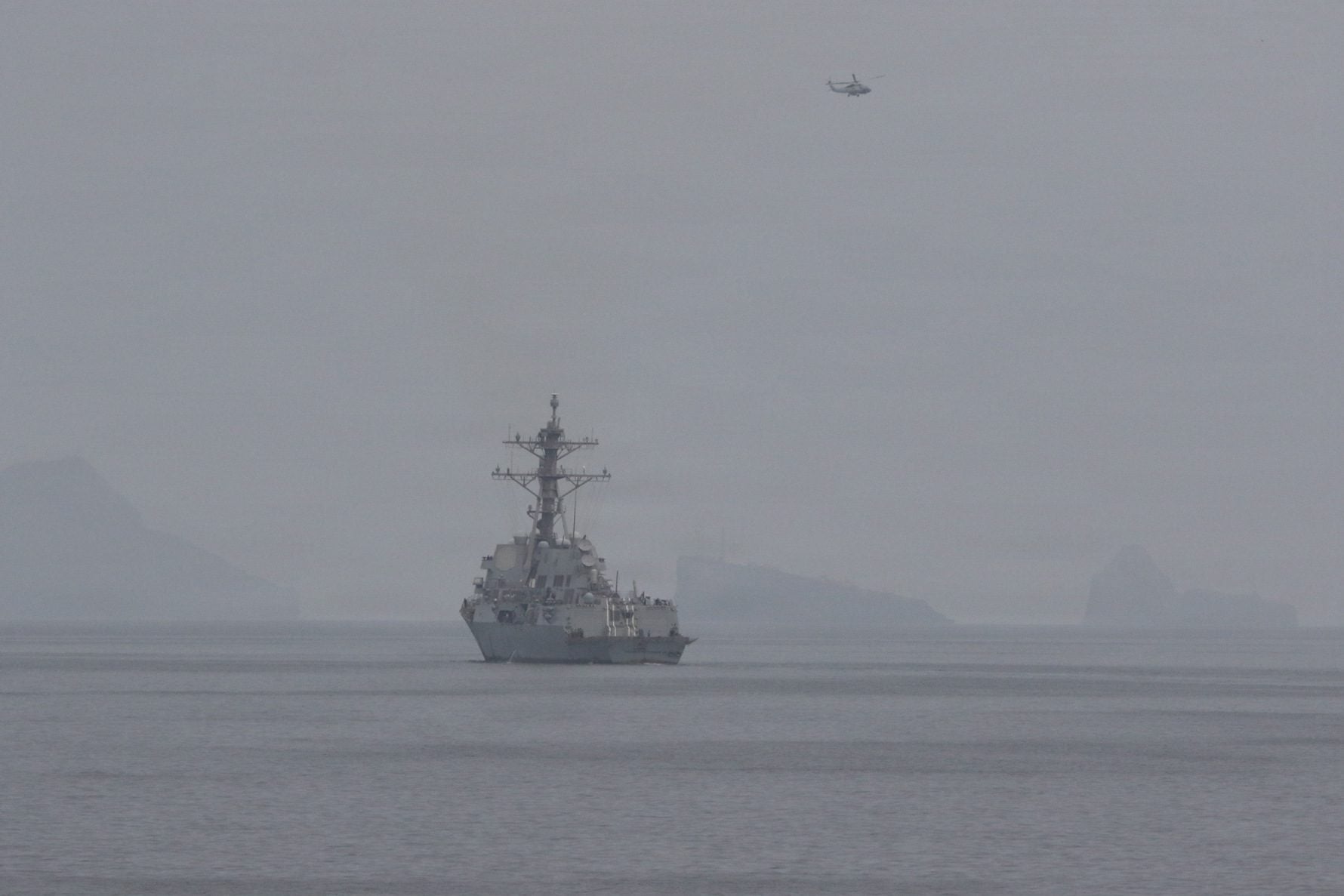
A.P. Moller-Maersk confirmed that one of the two U.S.-flagged ships transited through the Strait of Hormuz under U.S. military escort on Monday, May 4, was the U.S.-flagged roll-on/roll-off vessel Alliance Fairfax, operated by Farrell Lines, a subsidiary of Maersk Line Limited (MLL). The vessel exited the Persian Gulf safely "under U.S. military protection," the company said, with all crew safe and the transit completed without incident.
In a statement to gCaptain, MLL said it was contacted by the U.S. military and offered the opportunity for the vessel to exit the Gulf under military protection. After developing and coordinating a comprehensive security plan with the U.S. military, MLL's shore-side and shipboard leadership approved the transit. The vessel subsequently departed the Persian Gulf accompanied by U.S. military assets. The ship had been effectively stranded since the outbreak of the U.S.-Iran conflict in late February, when shipping through the strait largely collapsed amid missile, drone and mine threats.
The confirmation aligns with earlier U.S. CENTCOM claims that two American-flagged merchant vessels had transited the strait as part of the "Project Freedom" initiative. The identity of the second vessel has not yet been disclosed. Alliance Fairfax was among the five U.S.-flagged ships known to be in the Persian Gulf when the conflict began; all are enrolled in the Maritime Security Program (MSP) or the Tanker Security Program (TSP), two U.S. government-backed initiatives that maintain a commercially operated fleet for military logistics in times of crisis. Maersk said it looks forward to Alliance Fairfax returning to its normal commercial service.
Jakob Larsen, Chief Safety and Security Officer at BIMCO, said no formal details or guidance regarding Project Freedom have been issued to the broader shipping industry, raising questions about how the operation will function beyond isolated escorted transits. Larsen warned that without consent from Iran, the threat to ships cannot be reliably degraded and uncoordinated transits risk reigniting hostilities. He suggested the effort may amount to a limited operation aimed at extracting a small number of stranded vessels rather than restoring normal traffic. President Donald Trump announced the initiative on Sunday as a humanitarian mission to assist "neutral and innocent" ships running low on food and essential supplies.
The risk picture in the Strait remains intact despite the successful escort. The same day, the South Korean-operated, Panama-flagged dry cargo ship HMM Namu reported an explosion and engine-room fire while transiting the Strait; no casualties were reported and authorities are investigating whether the incident was the result of an attack. The episode is likely to reinforce industry concerns that conditions in the strait remain too dangerous for a broader return of commercial traffic, despite the successful U.S. transits. Alliance Fairfax's departure shows individual cases can be managed under Project Freedom; however, container, tanker and LNG-scale resumption will likely require minimum coordination with Tehran.
Key Takeaways:
1. U.S.-flagged ro-ro ship Alliance Fairfax, operated by Farrell Lines (a Maersk Line Limited subsidiary), exited the Strait of Hormuz under U.S. military escort on May 4.
2. The transit took place under Project Freedom and was one of the two U.S.-flagged transits announced by CENTCOM; the second vessel's identity has not been disclosed.
3. Alliance Fairfax was among the five U.S.-flagged MSP/TSP-enrolled ships stranded in the Persian Gulf since the U.S.-Iran conflict in late February.
4. BIMCO warned that uncoordinated transits could rekindle hostilities and Project Freedom may not be sufficient for broader commercial traffic.
5. An explosion and engine-room fire reported the same day on the Panama-flagged HMM Namu showed that risks for commercial traffic in the strait remain unchanged.

