

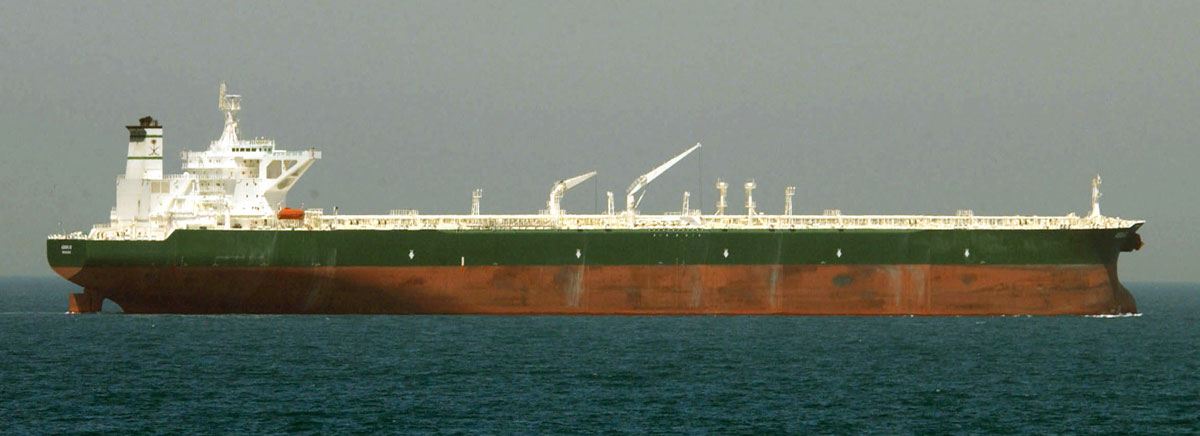
The Chinese-flagged supertanker Yuan Hua Hu transited the Strait of Hormuz on Wednesday, May 13, ending a standoff of more than two months. According to LSEG and Kpler ship-tracking data, the vessel is carrying 2 million barrels of Iraqi crude oil that had been stranded in the Gulf due to the U.S.-Iran war. The ship is now anchored off the Gulf of Oman, near where the U.S. Navy has established a blockade targeting Iranian vessels.
The crossing comes ahead of a meeting between U.S. President Donald Trump and Chinese President Xi Jinping scheduled for the next two days. It also follows the recent visit of Iranian Foreign Minister Abbas Araqchi to Beijing last week. This marks the third known transit by a Chinese oil tanker through the strait since the U.S.-Israeli war with Iran began on February 28, based on ship-tracking data.
The VLCC is owned and operated by COSCO Shipping Energy Transportation's Hainan unit and chartered by Unipec, the trading arm of Chinese state oil major Sinopec. The vessel loaded nearly 2 million barrels of Basrah Medium crude at Iraq's Basrah terminal in early March and has remained stranded inside the Gulf until now, according to tracking data. It is bound for Asia. Previously, Chinese-flagged VLCCs Cospearl Lake and He Rong Hai exited the strait on April 11.
Iran has appeared to tighten its control over the strait in recent days. According to sources with knowledge of the matter, Tehran has cut deals with Iraq and Pakistan to ship oil and liquefied natural gas from the region, a move that could help entrench its control over the strategic waterway. Other countries are exploring similar arrangements. Within the past 12 hours, a vehicle carrier, Xiang Jiang Kou, also sailed through the strait and broadcast a message on its AIS transponder saying "Chinese vessel and crew."
This development highlights how war-linked supply disruptions in the Middle East are impacting global energy security and underscores the growing importance of control over strategic maritime chokepoints. China's move in the energy supply chain demonstrates once again the direct impact of regional tensions on maritime trade.
Key Takeaways:
1. The Chinese-flagged VLCC Yuan Hua Hu transited the Strait of Hormuz on May 13 after being stranded in the Gulf for over two months.
2. The vessel is carrying 2 million barrels of Iraqi crude to Asia and is operated by COSCO Shipping.
3. This marks the third known passage by Chinese tankers through the strait since the U.S.-Iran war began.
4. Iran is strengthening its control over the Strait of Hormuz through deals with Iraq and Pakistan.
5. The transit occurred ahead of the Trump-Xi summit and following the Iranian Foreign Minister's Beijing visit.

