

Three Turkish-Linked Commercial Ships Targeted by Drones in the Black Sea: Medkon SIA, Kıran Marmara and Fethiye-M
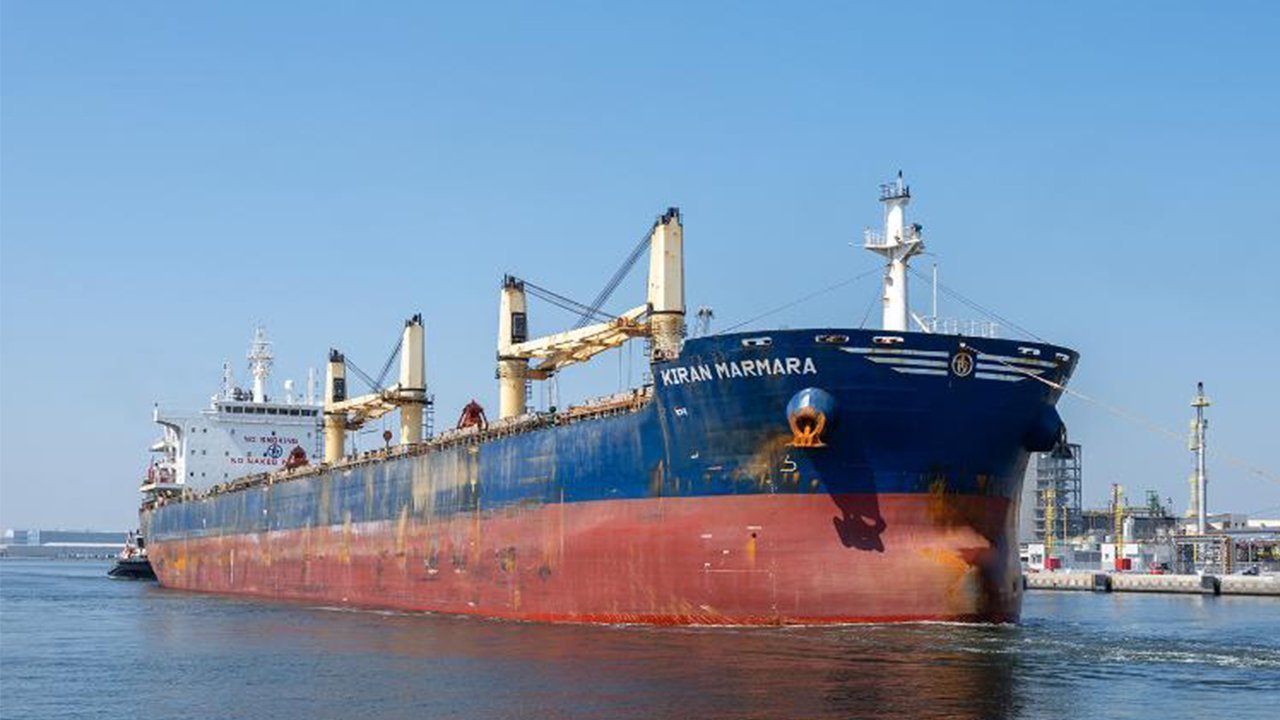
Three Turkish-linked commercial ships sailing in convoy to Ukrainian ports were hit by drone attacks in the Black Sea. According to information disclosed late on May 4, 2026, the targeted vessels are Medkon SIA, Kıran Marmara and Fethiye-M. The attacks reportedly took place while the ships were sailing in convoy formation toward Ukrainian ports. No verified casualty or serious-injury information has been released, but maritime authorities and sector representatives called for an urgent update of regional security protocols.
The targeting of commercial ships even in convoy formation while bound for Ukrainian ports indicates a clear escalation in the threat level facing commercial fleets on the Black Sea route. The nature of the strikes and the choice of targets are read as a sign that Black Sea operations — previously focused largely on military assets or shadow-fleet tankers — have now widened to include third-country-flagged or Turkish-linked merchant ships. Shipowners, operators and P&I insurance circles are following the events closely; Black Sea additional war-risk premiums and Joint War Committee (JWC) area listings are expected to be reviewed in the near term.
Experts highlight the need to reassess security protocols, particularly for vessels operating on Ukraine-linked services. All commercial fleets planning voyages in the area — most notably those under the Turkish flag or with Turkish operators — have been urged to update their risk assessments, tighten convoy arrangements and make better use of dedicated maritime security advisory services. Persistent geopolitical tension in the Black Sea continues to weigh on commercial shipping, and the latest attacks suggest that operational risks in the region are unlikely to ease in the short term.
On the supply-chain side, the incident deepens uncertainty over whether grain, steel products and general cargo flows will continue through the north-western Black Sea sector. Convoy patterns commonly used on the Constanța, Odessa, Chornomorsk and Yuzhne routes appear no longer to provide a sufficient protective layer. For Türkiye's export profile — automotive, apparel, white goods and agriculture-food — the Black Sea corridor remains a critical complementary route, while higher freight and insurance premiums add fresh pressure on the country's competitiveness.
Key Takeaways:
1. Three Turkish-linked commercial ships (Medkon SIA, Kıran Marmara, Fethiye-M) sailing in convoy to Ukrainian ports were hit by drones in the Black Sea.
2. The attacks were disclosed on the evening of May 4, 2026; no verified casualty or serious-injury information has been released.
3. Black Sea operations are seen as widening from military assets and shadow-fleet tankers to third-country-flagged merchant vessels.
4. Joint War Committee area listings and P&I additional war-risk premiums are expected to be reviewed in the near term.
5. Higher freight and insurance premiums on Türkiye's Black Sea export corridor add further pressure on the country's competitiveness.

