

IMO Net Zero Framework Survives MEPC 84 as U.S. Pushback Fails, Carbon Pricing Decision Slated for December
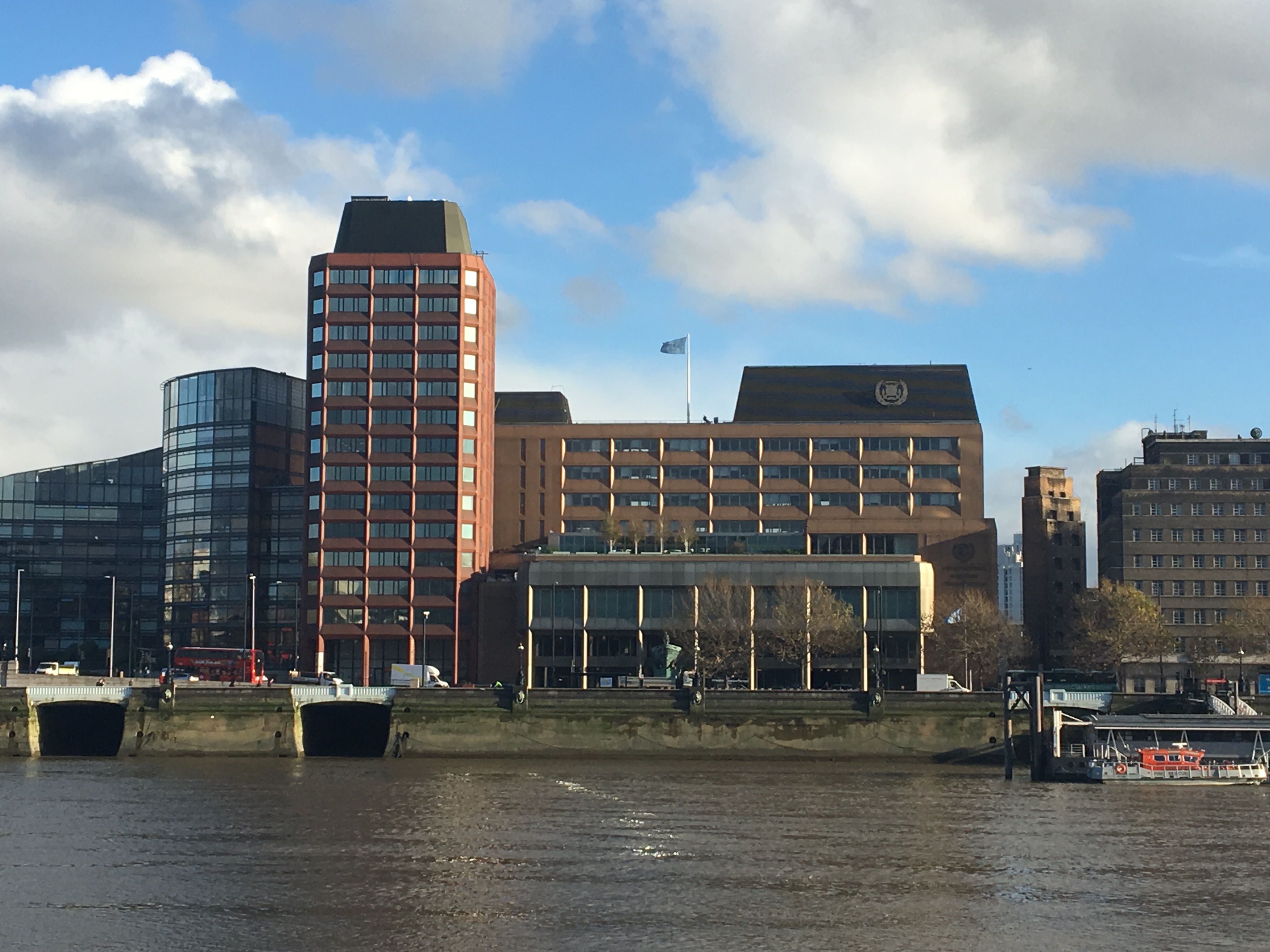
The International Maritime Organization (IMO) kept its landmark shipping climate framework alive at the close of MEPC 84 in London, with the IMO Net-Zero Framework (NZF) emerging intact as the sole agreed basis for continued negotiations. A coordinated push to weaken or reopen the proposal failed to dislodge the framework, and Secretary-General Arsenio Dominguez said talks were “back on track,” while warning that rebuilding trust among member states remains essential to securing a final deal.
The United States, building on remarks from Federal Maritime Commission Chair Laura DiBella, pressed countries to reconsider the framework, arguing it would impose broad costs on global supply chains and disproportionately impact consumers. The collapse never came. A broad coalition spanning the EU, the UK, Australia and Canada defended the NZF and its controversial carbon pricing mechanism. A similarly sized bloc—including the U.S., Saudi Arabia and the UAE—pushed proposals ranging from stripping carbon pricing entirely to weakening fuel standards that would extend fossil fuel use.
Faced with the impasse, delegates chose to advance rather than force a vote, keeping the NZF as the central negotiating text while letting alternative proposals stay under consideration. The next phase will run through intersessional talks in September and November, with a potential decision window in December. The International Chamber of Shipping Secretary-General Thomas A. Kazakos warned that a deal remains out of reach without further adjustments and that prolonged uncertainty risks delaying multibillion-dollar investment decisions tied to alternative fuels and new technologies.
MEPC 84 also delivered tangible regulatory outcomes beyond the carbon debate. The IMO approved a new Emission Control Area (ECA) in the Northeast Atlantic, tightening limits on sulphur oxides, nitrogen oxides, and particulate matter across European waters from 2028. The committee adopted a strategy targeting zero plastic waste discharges from ships by 2030, advanced work on a global code for transporting plastic pellets, and moved forward amendments on ballast water rules and underwater noise pollution. In a separate move tied to the wider geopolitical environment, the IMO adopted a resolution condemning attacks on commercial shipping in the Strait of Hormuz and warning of heightened risks of large-scale marine pollution from ongoing hostilities.
The debate is unfolding against a rapidly shifting global energy backdrop. The Middle East conflict has driven sharp volatility in bunker fuel prices, reinforcing arguments from framework supporters that a global system would deliver long-term cost stability and accelerate the shift to alternative fuels. Critics argue the opposite: that carbon pricing will raise costs and distort trade flows. MEPC 84 did not deliver the breakthrough some had hoped for, but it avoided the breakdown many feared. The next round of talks will determine whether the NZF becomes the world's first global carbon pricing system for an industry, or another casualty of geopolitical division.
Key Takeaways:
1. MEPC 84 preserved the Net-Zero Framework as the core negotiating text despite a U.S.-led pushback.
2. Carbon pricing remains in the framework; the final decision was deferred to December.
3. An EU-UK-Australia-Canada coalition defended the framework, while the U.S., Saudi Arabia and the UAE pushed weakening proposals.
4. The IMO approved a new Northeast Atlantic Emission Control Area, effective from 2028.
5. The committee also passed a resolution condemning attacks on shipping in the Strait of Hormuz and flagging large-scale pollution risks.

